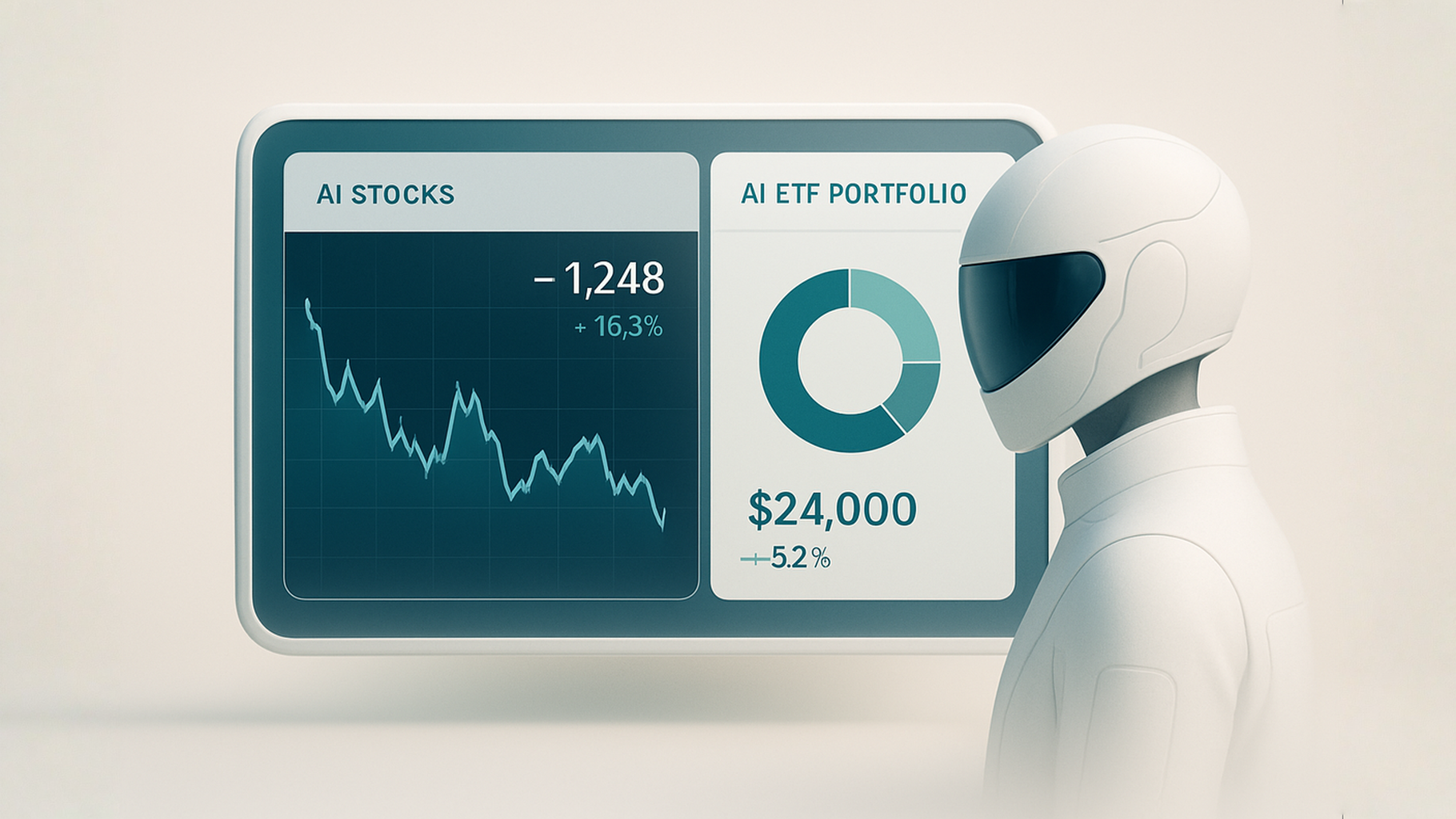

Artificial Intelligence continues to dominate headlines – but investors face a critical decision:
👉 Should you buy individual AI stocks?
👉 Or invest safely through AI ETFs?
Both strategies offer exposure to AI growth, but they behave very differently in terms of risk, volatility, and long-term performance.
This guide breaks it down clearly.
What Are AI Stocks?

AI stocks represent single companies involved in:
- Semiconductors
- Cloud AI
- Software platforms
- Robotics
- Data analytics
✔ Pros
- Higher upside potential
- Strong returns if chosen correctly
❌ Cons
- High risk
- Emotional volatility
- Requires deep research
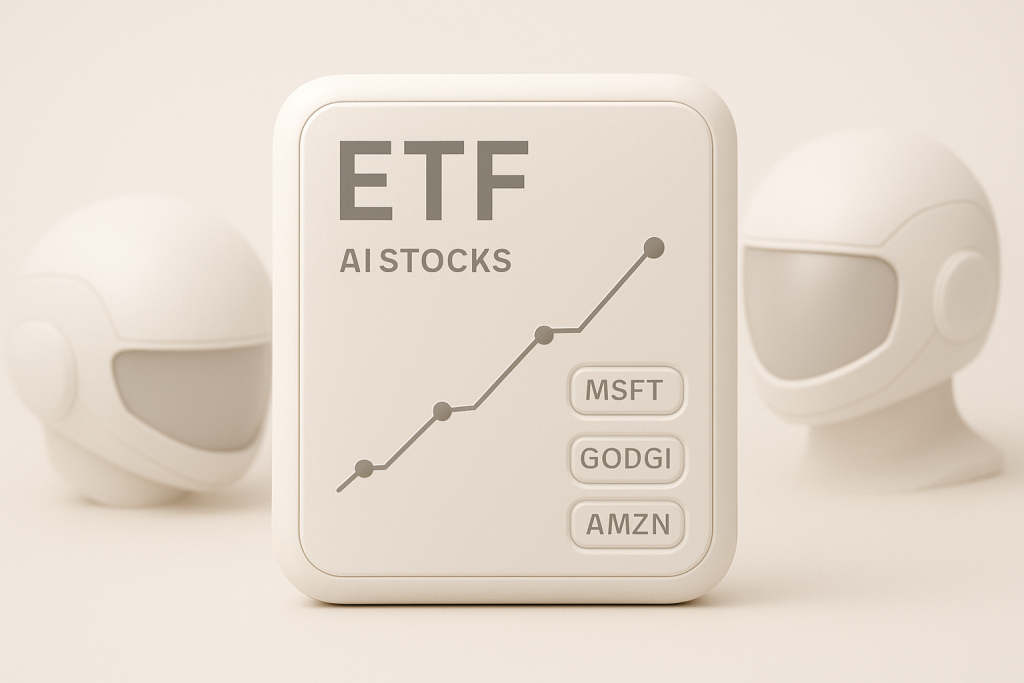
What Are AI ETFs?
✔ Pros
- Lower risk
- Built-in diversification
- Beginner-friendly
❌ Cons
- Lower upside than best individual stocks
AI Stocks vs AI ETFs — Side-by-Side Comparison
| Feature | AI Stocks | AI ETFs |
|---|---|---|
| Risk | High | Lower |
| Diversification | None | Built-in |
| Volatility | High | Moderate |
| Time Required | High | Low |
| Beginner Friendly | ❌ | ✅ |
| Long-Term Stability | ❌ | ✅ |
Which Strategy Is Better in 2026?
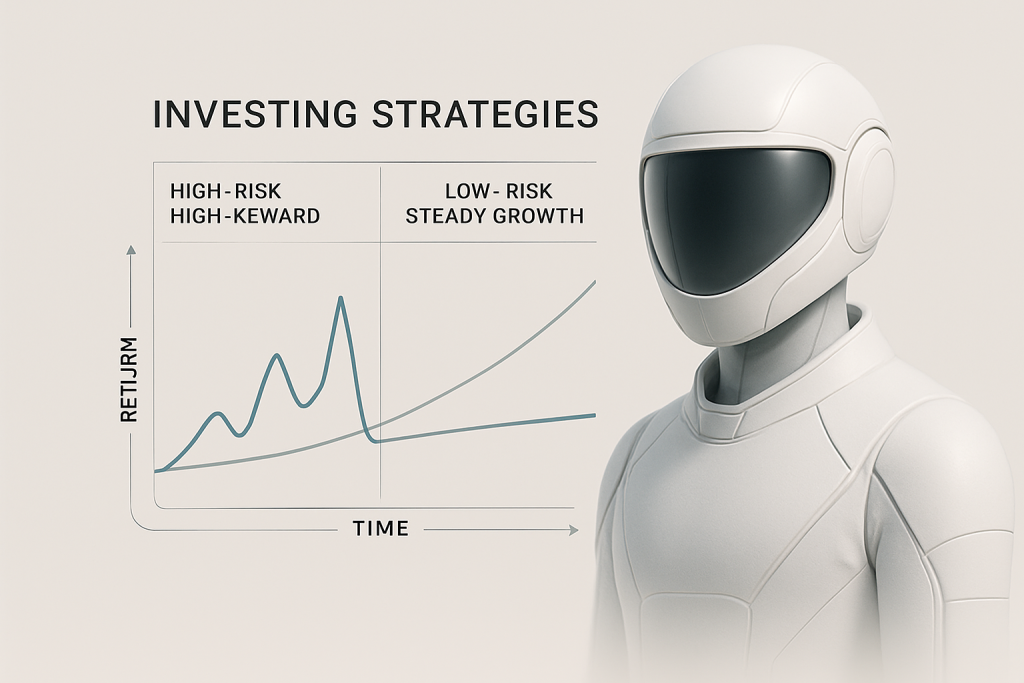
Choose AI Stocks if:
- You enjoy research
- You accept volatility
- You seek high growth
Choose AI ETFs if:
- You want safety
- You invest long-term
- You prefer stability
Combine Both
Many investors use:
- AI ETFs as a core holding
- AI stocks as a growth layer
This balances:
✔ Stability
✔ Upside potential
✔ Emotional control
FAQ – AI Stocks vs AI ETFs
Can AI stocks outperform AI ETFs?
Yes. Individual AI stocks can outperform ETFs if the selected company experiences strong growth. However, this requires accurate selection and carries higher risk.
Which is better for beginners?
AI ETFs are generally more beginner-friendly because they provide diversification and reduce the need to analyze individual company fundamentals.
Should I invest in both?
Many experienced investors combine both approaches, using ETFs for diversified exposure while selectively adding individual AI stocks for higher growth potential.