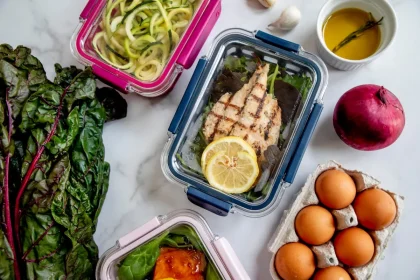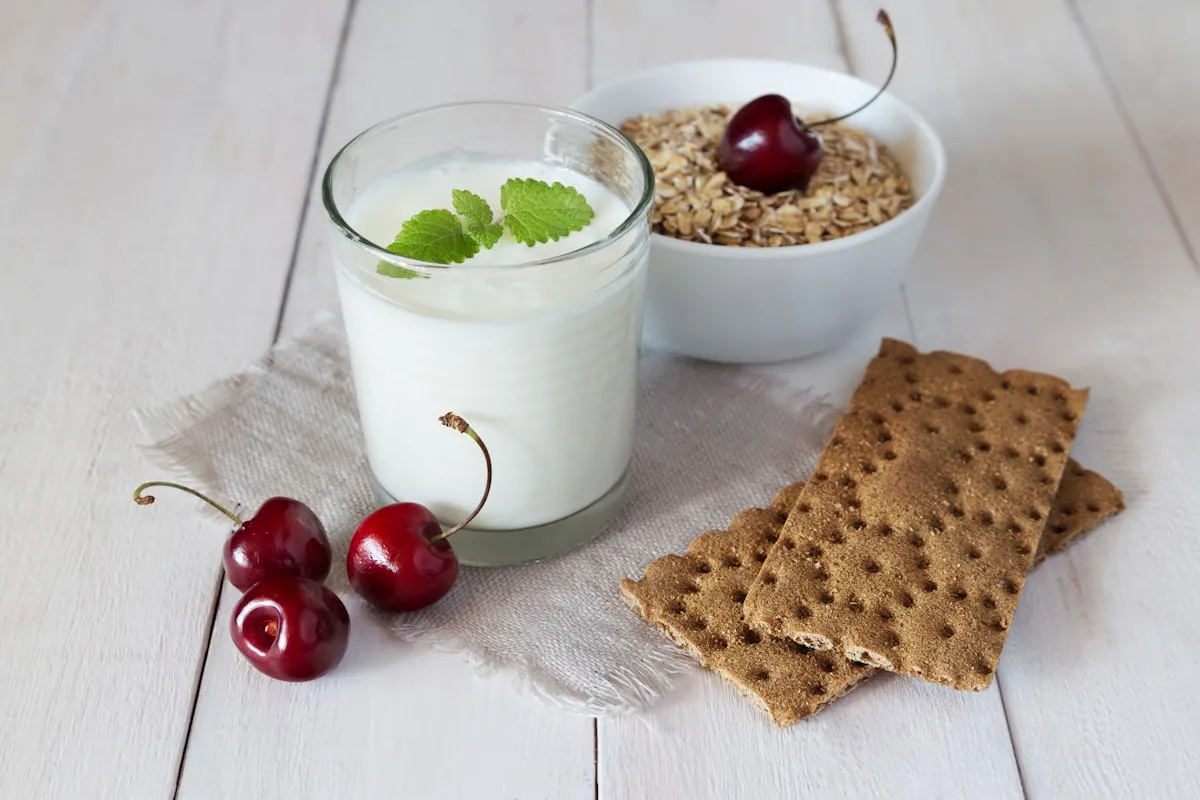

An anti-inflammatory diet is one that reduces inflammation. It’s not a strict plan, and you can mix it up depending on your taste. Whole grains, heart-healthy oils, and legumes are great year-round staples, while fruits and vegetables can change throughout the seasons. During the colder months, opt for root vegetables, such as sweet potatoes and turnips, or citrus fruits, such as oranges and lemons.
Many packaged foods contain trans fats and high glycemic indexes. Manufacturers are reducing the use of hydrogenated oils and are working on creating better tasting products. Unlike other diets, anti-inflammatory foods are relatively easy to find. The list below provides some suggestions, but it is not exhaustive. Try these foods and see which ones work best for you! The next time you’re in the grocery store, add a few more to your grocery list and you’ll be well on your way to eating healthier.
Another way to lower your glycemic index is to eat more fresh fruits and vegetables. Most of these foods are anti-inflammatory. Aim for a balance of fruit and vegetables. Berries are a particularly good choice for anti-inflammatory foods, and they grow in different parts of the US. Apples are also a good choice. Other anti-inflammatory foods include cauliflower, ginger, parsnips, and all kinds of lettuce.
When it comes to carbohydrates, whole grain bread and cereals are a good choice. A small amount of beans or whole grains can be added to your diet to increase the fiber content. Pulses are another good source of fiber. These foods are also high in magnesium, which helps fight inflammation. A few grams of pulses per day can help your body stay healthy. These foods are a good source of protein for your body. For a low-calorie, anti-inflammatory diet, be sure to avoid sugar and processed grains.
In addition to the above, fruits and vegetables are also good sources of anti-inflammatory foods. You can use them in your daily cooking as they are high in antioxidants and fiber. You can also add extra-virgin olive oil and seasonings to your meals. If you are planning to cook your own food, choose extra-virgin olive oil, which is less processed and has more nutrients. Turmeric and ginger have anti-inflammatory properties, so use them sparingly in your recipes.
Another anti-inflammatory food is tomato. The best vegetables are those that are high in antioxidants, as well as green leafy vegetables. These vegetables are also a good source of fiber. A good-quality protein should be the foundation of your meal. A protein-packed meal can help your body fight inflammation. And an omega-3 fatty acid-rich omega-3 fatty acid is a great addition to any anti-inflammatory diet.
Some other anti-inflammatory foods are black pepper and green tea. Both of these foods contain antioxidants, which help the body fight off disease. Flaxseeds can be sprinkled on cereal, blended into smoothies, and even added to salads. Garlic has a number of health benefits, including protecting against cell damage, lowering blood pressure, and fighting the common cold. They are an excellent source of anti-inflammatory foods and are great sources of fiber.
Anti-inflammatory foods are essential for heart health. They improve digestion and are free of harmful fats. Instead of regular mayo, use avocado mayo. A good anti-inflammatory dinner recipe is Joanna Gaines’ grilled salmon. While you’ll likely have to add a lot of extra ingredients to it, this soup is packed with nutrition. The Arthritis Foundation’s website offers recipes for anti-inflammatory food.
When planning an anti-inflammatory diet, you should consider how much of each food will be beneficial for you. A five-day meal plan is a great example of an anti-inflammatory diet, but it’s important to remember that you should modify it according to your tastes and preferences. A five-day meal plan may not work for you, but it’s a great start. Moreover, the dietary changes don’t have to be expensive. You can try these foods for free and use your budget to purchase them.
If you’re looking for an anti-inflammatory diet, make sure to include plenty of fruits and vegetables. These are not just good for you for their phytonutrients. They also reduce your risk of cancer. So, you’ll be reducing your risk of developing a disease by eating a diet that’s rich in anti-inflammatory foods. It’s not just about what you eat, but how you eat it.
Did you miss our previous article…
https://expertsguys.com/keep-the-beat-deliciously-healthy-dinners-from-the-food-network/