



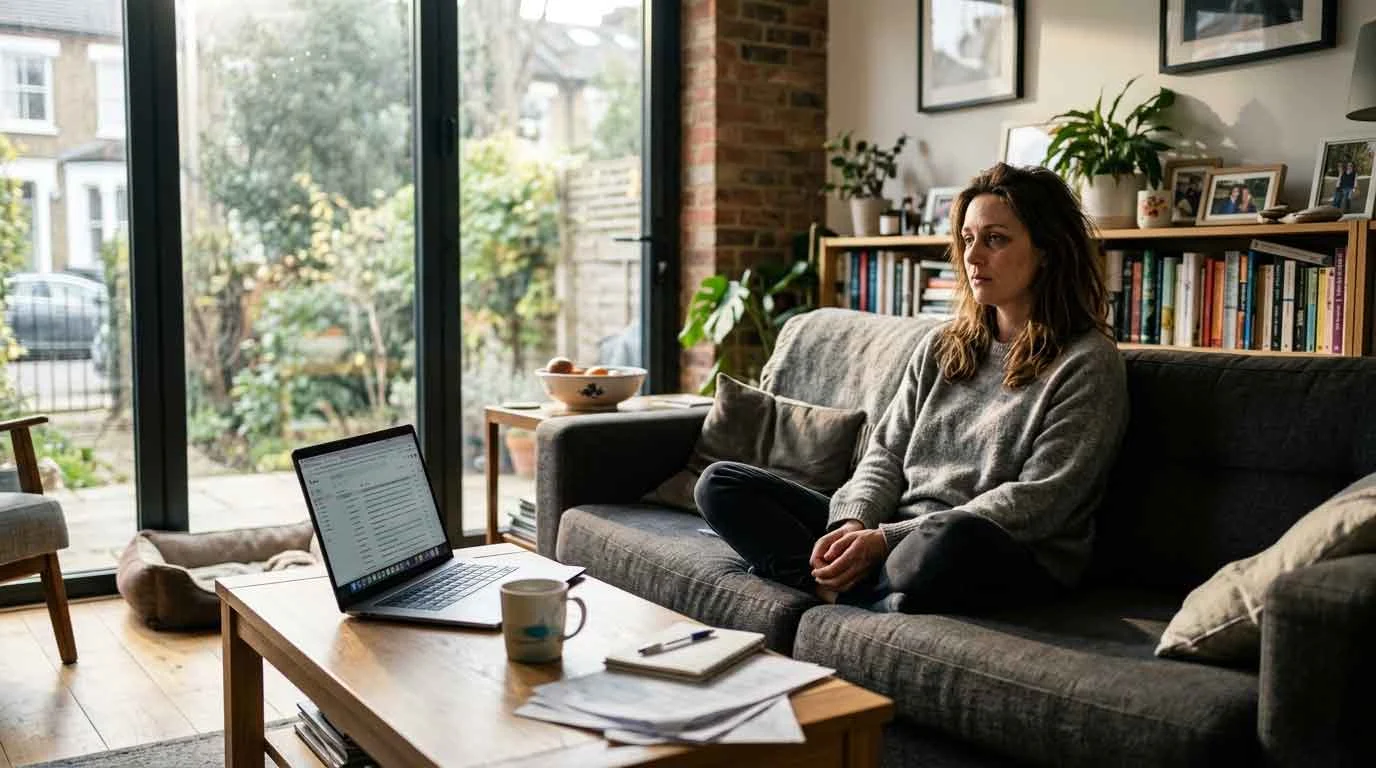

There is a common misconception that depression always looks dramatic.
People often imagine someone unable to get out of bed, unable to work, or unable to function in daily life. While major depression can certainly look that way, another form of depression often hides in plain sight.
Persistent Depressive Disorder (PDD), previously known as dysthymia, is a chronic mood disorder that can quietly influence your thoughts, emotions, relationships, productivity, and overall quality of life for years.
Many people with dysthymia continue working, maintaining relationships, and meeting responsibilities. From the outside, everything appears normal. Internally, however, they may feel emotionally exhausted, disconnected, unmotivated, or trapped in a cycle of low mood that never completely disappears.
The challenge is that when symptoms persist for years, they can begin to feel normal.
This article explores how persistent depressive disorder affects everyday life, why it is frequently overlooked, and what treatment and coping strategies can help improve long-term emotional well-being.
What Is Persistent Depressive Disorder (Dysthymia)?
Understanding the connection between depression symptoms and emotional health can help identify underlying factors that contribute to long-term mood disorders.
Persistent Depressive Disorder (PDD) is a chronic form of depression characterized by a depressed mood lasting for at least:
- Two years in adults
- One year in children and adolescents
Unlike major depressive disorder, symptoms may not always be severe enough to completely disrupt daily functioning. However, because the condition persists for extended periods, its cumulative impact can be significant.
Many people describe dysthymia as:
- Feeling emotionally flat
- Constant low-level sadness
- Lack of enthusiasm
- Reduced enjoyment in life
- Chronic pessimism
- Low self-esteem
- Persistent fatigue
The condition often develops gradually, making it difficult for individuals to recognize that what they are experiencing is not simply part of their personality.
Why Persistent Depressive Disorder Often Goes Unrecognized
One reason dysthymia is difficult to identify is that symptoms become part of daily life.
Instead of noticing a sudden change in mood, individuals may simply believe:
- “I’ve always been this way.”
- “I’m just a negative person.”
- “Life isn’t supposed to be enjoyable.”
- “Everyone feels like this.”
Over time, chronic low mood can become so familiar that it no longer feels unusual.
Friends, family members, and coworkers may also overlook the condition because the individual continues to function relatively well.
This creates a hidden burden where someone appears successful externally while struggling internally for years.
Common Symptoms of Persistent Depressive Disorder
Persistent Depression Self-Assessment Engine
This tool helps you reflect on long-term low mood, energy, motivation, self-esteem, social withdrawal, work function, and recovery readiness. It is not a diagnosis, but it can help you understand whether professional support may be worth considering.
' + '
' + level + '
' + '
' + message + '
', cardClass ); makeCard( 'Relationship Impact Score', '
' + '
This score reflects emotional withdrawal, self-critical thinking, and hopelessness patterns that may influence relationships.
' ); makeCard( 'Work Function Score', '
' + '
This score reflects how energy, motivation, and daily task performance may be affected by chronic low mood.
' ); makeCard( 'Recovery Readiness Score', '
' + '
This score estimates how much emotional capacity may be available for recovery habits such as therapy, routine building, exercise, sleep repair, and social support.
' ); makeCard( 'Suggested Next Steps', '
- ' + recommendation + '
' ); if (supportCard !== '') { makeCard( 'Find Professional Support Near You', supportCard ); } makeCard( 'Important Note', '
This tool is for educational reflection only. It is not a medical diagnosis, mental health assessment, or emergency service. If you feel at risk of harming yourself or others, contact emergency services or a crisis hotline in your country immediately.
' ); results.scrollIntoView({ behavior: 'smooth', block: 'start' }); return; document.getElementById('eg_pdd_results').style.display = 'block'; document.getElementById('eg_pdd_results').scrollIntoView({ behavior: 'smooth', block: 'start' }); }

Although symptoms vary between individuals, common signs include:
Ongoing Sadness
A lingering feeling of sadness or emptiness that remains present most days.
Low Energy
Persistent fatigue even after adequate rest.
Reduced Motivation
Difficulty initiating tasks or maintaining enthusiasm for activities.
Low Self-Esteem
A tendency toward self-criticism, self-doubt, and feelings of inadequacy.
Difficulty Concentrating
Problems with focus, decision-making, and mental clarity.
Sleep Disturbances
This may include:
- Insomnia
- Difficulty staying asleep
- Excessive sleeping
Appetite Changes
Some people experience reduced appetite, while others use food for emotional comfort.
Hopelessness
A chronic belief that things are unlikely to improve.
The Emotional Impact of Dysthymia
The emotional effects of persistent depressive disorder often extend beyond sadness.
Many individuals experience a gradual reduction in emotional range.
Difficulty Feeling Excitement
Events that once felt enjoyable may seem emotionally muted.
Examples include:
- Vacations
- Celebrations
- Hobbies
- Career achievements
Positive experiences may still be appreciated intellectually, but emotional satisfaction can feel reduced.
Chronic Self-Criticism
Persistent depressive disorder often reinforces negative self-talk patterns that gradually shape self-esteem and emotional resilience.
People with dysthymia frequently maintain an internal dialogue that is harsh and unforgiving.
Common thoughts include:
- “I’m not good enough.”
- “I’m falling behind.”
- “Everyone else is doing better.”
Over time, these thought patterns reinforce negative emotional states.
Reduced Emotional Resilience
Everyday setbacks may feel disproportionately difficult because emotional reserves are already depleted.
How Persistent Depressive Disorder Affects Relationships

Relationships are often among the first areas impacted by chronic depression.
Emotional Withdrawal
Individuals may withdraw from loved ones to avoid discussing their struggles.
Family members may misinterpret this behavior as:
- Disinterest
- Irritability
- Lack of affection
Communication Challenges
Dysthymia can reduce emotional energy, making communication more difficult.
People may struggle to:
- Express feelings
- Resolve conflicts
- Participate fully in conversations
Reduced Intimacy
Emotional connection often requires energy and vulnerability.
Chronic low mood may reduce both.
This can affect:
- Romantic relationships
- Friendships
- Family dynamics
Increased Relationship Stress
Partners and family members may not understand why someone appears distant despite having no obvious external problems.
This misunderstanding can create tension over time.
The Impact on Work and Career Performance

Many individuals struggling with imposter syndrome and dysthymia experience chronic self-doubt despite objective evidence of success.
Many people with persistent depressive disorder continue working successfully.
However, the condition often creates hidden challenges.
Lower Productivity
Tasks may require greater mental effort than usual.
Activities that once felt simple can become exhausting.
Difficulty Concentrating
Focus and decision-making may suffer, particularly during periods of increased stress.
Reduced Confidence
Employees may underestimate their abilities despite strong performance.
This often leads to:
- Imposter syndrome
- Fear of failure
- Excessive perfectionism
Career Stagnation
Some individuals avoid opportunities because they doubt their capabilities.
This can affect:
- Promotions
- Leadership roles
- Professional development
The Physical Effects of Persistent Depressive Disorder
Depression affects both the mind and body.
Many people experience physical symptoms such as:
Chronic Fatigue
One of the most common symptoms.
Even after sleeping, individuals may feel mentally and physically drained.
Headaches
Stress and emotional strain can contribute to recurring headaches.
Muscle Tension
Persistent emotional stress often increases muscle tightness throughout the body.
Digestive Issues
Research suggests a strong connection between mood disorders and gastrointestinal function.
Some individuals experience:
- Stomach discomfort
- Appetite changes
- Digestive irregularities
Reduced Physical Activity
Low motivation may lead to less exercise, which can further contribute to fatigue and emotional distress.
The Difference Between Dysthymia and Major Depression
Many people confuse persistent depressive disorder with major depressive disorder.
The two conditions share similarities but differ in important ways.
| Feature | Persistent Depressive Disorder | Major Depressive Disorder |
|---|---|---|
| Duration | At least 2 years | At least 2 weeks |
| Severity | Often milder but chronic | Usually more severe |
| Daily Functioning | Often maintained | Frequently impaired |
| Progression | Gradual and persistent | Can develop suddenly |
| Emotional Pattern | Long-term low mood | Intense depressive episodes |
Some individuals experience both conditions simultaneously, a situation sometimes referred to as “double depression.”
Why Early Treatment Matters
Because dysthymia develops slowly, many people postpone seeking help.
Unfortunately, untreated symptoms may become increasingly difficult to manage over time.
Early intervention can help:
- Improve quality of life
- Reduce symptom severity
- Strengthen relationships
- Improve work performance
- Lower the risk of major depressive episodes
Seeking help is not a sign of weakness.
It is often the first step toward regaining emotional balance and improving long-term well-being.
Effective Treatment Options for Persistent Depressive Disorder
Cognitive Behavioral Therapy (CBT)
CBT helps individuals identify and challenge negative thought patterns.
The goal is to replace automatic pessimistic thinking with more balanced and realistic perspectives.
Benefits include:
- Improved emotional regulation
- Better coping skills
- Increased self-awareness
Interpersonal Therapy (IPT)
IPT focuses on improving relationships and communication.
It can be particularly helpful when relationship stress contributes to depressive symptoms.
Medication
Some individuals benefit from antidepressant medications prescribed by a healthcare professional.
Medication may help regulate brain chemicals involved in mood regulation.
Treatment plans should always be discussed with a qualified medical provider.
Combined Treatment
Research frequently shows that combining therapy and medication can be highly effective for individuals with chronic depression.
Lifestyle Changes That Can Support Recovery
Professional treatment remains important, but healthy habits can also contribute to symptom management.
Regular Exercise
Physical activity promotes the release of mood-supporting neurotransmitters.
Even moderate exercise can improve emotional well-being.
Examples include:
- Walking
- Swimming
- Cycling
- Yoga
Consistent Sleep Habits
Maintaining a regular sleep schedule can improve mood stability and energy levels.
Balanced Nutrition
A healthy diet supports both physical and mental health.
Focus on:
- Fruits
- Vegetables
- Lean proteins
- Whole grains
- Healthy fats
Stress Management
Helpful techniques include:
- Meditation
- Deep breathing exercises
- Journaling
- Mindfulness practices
Social Support
Strong social connections can provide emotional support during difficult periods.
Even small interactions can help reduce feelings of isolation.
What Recovery From Dysthymia Actually Looks Like

Recovery is rarely a sudden transformation.
More often, it involves gradual improvements such as:
- Increased energy
- Better emotional resilience
- Greater enjoyment of daily activities
- Improved self-confidence
- Stronger relationships
Many people expect recovery to mean feeling happy every day.
A more realistic goal is developing the ability to experience a full range of emotions without being trapped in persistent sadness.
Progress may occur slowly, but meaningful improvement is possible.
When Should You Seek Professional Help?
Consider speaking with a healthcare professional if:
- Low mood has lasted for months or years
- Symptoms interfere with relationships
- Work performance is declining
- You feel hopeless frequently
- Daily activities no longer feel enjoyable
- Symptoms are becoming worse over time
You do not need to wait until symptoms become severe before seeking support.
Early treatment often leads to better outcomes.
If you have ever wondered why high achievers struggle with chronic self-doubt, understanding the overlap between dysthymia and imposter syndrome can provide valuable insight.
Conclusion
Persistent Depressive Disorder, or dysthymia, is more than simply “feeling down.”
It is a chronic mood disorder that can quietly affect nearly every area of life, including emotional health, relationships, career growth, physical well-being, and overall life satisfaction.
Because symptoms often develop gradually, many individuals fail to recognize the condition for years.
The encouraging news is that effective treatment options exist. Therapy, medication when appropriate, healthy lifestyle habits, and strong social support can all play important roles in recovery.
If you have been living with a constant sense of sadness, emotional numbness, or low motivation, remember that these feelings do not have to define your future.
Help is available, and improvement is possible.
Frequently Asked Questions
Can persistent depressive disorder go away on its own?
While some people may experience periods where symptoms improve, persistent depressive disorder is typically a long-term condition. Professional support can help reduce symptoms, improve quality of life, and prevent the condition from becoming more severe over time.
How long does persistent depressive disorder usually last?
Persistent depressive disorder is defined by a depressed mood that lasts for at least two years in adults and one year in children or adolescents. Without treatment, symptoms may continue for many years.
What is the difference between persistent depressive disorder and major depression?
Persistent depressive disorder usually involves a chronic low mood that lasts for years, while major depression often involves more intense symptoms that occur during distinct depressive episodes. Some individuals experience both conditions simultaneously.
Can someone with dysthymia still function normally at work?
Yes. Many people with dysthymia continue working, maintaining relationships, and fulfilling responsibilities. However, they may experience hidden struggles such as low motivation, fatigue, reduced confidence, and difficulty enjoying achievements.
Can persistent depressive disorder affect physical health?
Yes. Chronic depression can contribute to fatigue, headaches, muscle tension, sleep disturbances, appetite changes, and reduced physical activity. Mental and physical health are closely connected.
Can exercise help improve symptoms of persistent depressive disorder?
Regular physical activity may help improve mood, increase energy levels, reduce stress, and support overall mental health. Exercise is often recommended as part of a broader treatment plan alongside professional care.
Is therapy effective for persistent depressive disorder?
Many people benefit from therapy. Approaches such as Cognitive Behavioral Therapy (CBT) and Interpersonal Therapy (IPT) can help individuals identify unhelpful thought patterns, improve coping skills, and strengthen emotional resilience.
When should someone seek professional help for dysthymia?
It is advisable to seek professional support if low mood persists for months or years, affects relationships or work performance, reduces enjoyment of life, or creates ongoing feelings of hopelessness. Early intervention often leads to better outcomes.





