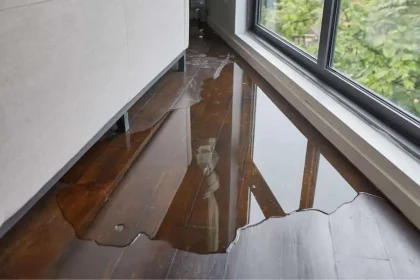
There are warning signs that the subfloor in your home has succumbed to water damage. These include cracking, sagging, crowning and standing water. While these signs are not necessarily a guarantee of the damage occurring to your home, they should be taken seriously.
Standing water
Standing water is a prime breeding ground for rot, mold, and bacteria. It’s usually hard to notice because the water collects beneath your floor and is hidden from view. This often results in a musty or sewage-like odor. It can be a sign that your subfloor is already failing.
Cracking
Cracking as a warning indicator of water-damaged subfloor demise is often indicative of a rotting subfloor. The subfloor may feel spongy or bounce when you walk across it. You may also notice damp spots and sagging boards. If you notice these symptoms, you can quickly repair the damaged subfloor by using a construction adhesive and screws.
Cracking is caused by a moisture imbalance between the pieces of flooring. This imbalance is more noticeable on the bottom of the floor piece than on the top. It is most often caused by a wet basement or crawlspace. It is essential to use proper dehumidifiers, install groundcover, and ensure heating and cooling are working properly. Once the moisture imbalance is eliminated, the floor should stabilize.
The presence of mold is another sign of water damage. This fungus grows on organic materials that are exposed to high humidity and trapped moisture. This problem can cause rotting of hardwood floors. It is also important to note that wood absorbs water, and this expansion will cause the edges of the boards to turn upward. If this happens, the board may also buckle.
Sagging
Water damage to the subfloor can cause the floor to begin to sag. Repairing this damage requires removing water and drying out the floor. Often, it can be completed in just 24 to 48 hours. To speed up the process, use a wet vacuum to remove puddles of water. Also, use fans and dehumidifiers to remove moisture. Depending on the extent of the damage, sagging floor repair can cost $1000 to $10,000. On average, a floor repair will cost between $75 to $125 per square foot.
A subfloor that is consistently exposed to water damage will feel spongy underfoot, bouncing or squeaking as you walk across it. You may also notice boards that are sagging or damp spots on the floor. These signs can be a warning indicator that your subfloor is rotting and needs to be replaced. In the meantime, you can repair the damaged area by applying a construction adhesive using a caulking gun and screws.
Inspecting for signs of water damage is essential before any repairs can be made. The first sign is water stains. If your walls are discolored, that could indicate more serious damage.
Crowning
Crowning is a common symptom of water damage to a subfloor and is often an indicator that the entire subfloor is suffering from water damage. In this case, it is best to call a professional water damage restoration company. If you notice any of these symptoms, you will need to replace the entire subfloor. There are tools that you will need for this job, including a circular saw for cutting planks, a bladed screwdriver for prying up planks, a small pry bar, a sharp scraper, and stain and finish if you plan to cut random lengths of planks.
Mold
The presence of mold in your home is a major cause of concern. Its spores can cause a variety of health problems, including allergic reactions and respiratory illnesses. In addition to causing health problems, mold can be very damaging to the structure of your house. It also affects the interior finishes, including the floor and walls.
In order to determine whether mold is growing in your house, you need to assess the area. This includes looking for soft spots and looking for signs of moisture. You should also have the area evaluated by a professional contractor to determine whether it’s safe or not.
Once you’ve assessed whether your subfloor is safe for habitation, you must take action to mitigate the situation. You should remove any wood that has become moldy. It is important to prevent the spread of mold spores in the air. Mold growth is one of the most common problems associated with water damage. Mold can cause a variety of health problems, including a stuffy nose, wheezing, itchy skin, and even fever.
Mildew
Mildew is a white or gray powdery deposit on plant stems and leaves. It develops when there is too much moisture in a moist area. It can also lead to warping or soft spots on walls and floors. When you discover mildew in your home, you should get it checked out by a professional.
The most common signs of water damage include discoloration of walls and ceilings, puddles on floors, and water stains on walls and ceilings. You should also look for buckling or dark stains in carpets. Similarly, you should look for cracks in the subfloor or flooring.
Swollen walls
When you find water on the walls or floor, you must immediately get the problem fixed. Water in the stud cavity can be structurally hazardous because it takes a long time to dry. Also, continuously wet areas are breeding grounds for mold and mildew. The best way to tell if your subfloor has rotted is to cut a hole in the drywall and inspect the subfloor beneath.
Other signs of water damage include peeling paint and dark stains. These could be a result of a faulty drain or pipe inside the wall. Another warning sign is swollen or warped walls. These can be very soft to touch.
Sagging floors
A sagging floor is a big problem. It can lead to more serious issues, such as a damaged foundation or cracks in the floor. If left untreated, this problem can wreak havoc on the rest of your home. This type of floor usually appears on the upper levels of a property. If you notice these signs, contact a professional as soon as possible.
As the ravages of water begin to take its toll, floorboards can begin to buckle and sag. If there’s a noticeable dip in the floorboard, the problem has already progressed. Worse, if the dip is permanent, the floor has lost its structural integrity.
Sagging floors can be caused by a variety of factors. First, check for moisture around windows and pipes. Secondly, check for a puddle or pool of water on the floor. Lastly, look for any signs of mold or mildew. These are all signs of a water damage to your subfloor.
Warning Indicators Of Your Water Damage To Subfloor Demise – Final Thoughts
If you suspect that your subfloor is suffering from water damage, you may be right to be concerned. Water in a stud cavity can cause rot and structural damage and takes a long time to dry out. In addition, a continually wet area is a prime breeding ground for mold. Whether the water damage is minor or extensive, it is important to act quickly to prevent further damage.
One of the warning signs that your subfloor is in trouble is the presence of mold. It’s important to find out the source of the water leak. It could be caused by a spill or flooding in your house. This will determine whether you can salvage the subfloor or not.
Another sign of water damage is the presence of puddles on the floor. These puddles can indicate the presence of damaged pipes and appliances. It can also be a result of uneven flooring. While water may not be visible, it will smell unpleasant.
In most cases, repairing a damaged area is not feasible, and you may need to replace the entire subfloor. However, if you can salvage part of the floor, then it would be a better option than replacing the entire floor. Remember to remove the finished flooring carefully so as not to damage the subfloor.
Compare Local Home Specialists Near You
Tell us what kind of help you need, then compare nearby businesses by location, Google rating, review volume and contact options.
HomeFix Local Match
Turn a home problem into a practical local hiring decision. Check the clues, see the specialist types that fit, open focused surrounding-location searches, then compare the strongest three before you call.
 YOUR PROBLEM
YOUR AREA
COMPARE 3
✓ Ready to compare
YOUR PROBLEM
YOUR AREA
COMPARE 3
✓ Ready to compare
What is happening?
Choose the closest problem type, then check every clue that applies. Your selections change the specialist order.
Where should the search focus?
Use Google’s “near me” context or enter the area you actually want a specialist to serve.
Simple local search: open nearby Google results, choose the businesses that look suitable, then compare your best three here before you call.
Problem snapshot
Who should you call first?
These are the specialist types most likely to fit the clues you selected.
Search around your location
Compare your top three
Use the same factors for each option so a high star rating does not hide a weak scope, poor diagnosis, missing credentials or unclear aftercare.
Comparison result
Your result combines the Google signals you entered with the practical hiring checks you completed.
Questions to ask every finalist
Use the same questions with each shortlisted business so the comparison stays consistent.