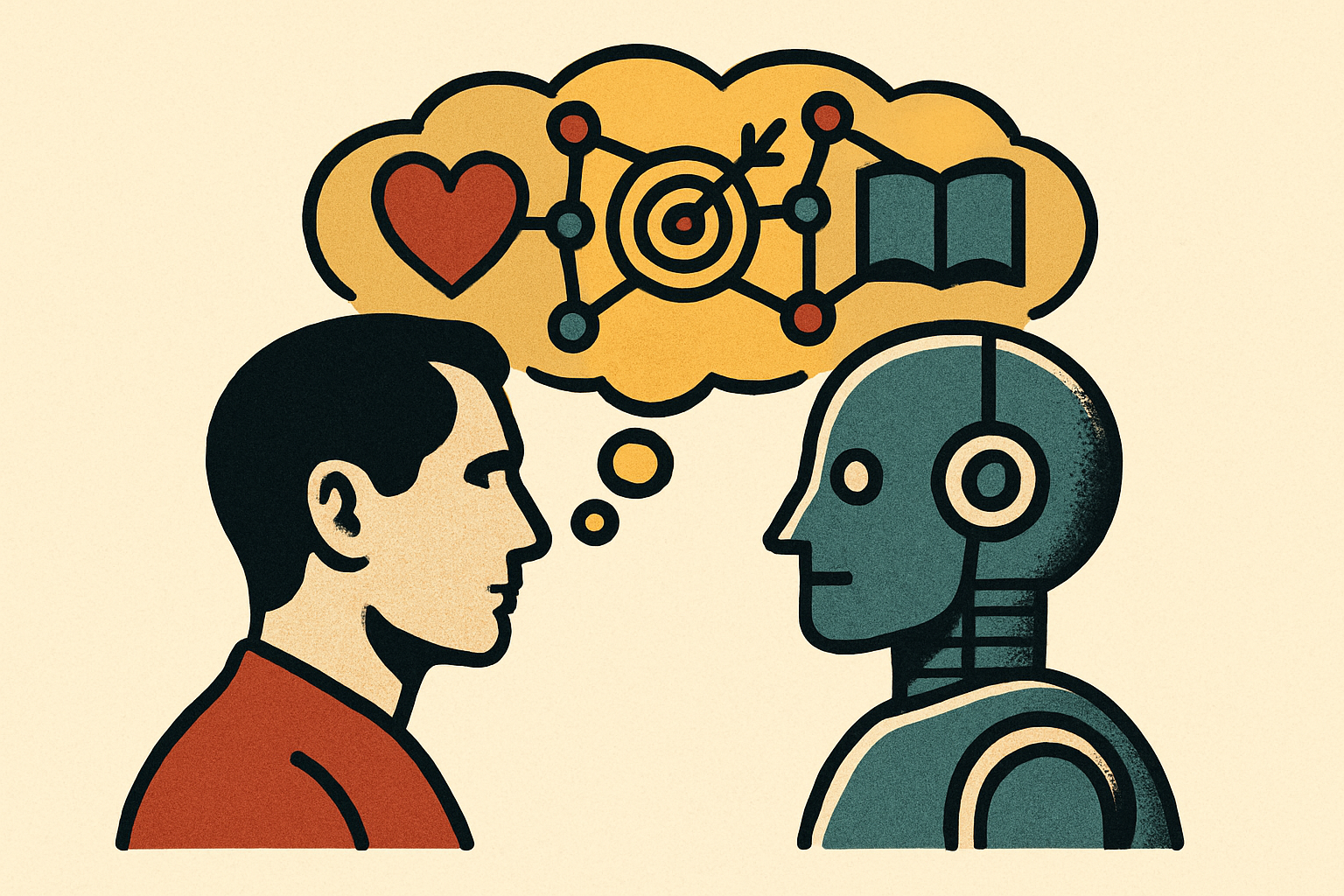

Theory of Mind in artificial intelligence (Theory of Mind AI) is the idea that an AI system can infer what someone else believes, wants, or intends – even when those mental states are different from reality or from the AI’s own knowledge. In humans, Theory of Mind is what lets us predict behavior, understand misunderstandings, and communicate smoothly. In AI, it’s a frontier that connects language models, planning, multi-agent systems, and human-AI interaction.
This guide explains what Theory of Mind AI is, how it works in practice, examples you can recognize today, and the most important limitations that stop current AI from truly “reading minds.”
This guide is part of our Theory of Mind AI topic hub, where we explore related research, examples, and applications.
What Is Theory of Mind in AI?
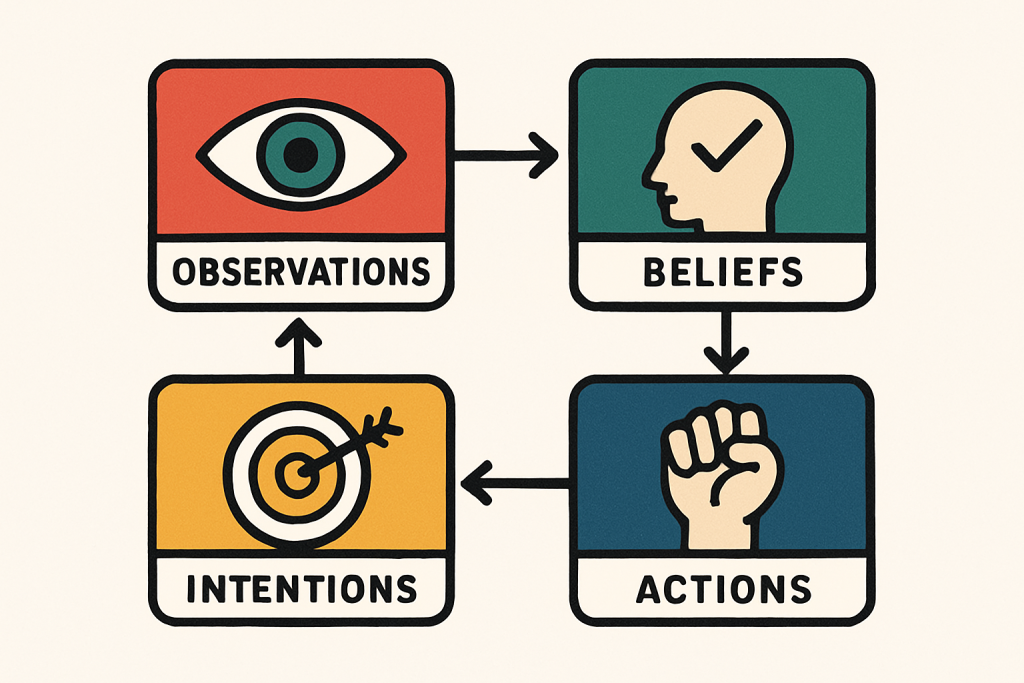
Theory of Mind AI refers to techniques that help models represent and reason about hidden mental states – like beliefs, preferences, and intentions – of people or other agents. It’s not mind-reading. It’s structured inference: the AI uses context and signals (language, actions, constraints) to estimate “what the other agent thinks is true.”
In real products, Theory of Mind AI shows up as:
- Better dialogue that adapts to what a user knows or doesn’t know
- Assistants that anticipate what you’re trying to do next
- Systems that collaborate with humans without constantly asking clarifying questions
Why Theory of Mind Matters in Artificial Intelligence
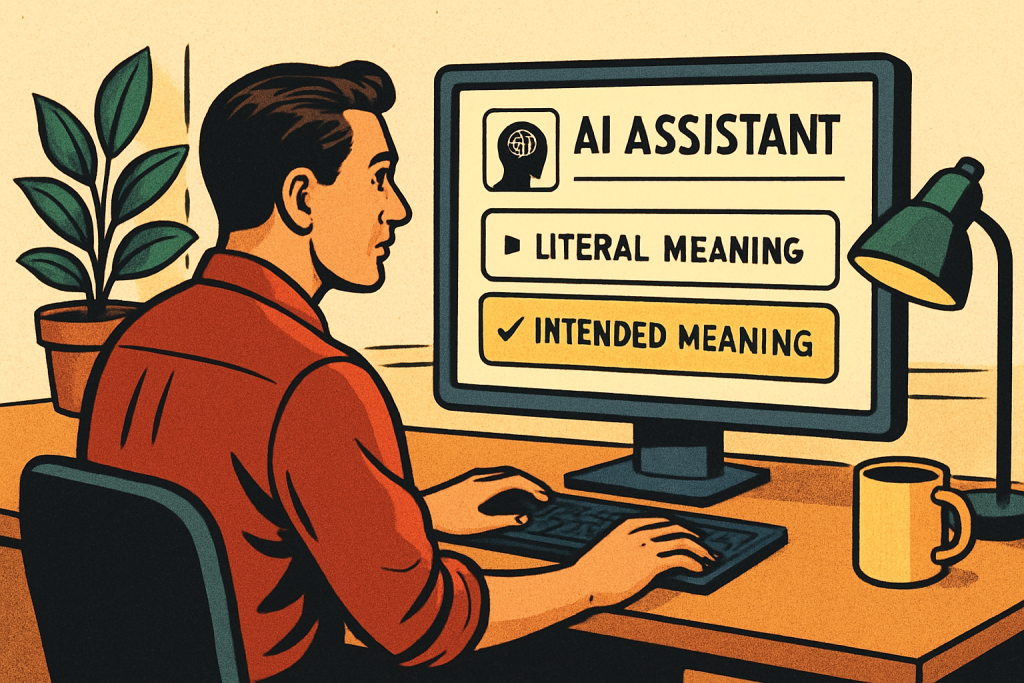
Theory of Mind is useful because the world is full of hidden information. People don’t say everything they know. They make mistakes. They change their minds. An AI that can reason about those invisible states can become more helpful in:
- Customer support: understanding what the user already tried
- Education: tailoring explanations to student misconceptions
- Robotics: predicting human motion and intent in shared spaces
- Teamwork: coordinating with other AIs in multi-agent tasks
- Safety: spotting conflicting goals and reducing harmful outcomes
How Theory of Mind AI Works (Simple Explanation)
Most Theory of Mind approaches rely on some combination of:
1) Observation → Inference
The AI watches actions or reads text, then infers a likely belief or goal.
Example: “She’s searching the kitchen… she probably believes the keys are there.”
2) World model + mismatch detection
The AI compares “what is true” vs “what the person thinks is true.”
This is crucial for classic Theory of Mind cases (false beliefs).
3) Planning with other minds
The AI chooses actions based on predicted reactions.
Example: “If I explain step A first, the user won’t misunderstand step B.”
4) Multi-agent simulation (lightweight)
Instead of one answer, the AI considers multiple “possible minds” and picks the best-supported one.
Important note: many modern systems do this implicitly (pattern-based) rather than explicit “belief objects.”
Theory of Mind AI Examples You’ll See Today
✅ MOVE your existing examples content here.
To help you, here are “example buckets” you can keep as sub-headings:
Example 1: AI that adapts to what you know
When an assistant remembers your context and avoids repeating basics, it’s approximating Theory of Mind.
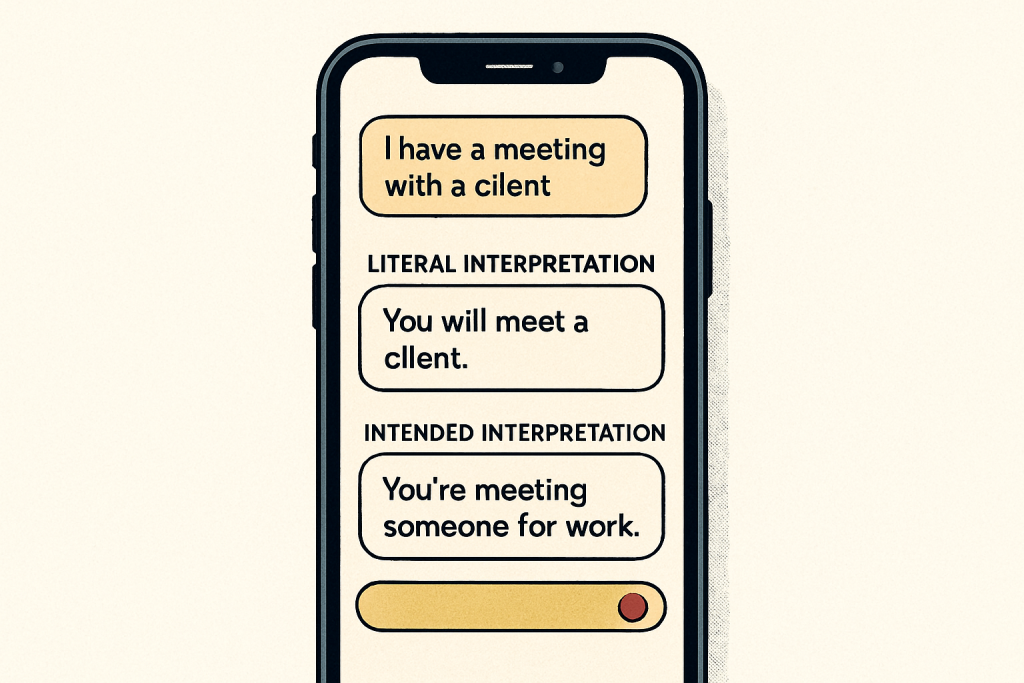
Example 2: AI handling misunderstandings
If the AI notices you interpreted something incorrectly and corrects gently, it’s modeling your belief state.
Example 3: AI predicting your next step
Autocomplete, workflow assistants, and copilots that anticipate actions use intention inference.
Example 4: Multi-agent systems
Agents negotiating, coordinating, or competing need to infer other agents’ goals.
Limitations (What Theory of Mind AI Cannot Reliably Do)
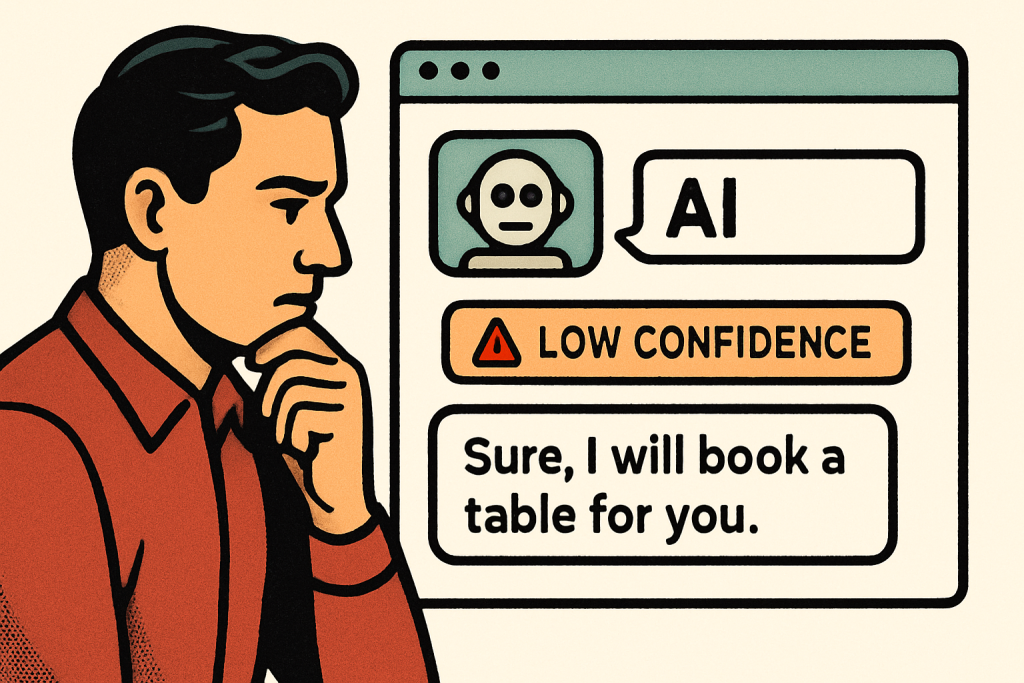
Even strong models still fail in predictable ways:
1) No guaranteed “belief tracking”
They often sound like they track beliefs, but can break with tricky scenarios.
2) Overconfidence
They may guess your intent and state it as fact.
3) Context window limits
If key details are earlier or missing, “mind modeling” collapses.
4) Social reasoning is not the same as truth
A model can be persuasive without being correct.
5) Not real empathy
Theory of Mind ≠ emotions. It’s inference, not feeling.
Is Theory of Mind AI Real Today?
A practical way to think about it:
- Yes, AI can approximate Theory of Mind in narrow tasks (dialogue, tutoring, planning).
- No, it’s not a consistent human-level ability. Many systems still behave like pattern matchers under pressure.
So the honest answer is: Theory of Mind AI exists as capability fragments, not as a stable “human-like mind model.”
Future of Theory of Mind in AI
The next breakthroughs will likely come from combining:
- Better memory + long context
- Explicit belief representations
- Multi-agent training environments
- Evaluation methods that test belief consistency
- Safety guardrails to reduce confident incorrect inference
As AI becomes more embedded in work and daily life, Theory of Mind-style reasoning will be one of the biggest drivers of whether assistants feel “smart” or “annoying.”
Quick FAQ
What is Theory of Mind in AI in one sentence?
It’s when an AI infers beliefs, goals, or intentions to predict behavior.
Is Theory of Mind AI the same as AGI?
No. It’s one capability area, not a full general intelligence.
Can AI read minds?
No. It estimates mental states from observable signals.