

If you have GERD, start by limiting foods that reliably provoke your symptoms, especially high-fat meals, and leave at least three hours between dinner and lying down. There is no universal “safe foods” list: the amount you eat, when you eat it, and your individual response all matter. Use the tables and seven-day plan below as flexible examples, then keep the foods you tolerate.
GERD food list at a glance
Gastroesophageal reflux happens when stomach contents move back into the esophagus; GERD describes recurring symptoms or complications. Certain foods can worsen reflux or irritate an already sensitive esophagus, but eliminating every item on a generic trigger list is seldom necessary. The clearest starting point is to change the meals that repeatedly cause trouble while preserving a varied diet.
| Food or drink | Why it may be troublesome | Practical first swap |
|---|---|---|
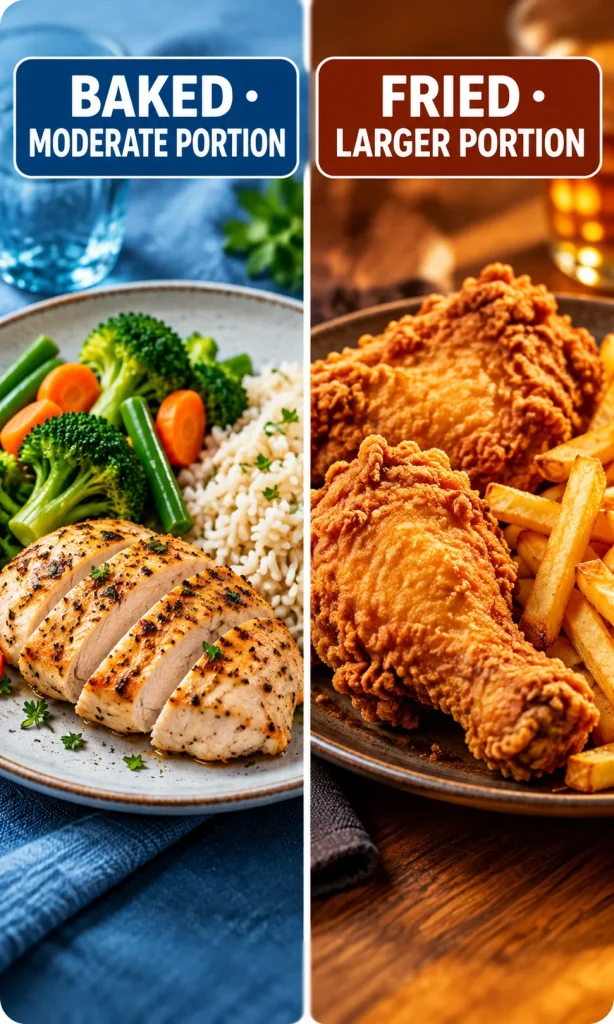
| Fried and very fatty meals | Large, high-fat meals can increase reflux symptoms. | Bake, steam or grill; use a modest amount of oil. |
| Tomato, citrus and acidic dressings | Acidity can aggravate symptoms, especially when the esophagus is irritated. | Try a herb and low-fat yogurt sauce if tolerated. |
| Hot chili and heavily spiced dishes | Spice may worsen burning for some people. | Use mild herbs, ginger if tolerated, and a smaller chili portion. |
| Coffee, caffeinated drinks and chocolate | These are common individual symptom triggers. | Test a smaller serving or an alternative without caffeine or chocolate. |
| Alcohol, fizzy drinks and peppermint | They can aggravate reflux in some people. | Choose still water or a non-mint, caffeine-free drink. |
| Onion, garlic, rich dairy and creamy sauces | Some people notice symptoms, particularly with large or fatty portions. | Try smaller portions, a lighter sauce and herbs for flavor. |
These are candidates to test, not a permanent ban list. Even a food normally described as reflux-friendly can cause symptoms in a particular person. If a meal repeatedly bothers you, consider the serving size, added fat, drink and bedtime interval before blaming a single ingredient.
| Category | Starting options | How to use them |
|---|---|---|
| Fruit | Banana, melon, pear, apple | Try a modest serving; peeled or cooked fruit may be easier for some. |
| Vegetables | Carrots, zucchini, green beans, spinach | Steam or roast with little oil; test cruciferous vegetables if gas is an issue. |
| Protein | Fish, skinless poultry, tofu, eggs or egg whites | Grill or bake; use lean cuts and your usual safe portions. |
| Grains | Oats, rice, whole-grain bread, potatoes | Use them as a base without heavy sauces or large late-night servings. |
| Dairy or alternatives | Low-fat yogurt, milk or fortified alternatives | Choose according to lactose tolerance and individual response. |
| Drinks and fats | Still water; small amounts of olive oil or nuts | Spread drinks and fats through the day rather than having a large serving at once. |
“GERD-friendly” means a reasonable starting choice, not a treatment or guarantee. This sample pattern is designed for adults who can eat normally; allergies, diabetes, kidney disease, pregnancy, swallowing problems and prescribed diets may change what is suitable. If you are losing weight unintentionally or cannot meet your needs, ask a clinician or registered dietitian for an individualized plan.
Which foods are most worth testing first?
High-fat and fried meals
A large plate of fried chicken and fries combines fat, volume and often a late dinner, so it is a useful first meal to modify. Try baked chicken with rice and vegetables, or share the fried dish and keep the rest of the meal lighter. Olive oil, avocado and nuts can still be part of a balanced diet, but a large serving of any high-fat food may be difficult when symptoms are active.
Acidic tomato and citrus foods
Tomato sauce, citrus fruit, citrus juice and vinegar-heavy dressings are often named as symptom triggers. They do not cause GERD by themselves, and a small amount in a meal may be tolerated better than a large glass of juice on an empty stomach. For pasta, test a mild vegetable sauce; roasted red pepper is not automatically a safer replacement because it can also bother some people.
Spice, onion and garlic
Chili heat may make burning more noticeable, while onion and garlic are personal triggers for some readers. Start with a mild version of the same recipe and change only one ingredient at a time. Thyme, parsley and basil can add flavor without making every meal bland; packaged seasoning mixes may also contain onion or garlic.
Coffee, chocolate, mint, alcohol and bubbles
These items are common enough to deserve a trial, yet their effects vary. Decaffeinated coffee is still a trigger for some people, and mint tea is a poor default substitute when peppermint itself provokes reflux. A smaller morning coffee with food may be easier than a large evening coffee, but your symptom record should decide whether that swap works for you.
Carbonated beverages can add uncomfortable fullness, while alcohol may aggravate symptoms and disrupt sleep. Replacing an evening drink with still water is a straightforward experiment, especially if nighttime reflux is the main problem. If you drink alcohol, avoiding a trigger does not mean another alcoholic drink is proven safe.
What to eat with GERD: meals that still feel like meals

Build a plate from a tolerated protein, a grain or starchy vegetable, and cooked vegetables or fruit. Preparation changes can matter as much as the ingredients: baked fish and rice with a light herb sauce may feel different from the same fish deep-fried and served with a creamy sauce. Keep portions comfortable rather than trying to fill up on a single supposedly soothing food.
Breakfast can be oatmeal with banana, a poached egg and toast, or low-fat yogurt with oats and pear if dairy suits you. For lunch, consider a chicken-and-rice bowl with steamed carrots, or a tofu sandwich with mild vegetables. Dinner might be baked fish with potato and zucchini; if dinner is late, reduce its size and make lunch more substantial.
Snack ideas include a pear, plain crackers with a small amount of nut butter, toast, or a modest serving of yogurt. Some people tolerate raw vegetables and legumes well, while others find them uncomfortable because of gas or fullness, which is different from proving they cause acid reflux. Select snacks that fit your appetite and other health needs, and avoid eating them immediately before bed.
Seven-day GERD meal plan
This is an illustrative menu, not a prescribed calorie level or a promise of symptom relief. Adjust portion sizes to your appetite and needs, substitute for allergies, and repeat meals to reduce shopping and cooking work. Each dinner assumes you can finish eating at least three hours before lying down; if your schedule cannot support that, move more of your food earlier and discuss persistent nighttime symptoms with a clinician.
| Day | Breakfast | Lunch | Dinner | Optional snack |
|---|---|---|---|---|
| 1 | Oatmeal, banana and low-fat milk or alternative | Chicken, rice and steamed carrots | Baked fish, potato and zucchini | Pear |
| 2 | Egg and whole-grain toast; melon | Leftover fish, rice and green beans | Tofu, noodles and mild cooked vegetables | Low-fat yogurt if tolerated |
| 3 | Oats with diced pear | Turkey or tofu sandwich with cucumber | Chicken, brown rice and spinach | Banana |
| 4 | Toast with a thin spread of nut butter and banana | Rice bowl with tofu and cooked carrots | Baked white fish, couscous and green beans | Plain crackers |
| 5 | Low-fat yogurt, oats and melon if tolerated | Leftover chicken and potato with zucchini | Herbed turkey or lentils, rice and carrots | Apple, peeled or cooked if preferred |
| 6 | Poached egg, toast and pear | Tuna or tofu with rice and cucumber | Chicken, sweet potato and steamed spinach | Small yogurt or fruit |
| 7 | Oatmeal with banana | Leftover grain-and-protein bowl | Roast fish or tofu, potato and mixed cooked vegetables | Melon |
A compact shopping list covers oats, bread, rice, potatoes, fish, chicken or turkey, tofu or eggs, carrots, zucchini, green beans, spinach, bananas, pears, melon, and your tolerated milk or yogurt. Buy only the quantities your household will eat and swap foods that have already caused symptoms. Batch-cook plain rice and proteins, then add herbs at serving time so meals do not depend on rich sauces.
Timing, portions and sleep can change the result
For nighttime symptoms, finish meals at least three hours before lying down. NIDDK specifically notes that this interval may help people whose GERD occurs at night or while reclining. A late small meal is not guaranteed harmless, so plan dinner around the time you actually go to bed rather than a fixed clock hour.
Try a smaller portion if a large meal seems to trigger reflux, and stay upright after eating. If you have overweight or obesity, weight loss may improve symptoms; it is not a requirement for someone at a healthy weight. Avoid restrictive dieting just to follow a reflux checklist, particularly if it leaves you short of nutrients or worsens your relationship with food.
For recurring nighttime reflux, a wedge or head-of-bed elevation can help some people; extra pillows alone may bend the body without producing the intended elevation. Sleeping on the left side may help, though it is not a substitute for assessing persistent symptoms. Tight waist clothing may add pressure, so choose comfortable fit after meals if you notice a link.
Find your own triggers without eliminating everything

For one to two weeks, record meal time, portion, ingredients, symptoms, lying-down time and any medication changes. Look for a repeated pattern, not one bad evening: the same food may appear in both symptomatic and symptom-free meals. Note stress, alcohol and meal size because they can make a food look guilty when the real pattern is more complicated.
If a specific food repeatedly lines up with symptoms, try changing that one exposure while keeping other meals broadly similar. When symptoms settle, you may test a smaller serving earlier in the day, unless your clinician has told you to avoid it for another reason. This is a practical self-observation method, not a diagnostic test; do not use it to delay care for warning signs.
Try the GERD Meal Studio: choose a meal, select a preparation, and note a possible trigger. The report records an experiment and a next step, not a diagnosis or a “safe food” certification.
GERD Meal Studio
Build a realistic meal, note a possible trigger and take a concise record to your clinician.
Assemble a meal
Your meal check
The report opens in a separate window. Allow a pop-up if your browser blocks it.
Optional symptom note
Record a short observation in this tab. Nothing is submitted to the site or saved after the tab closes.
For frequent symptoms or trouble swallowing, seek medical advice. Severe or unexplained chest pain needs urgent assessment, especially with breathlessness or arm or jaw pain.
When food changes are not enough
Speak with a clinician if reflux is frequent, keeps returning, disrupts sleep, or requires regular over-the-counter remedies. Trouble swallowing, painful swallowing, unexplained weight loss, persistent vomiting, or blood in vomit or black stools warrant prompt medical evaluation. Severe or unexplained chest pain, especially with breathlessness or arm or jaw pain, needs urgent emergency assessment rather than a dietary experiment.
GERD can require treatment beyond food changes, including medicines selected with a clinician. A helpful meal plan supports care, but it cannot tell whether symptoms come from GERD or another condition. Bring your symptom record and medication list to the appointment; those details are often more useful than an indiscriminate list of forbidden foods.
Frequently asked questions
Can I drink coffee or eat chocolate if I have GERD?
Possibly, if they do not reliably worsen your symptoms. Coffee and chocolate are common triggers, so try a smaller amount earlier in the day and observe your response. Avoid treating a single symptom-free serving as proof that larger servings will suit you.
Is oatmeal good for acid reflux?
Plain oatmeal is a useful breakfast option for many people, but no single food treats GERD. A large bowl topped with chocolate, peppermint or a heavy cream sauce could change your response. Keep the serving comfortable and judge the full meal by your own symptoms.
What is a good breakfast for GERD?
Try oatmeal and banana, an egg with toast, or yogurt with oats and pear if you tolerate dairy. Choose a portion that feels comfortable and pay attention to coffee, juice and rich toppings as well as the main food. Breakfast does not need to be identical every day.
Do I need to avoid all trigger foods forever?
No blanket rule requires every person with GERD to remove every commonly listed trigger. Identify foods that repeatedly worsen your own symptoms, then discuss persistent symptoms or a very restricted diet with a healthcare professional. Do not reintroduce a food that you must avoid for an allergy or another medical reason.
How long before bed should I stop eating?
For nighttime GERD, leaving at least three hours between your last meal and lying down may improve symptoms. If symptoms persist despite meal timing changes, ask a clinician about evaluation and treatment. Changing the clock alone will not resolve every cause of reflux.
When should I see a doctor about reflux?
Arrange care for frequent or persistent reflux, and seek prompt evaluation for trouble swallowing, unintended weight loss, persistent vomiting or signs of bleeding. Severe or unexplained chest pain with shortness of breath or arm or jaw pain requires emergency care. Do not assume chest pain is only heartburn.
A sensible place to start
Choose one meal that often causes symptoms, make it smaller or less fatty, and move it earlier if reflux strikes at night. Keep the rest of your diet varied while you observe what changes. If symptoms remain frequent or warning signs appear, get medical advice instead of adding more and more foods to an avoid list.
Sources and further reading
- NIDDK: Eating, Diet, & Nutrition for GER & GERD
- American College of Gastroenterology: Acid Reflux/GERD
- NIDDK: Symptoms & Causes of GER & GERD
- NIDDK: Treatment for GER & GERD
Related reading: what not to eat before bed and building a balanced plate.