


Introduction
Sadness usually comes with a reason – a loss, a disappointment, a difficult moment. Emotional fatigue feels different. It often lingers quietly, without a clear cause, making everyday life feel heavier even when nothing obvious is wrong. Many people struggle to explain this feeling, which can lead to confusion or self-blame.
Understanding the difference between sadness and emotional fatigue helps clarify what the body and mind may be experiencing, without immediately labeling it as illness.
What Is Sadness?
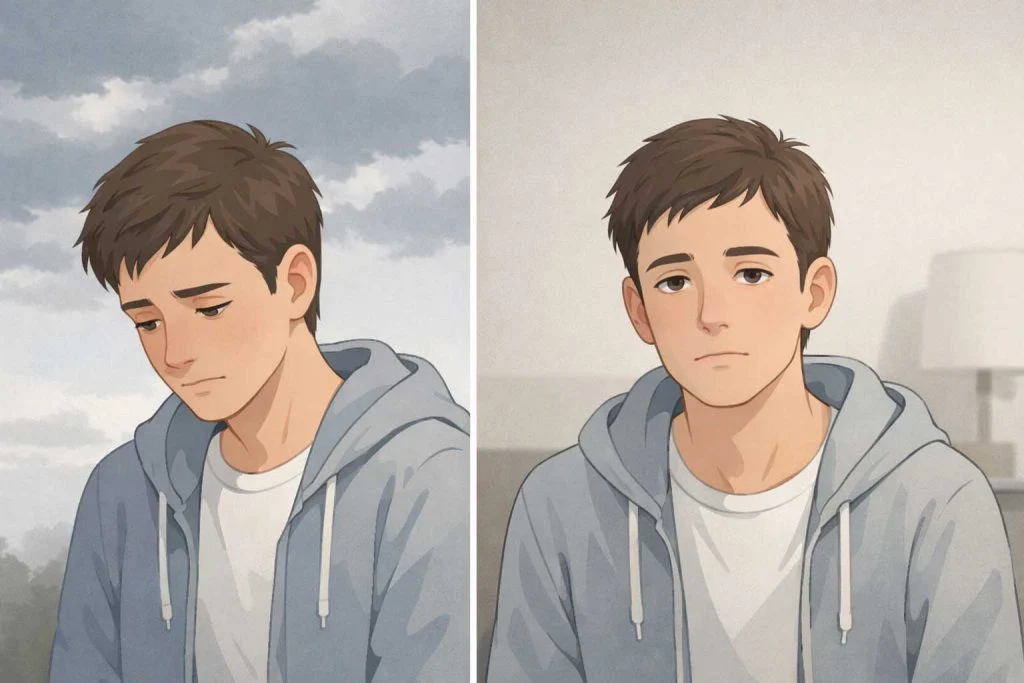
Sadness is a natural emotional response. It is typically connected to a specific event and tends to change over time. Even when sadness is intense, it often moves – easing gradually as circumstances shift or emotions are processed.
Sadness usually:
- Has a recognizable trigger
- Fluctuates in intensity
- Feels emotionally expressive
This movement is what separates sadness from more persistent emotional states.
What Is Emotional Fatigue?
Emotional fatigue is often described as emotional tiredness rather than emotional pain. Instead of feeling deeply sad, people may feel drained, unmotivated, or disconnected. This state can persist even when life appears stable on the surface.
Common descriptions include:
- Feeling mentally exhausted after simple tasks
- Reduced emotional response to positive events
- A sense of inner heaviness without sadness
Why Emotional Fatigue Lingers Longer
Emotional fatigue often builds gradually. Small stresses, repeated disappointments, or prolonged mental strain can accumulate until emotional energy feels depleted. Because there is no single triggering event, the feeling can be difficult to resolve.
This lingering quality can make people feel stuck, even when they are functioning day to day.
How Emotional Fatigue Affects Motivation

When emotional energy is low, motivation often follows. Tasks that once felt simple may require effort, and interest in activities may fade. This is not always due to sadness, but rather a lack of emotional capacity.
Motivation struggles linked to emotional fatigue are often misunderstood as laziness or lack of willpower, when they are more accurately signs of depletion.
Emotional Fatigue vs Depression

While emotional fatigue and depression can overlap, they are not the same experience. Emotional fatigue may appear on its own, or as part of a broader emotional pattern. Understanding this distinction allows people to describe their feelings more accurately.
Recognizing emotional fatigue does not require labeling or diagnosis – it begins with awareness.
Conclusion
Sadness and emotional fatigue may feel similar, but they behave differently. Sadness moves; emotional fatigue settles. Understanding this distinction helps reduce confusion and allows people to approach their emotions with greater clarity and patience.
This article is part of the broader depression topic hub, exploring emotional experiences and inner patterns.
FAQ
Is emotional fatigue the same as depression?
No. Emotional fatigue can exist on its own and does not always indicate depression.
Why do I feel emotionally tired without being sad?
Emotional fatigue often builds gradually and may not have a clear trigger. You can feel drained from ongoing stress, decision overload, or unresolved tension even if you are not feeling sad.
Does emotional fatigue go away on its own?
It can improve over time, especially when you identify what is draining you and adjust your routines, boundaries, or workload. If it keeps returning or starts affecting daily life, getting support can help.