

Can Depression Be Detected With A Blood Test?
A Blood test for depression is not a good indicator of depression. The results are often too low. A functional medicine doctor can review labs in a more personalized context, incorporating spiritual, environmental, and physical factors. Sometimes, depression is a simple misnomer and is caused by several factors.
RNA markers can detect depression
Using nine RNA markers, a blood test can now detect depression in patients. RNA molecules are responsible for translating DNA information into cell products and proteins. A new study reports that the levels of these markers decreased in depressed patients treated with cognitive behavioral therapy. This decline is linked to a decrease in depression symptoms.
While the diagnosis of depression is still subjective, reliable biochemical markers can assist with diagnosis and may also point toward the best treatment. Although the study was conducted on a small sample, it has important implications for those with a depressive illness. Researchers hope to test the results on a larger population in the future.
Researchers from the Indiana University School of Medicine have developed a blood test that can detect the presence of RNA markers in the blood. The blood test can differentiate between unipolar and bipolar depression and may help doctors better target treatments. It also may help identify patients at risk for severe depression or bipolar disorder.
The test may not be available immediately, but it will likely take several years before it reaches clinical use. Once approved, this new test may help clinicians objectively diagnose their patients’ depression and match them to appropriate treatments. It may also help prevent mood disorders by identifying patients at risk for them, and deliver treatments earlier.
The study used new sequencing methods to measure the levels of mRNAs packaged into EVs in 14 pregnant women. Of these, seven had postpartum depression after childbirth. They had scored 13 or higher on the Edinburgh Postnatal Depression Scale. The remaining five women had no signs of depression while pregnant.
The researchers discovered that circadian rhythm genes are linked to depression and mood disorders. These genes regulate the internal day-night clock, sleep-wake cycles, and seasonal changes. It could explain why some patients with mood disorders have more severe symptoms when the seasons change or their sleeping patterns are disturbed.
An objective test for depression may reduce the stigma surrounding this debilitating illness. If the tests are accurate, they may help clinicians identify individuals at risk for major depression, and identify effective treatments.
Symptoms of depression
A blood test can be a useful diagnostic tool in detecting symptoms of depression. It can rule out other medical conditions and pinpoint the exact cause of depression. It can also help physicians determine the best course of treatment. Depending on the results of a blood test, a doctor may prescribe an antidepressant or refer the patient to a psychiatrist or therapist for additional evaluation and treatment.
The current method of diagnosing depression relies on subjective and non-specific symptoms. Since these symptoms can be present in other problems, it can be difficult to determine the cause of a patient’s symptoms. Additionally, patients often underestimate symptoms, making the diagnosis of depression difficult. The new blood test may help physicians more accurately diagnose depression in patients and determine the most effective treatments.
There are several conditions that can mimic depression and others can cause depression as a symptom. A blood test will also identify any physical or nutritional deficiencies that may be contributing to the symptoms of depression. If a patient has low levels of certain vitamins and minerals, it may be a sign of depression.
Another way to identify depression is to pay close attention to warning signs and try to identify triggers for the symptoms. If your symptoms change, you should contact a doctor as soon as possible. You should also ask friends and family to be on the lookout for the warning signs. Additionally, you should try to avoid recreational drugs and alcohol, as these can exacerbate the symptoms of depression.
The new blood test will help doctors distinguish between patients with depression and those with bipolar disorder and better match them with the appropriate treatments. The blood test will also help doctors determine if patients are at risk for developing bipolar disorder, which is a common cause of bipolar disorder.
Treatment options for depression
If you suspect you may be suffering from depression, your health care provider may order a blood test to confirm the diagnosis. The results will tell your healthcare provider if your depression is due to biological or genetic factors. Psychotherapy may also help alleviate your symptoms. Lifestyle changes, such as exercise, social support, and adequate sleep, can also aid in your recovery.
A blood test can identify depression by looking at the levels of certain chemicals in the body. This can help the doctor determine whether or not a particular drug or therapy is necessary. The test also helps doctors rule out other illnesses that may be causing your symptoms. For example, a blood test for depression may be performed to rule out thyroid disease, anemia, or vitamin D deficiency. If the results show that you do have a medical condition, you may need to see another doctor.
Currently, doctors use questionnaires and blood tests to determine if a patient has depression. They also ask patients to describe their mood and daily activities. Unfortunately, these screening methods rely on a patient’s own reports, and what feels abnormal to one person may not be abnormal for another. Hence, millions of people with depression go undiagnosed and untreated.
Apart from detecting depression, blood tests also detect underlying health conditions that could be affecting the patient. A low level of folate could signal pernicious anemia, a common cause of depression. If the deficiency is detected early, it may be possible to treat the condition. Moreover, the doctor may also recommend lifestyle changes, such as exercise, to help with the depression symptoms.
The blood test is useful for diagnosing depression in children and adults. It helps clinicians to understand the biology of the disorder and can help parents make better decisions regarding treatment. For example, the blood test can help identify the RNA-based biomarkers that are linked to depression. These markers are present in blood samples from depressed and healthy people, as well as those treated with antidepressants.
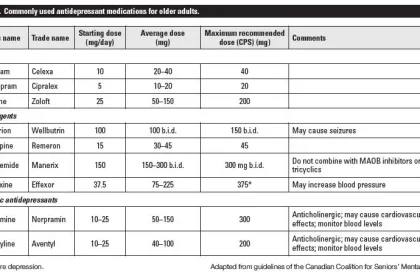
Antidepressants, including fluoxetine and zolpidem, can change the chemistry in the brain. However, it may take several weeks for the effect to take place, and side effects are common. Depending on the severity of the depression, different drugs may be prescribed. If the antidepressants do not work, brain stimulation therapy, such as electroconvulsive therapy, may help.
Testing for depression
A blood test can be a useful tool for screening for depression. The test can help physicians rule out other underlying medical conditions, such as thyroid disease, as the cause. It also can be used to determine the severity of depression. The blood test is simple and only takes about five minutes to perform.
Researchers developed a blood test for depression that detects the presence of certain biomarkers in the body. The test uses antibodies to detect specific proteins in blood samples. The researchers studied the blood samples of patients with depression, as well as healthy people who had undergone a general medical examination but did not have severe mental illness. They also looked at the blood of 14 people who had attempted suicide in the past decade. They were living in the community, so they should have had better mental health than current inpatients.
A blood test for depression can help doctors tailor the treatment for the individual patient. It can also highlight the presence of high levels of inflammation in a patient’s body. Inflammation is linked to a lower success rate of treatment for depression. This means that a blood test can help doctors make a more accurate diagnosis of a patient’s depression and prescribe more effective medication.
The current method for assessing depression relies on subjective symptoms that could be indicative of other problems. Patients often underreport their symptoms, making it difficult to accurately diagnose them. A blood test will help physicians differentiate between mood disorders and other emotional disorders. If the results are positive, the physician can then decide on the best treatment.
As the condition of depression is complex, it is often necessary to use multiple treatments. If the symptoms do not improve after multiple treatments, it may be necessary to change the treatment. In addition to medications, treatment may also be needed to address life and environmental factors that could contribute to the condition. During treatment, the patient may be advised to engage in physical activities, social support, and adequate sleep.
Researchers at Northwestern University have also discovered that some blood tests can be useful in determining the cause of depression. These tests use biomarkers that are found in blood samples of depressed and healthy subjects.
Can Depression Be Detected With A Blood Test – Final Thoughts
A simple blood test may be able to determine whether you suffer from depression. The results will help your doctor figure out what treatment will work best for you. The blood tests used in diagnosis may include a complete blood count, which may rule out other health issues. Depending on the results, your doctor may recommend an antidepressant or refer you to a therapist or psychiatrist.
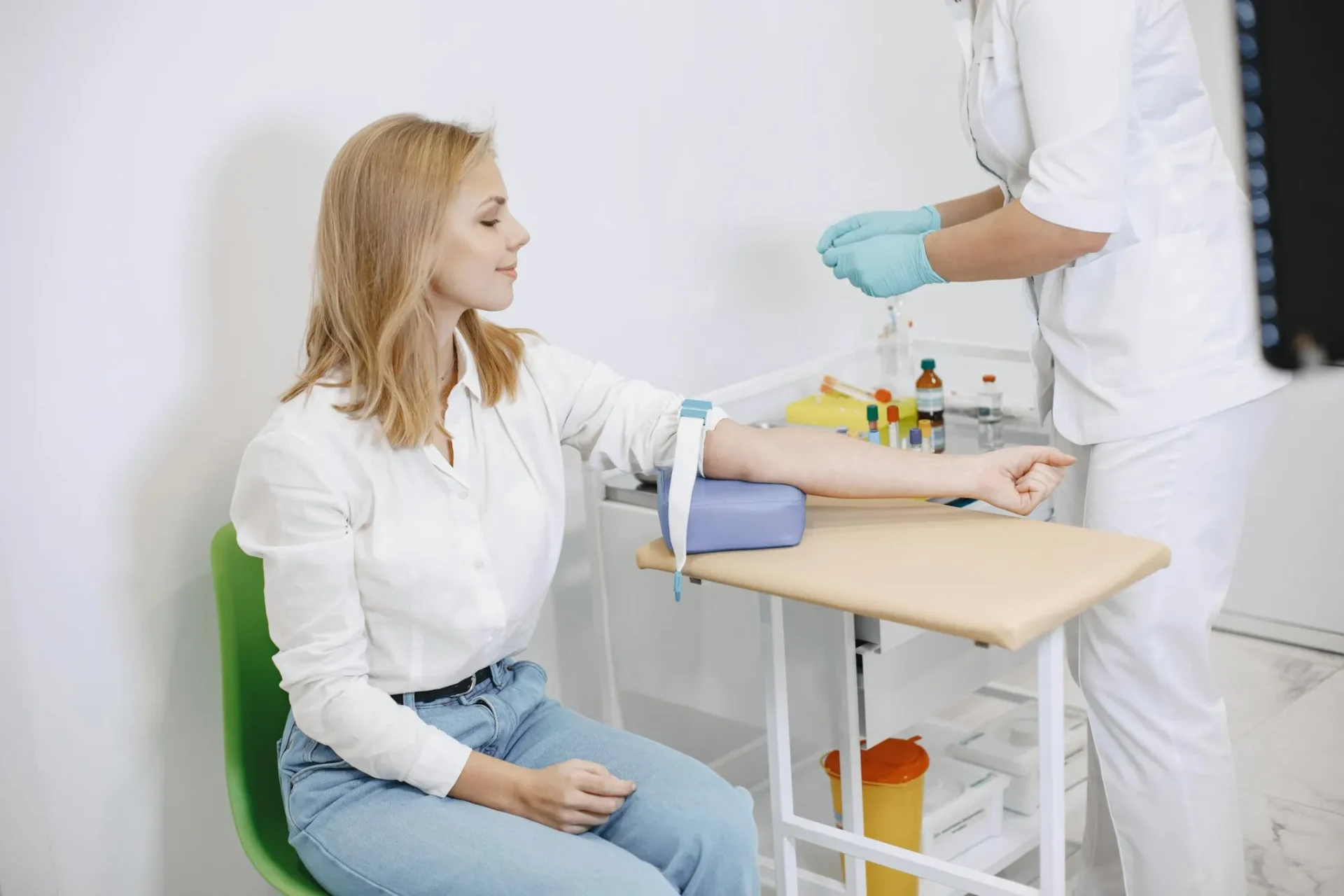
During the appointment, your doctor will ask you questions about your overall health and symptoms. They will also look at your family history and past medical history. After asking you about your symptoms, your doctor may order a blood test to rule out other medical conditions. Taking a blood sample from an arm vein is a painless process that can take five minutes.
Blood tests are becoming increasingly common in many fields of medicine, including psychiatry. Although they are not yet as accurate as those used in physical illnesses, blood tests are promising for the future of diagnosis and treatment. They can help doctors rule out other conditions and detect specific nutritional deficiencies.
If a blood test can detect depression, it can be a big step toward a quicker recovery. Although the diagnostic process for depression is often lengthy, blood tests can help speed the process. They may also be useful in ruling out other medical conditions that look similar to depression.