

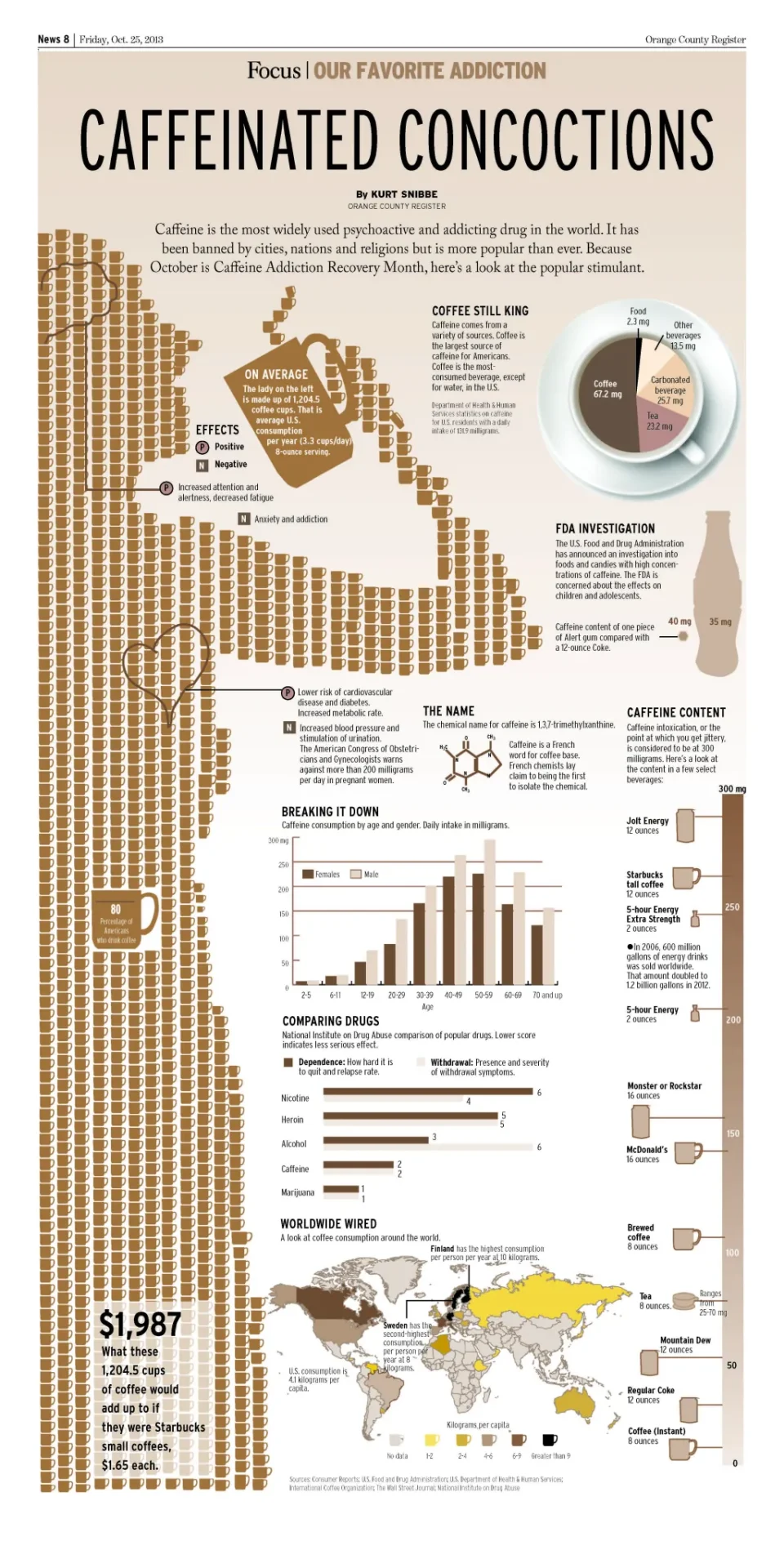

Even compact amounts of caffeine, like what’s located in decaffeinated coffee, are enough to impact some people today adversely. A 2011 study has shown that depressive symptoms increased proportionally with greater caffeine intake among kids. So, it’s achievable that for some folks, caffeine can essentially be dangerous to their mental health. Green tea consists of folate, which may perhaps also assistance with depression.

We all know that our body is tired when our brain slows down in providing directions. Caffeine aids in blocking the adenosine receptors which in turn, help in staying awake. Adenosine is a chemical which induces sleep and hence, blocking of it would essentially counterbalance its effects. It is for this purpose that people can’t stop their coffee consumption. There are men and women who go for numerous cups of coffee and this quickly becomes an addictive habit.
Ask The Mayo Mom: How And Why Endoscopy Is Used In Youngsters
Furthermore, students living in cities have a higher accessibility to caffeinated drinks than other places. Thirdly, data was only collected by self-reported questionnaire. The height and weight were asked to the students instead of measuring them considering that the study was carried out in the school. Academic achievement and the diagnosis of depression have been also not verified due to ethical troubles. It is also probable that the students had been not entirely honest through the psychological tests. Lastly, the causality of the connection cannot be identified because the study was conducted as a cross sectional study.

If there are any positive aspects from these other caffeine sources, they are not significant enough to show up substantially in study results. In addition, investigation suggests that caffeine causes increased turnover of numerous really feel-very good neurotransmitters, including serotonin, dopamine, and noradrenaline — all of which are involved in depression. Instead of taking a caffeine pill, mild depression could respond effectively to moderate consumption of caffeinated beverages and may perhaps be a better decision. For this cause, people may well encounter withdrawal symptoms if they do not have access to it.
Sleep And Depression
But if you reside with depressive symptoms and have been drinking a lot of soda or power drinks for a pick-me-up, take into consideration swapping out those drinks for coffee or tea. All round, research supports the rewards of caffeinated coffee for depression. But if you are extra sensitive to caffeine or really feel it gives you anxiousness, it is probably greatest not to become a coffee drinker primarily based on this details alone. Despite the fact that coffee and tea are not incorporated in this list, the proof is inconclusive as to their effects in individuals with depression.

Researchers have discovered clusters of other prevalent caffeine withdrawal symptoms. A fourth type of antidepressant, monoamine oxidase inhibitors, can enhance the effects of caffeine and bring about acute high blood stress. A foundational principle of mental overall health and cognitive performance is to provide the brain with the very best nutrition attainable.
Way Of Life Adjustments That Enable With Depression
Depression is a cyclical disorder, meaning the symptoms can come and go. It is essential to see your doctor so that you can be adequately diagnosed and acquire the care you have to have. Hold reading to learn far more about the connection among depression and caffeine. Depression is a mood disorder that affects about 14.eight million Americans. If you’ve had a depressive episode in the past, it may possibly return in the future. Medication, therapy, brain stimulation approaches, or self-help strategies could function for you.
This study was performed with a comparatively significant quantity of middle college students as a cross sectional study to evaluate the effects of caffeine intake on the psychological status of adolescents. The benefits showed that a group with a larger caffeine intake tends to have a greater alcohol consumption, lower academic achievement and a greater score of depression, anxiousness, insomnia, and stress. When influential things have been adjusted, the severity of depression and anxiety increased with statistical significance. A number of other research have shown that depressed sufferers tend to consume pretty higher amounts of caffeine (e.g., greater than 700 mg/day, or about 7 cups of coffee). In addition, caffeine intake has been positively correlated with the degree of mental illness in psychiatric individuals, particularly related to panic issues and depression. The link is powerful, but largely ignored by conventional mental well being practitioners and facilities.