

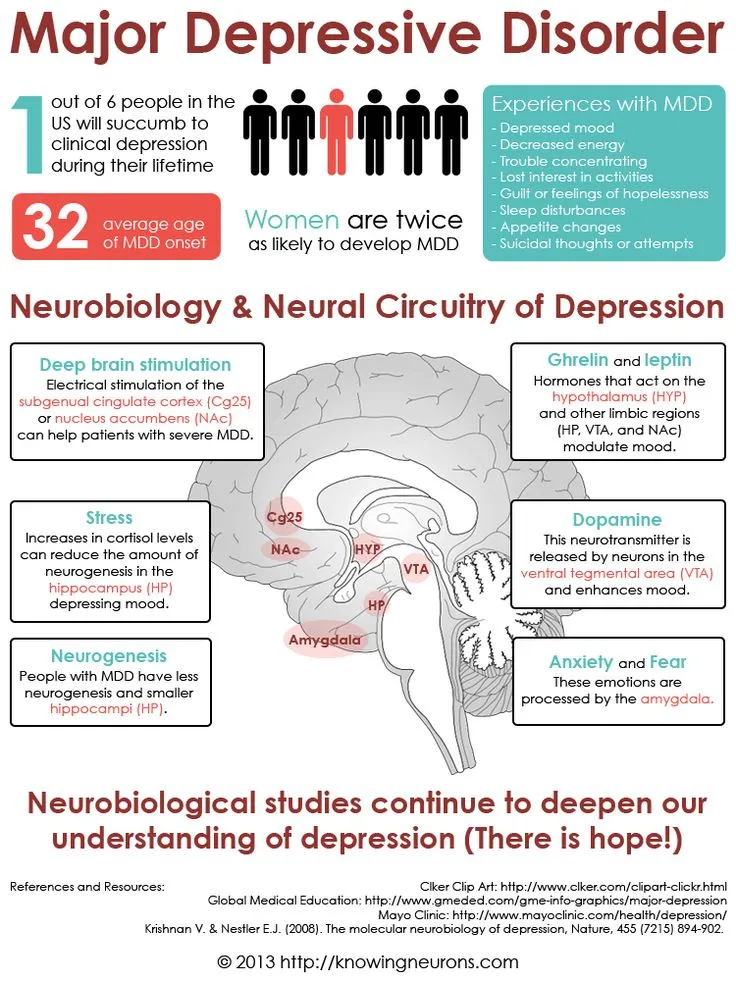

Depression is a common symptoms disease, which is characterized by sadness, loss of major interest, guilt and feelings of hopelessness. If you suffer from depression, then there are various causes and symptoms which can help you to determine the best treatment options.
If you are feeling sad, down, depressed or anxious, you may be experiencing depressive disorder. Depression can have many different causes, and it is important to get treatment for your depression as soon as possible.
This is an extremely common disorder in today’s world, with many people suffering from depression, and about 14% of adults in America being diagnosed with clinical depression. However, while antidepressants do exist to help those suffering from depression, sometimes people fail to see the signs of depression.
Some symptoms of depression include: lack of energy, sadness, thoughts of suicide or death, difficulty sleeping, overeating, loss of appetite, weight gain or loss, low self-esteem, increased irritability, anger or aggression, lack of concentration and memory loss.
Depression can occur at any age, although it is most commonly found in older adults. In fact, the average age of a person diagnosed with depression is around 55.
What is a major depressive disorder?
The best way to treat major depressive disorder is through cognitive behavioral therapy and medication. Cognitive behavioral therapy is the act of changing behavior and thought patterns through new ways of thinking. Medication can be a great help when it comes to depression as well; some people need medication in order to get better from their depression. Treatments for major depressive disorder include cognitive-behavioral therapy, medications, or both. Cognitive-behavioral therapy focuses on changing a person’s thoughts, feelings, and behaviors related to depression. Most people can benefit from it; some may need medication in addition to psychotherapy or just medication alone.
The symptoms of a big depression are familiar to all of us, but what do you need to know about the causes, treatment options, and side effects of the disease?
This article covers the details on symptoms, causes, treatment options, and even provides you with tips on dealing with Big Depressions.

1. Why Do People Get Depressed?
These are the common results people get depressed:
- They’re bored.
- They feel stuck in a rut.
- They don’t have any purpose or meaning in life.
- They’re living in fear of loss or death.
- They’re feeling hopeless.
- They feel like they’re stuck in a bad job or relationship.
- They feel alone.
- They feel like no one understands them.
- They feel like there’s something wrong with them.
- They think they’re worthless.
- They think they’re not good enough.
- They feel like there’s something wrong with their body.
- They feel like they don’t deserve to live.
- They feel like nobody loves them.
- They’re feeling depressed.
Depression is a complex mood disorder involving chemical imbalances and the dysfunction of parts of the brain. Depression often develops into bipolar disorder. Depression is not the same as being sad, anxious, or stressed. Depression is a mental illness that can affect your mood, energy levels, thoughts, and behavior. People who suffer from depression feel mental sad, blue, empty, hopeless, worthless, or guilty.

Depression is associated with a number of common symptoms, including sadness, irritability, feeling guilty, difficulty sleeping, fatigue, weight loss or gain, lack of appetite, trouble concentrating, and even thoughts of suicide.
These symptoms can be caused by something in the environment, such as certain kinds of people or places, certain types of work or social environments, or changes in one’s life. Sometimes depression is the result of a chemical imbalance. Other times, depression seems to stem from a combination of factors, including genetics and personality.
2. What Are Depression Symptoms?
Depression is a mental illness that affects the brain and causes sadness and low energy. It can be mild or severe.
If you’re feeling depressed or lonely, you might be suffering from a disorder that can make it harder to get out of bed in the morning. You might even feel sad and anxious all day long. But depression is treatable. Here’s what you should know.
3. How To Treat Depression?
Depression is defined as a mood state that involves sadness or low spirits. It is a major depressive disorder if there is an actual loss of pleasure in life or a change in appetite or weight. But people can have a lower level of energy and a greater need for sleep or food and still be happy.
It’s important to distinguish between normal sadness that comes with life’s challenges and depression that affects an individual’s mood and causes negative thoughts. People who are suffering from depression have been known to experience negative thoughts or a loss of appetite.
The thoughts and emotions associated with depression vary from person to person. Some people have feelings of hopelessness and anxiety. Others feel a lack of motivation or even a lack of caring about others.
You may consider some of the tips below:
- Find a local support group or find your doctor who will listen to you.
- Get involved in school or community activities.
- Do something nice for yourself.
- Don’t give up hope.
- Eat well and exercise regularly.
- Know that depression disorder doesn’t have to be your life sentence.
- Go through the stages of grief.
- If your family is struggling, reach out for more about help.
For people who want to be happy, they should try to spend some time alone. Sometimes, we don’t realize how much we need to be alone because we spend all day long talking to other people. People who don’t have enough time to be alone often end up being stressed out and feeling lonely.
Sometimes, we need to be alone to have a clear head. But if you don’t have a clear head, it is not a good thing to be alone. Having a lot of stress in your life can cause you to have trouble sleeping and eating properly. We should take care of our mental health. It’s also important to have a healthy diet and exercise regularly. We should try to spend more time outside because it will benefit us physically and mentally. Try to do something that you love so that you will not feel stressed out.
If you are suffering from major depression, it is important to find the right treatment. In fact, people who are depressed are more likely to commit suicide than those who aren’t. Therefore, it is important to seek help. The first step is to talk to your doctor about whether you are depressed.
If you are diagnosed as having depression symptoms, you should continue to visit your doctor regularly for treatment and support. Talk to your doctor more about the symptoms you’re experiencing. Some of the symptoms are loss of interest in things that you used to enjoy, loss of energy, loss of appetite and trouble sleeping.
4. What Causes Depression?
What causes depression? The simple answer is: Many things. Among them: Genetics, environment, and mental disorders such as bipolar disorder, depression, and anxiety. But in reality, there are many things that can contribute to a depressed mood, and the underlying factors are often complex. Depression is highly influenced by the interaction between our brains and our bodies, and no single factor can explain the whole experience.
Depression is one of those conditions that many people suffer from today. Some people believe that depression comes from the mind, but it is not true. It is caused by the body. There are several things that can cause depression, including stress, lack of exercise, unhealthy eating habits, and insufficient sleep.
One of the worst things you can do to yourself is to take medications when you don’t need to. Sometimes, these drugs can lead to severe side effects. They can even cause damage to your liver. Another problem with medications is that it can make you feel worse. It can also make you sick. Many doctors recommend that you don’t use medicine unless it is truly needed. If you don’t need the drugs, you don’t need them.
5. Depression And Suicide
If you’re having thoughts about suicide, you might be suffering from depression. Here are some signs and symptoms of depression.
- Feeling of hopelessness.
- Feeling guilty.
- Guilt about harming others.
- Feeling worthless. Losing
- Losing interest in activities that once brought you pleasure.
- You are easily overwhelmed with things you cannot control.
Depression, and even suicide, can be hard to recognize in someone you care about. But you don’t need to wait until there’s a crisis to pay attention. The best thing you can do to help someone who might be dealing with depression or suicidal thoughts is to listen. “They’ll feel worse if they don’t tell you how they’re feeling,” says Sari Greer, Ph.D., a psychologist and author of “The Whole Child.”
Suicide happens when people are unhappy about the way their lives are going. Sometimes, people who have a mental illness feel hopeless and sad. This makes them think that the only way they can live is to end their lives.
Most people who commit suicide are men between the ages of 15 and 24. Most of these people are depressed and have a lot of problems. If you are thinking about killing yourself, don’t do it. Talk to a friend or a relative. They will understand what you are feeling. Don’t wait until you are too late. You could change your mind.
6. What Can You Do to Reduce Depression?
“Most of us have heard the old adage ‘you can’t teach an old dog new tricks,’ but the same is true for people who suffer from depression. You can’t teach someone to feel better. But the good news is, people with depression can learn to live with it.”
You’ve heard about the power of positive thinking—but have you ever wondered what negative thinking looks like? Negative thinking can cause depression, and if you’re prone to it, it can also ruin your life.
If you’ve ever felt depressed, or are currently suffering through a dark time, you may already know that negative thinking can feel like a constant downward spiral. So how can you get out of this rut?
The answer is simple: just think positively. Positive thinking works, but not everyone can come up with a single, positive statement that will cure everything. Instead, think about the 10-step approach of Dr. Albert Ellis. He was the founder of Rational Emotive Behavior Therapy, and his work led to the development of cognitive behavioral therapy (CBT), which helped thousands of people overcome emotional pain and live happier lives.
This suggestion positive idea may help you reduce depression:
- Positive Thinking – Focus on the positive aspects of your life
- Positive Affirmations – Repeat a positive statement to yourself out loud. It could be anything like “I am so much better off than I was yesterday”
- Positive Outlook – Be optimistic. Think that things will get better.
- List of 10 Things About Yourself That You Are Happy About
- Plan and Prepare for Life’s Surprises – Make a list of what you want to accomplish. Then decide how you will deal with the unexpected situations that may occur.
- Keep Doing Things That Are Good for You – Don’t let other people determine what you can or cannot do
- Take Care of Yourself.
Final Thoughts on the Big Depression Mdd Symptoms, Causes, Treatment Options
The key symptoms of the Big Depression Mdd are: Anhedonia, apathy, anxiety, irritability, loss of appetite, and fatigue. This can cause a person to have a poor mood, low energy, or feel depressed. Depression can make it hard to do your daily activities and make it difficult to interact with others. Depression may get worse over time. The person may feel helpless and hopeless. They may experience negative thoughts and feel like they can’t do anything right. They may have trouble sleeping or concentrating. They may have difficulty making decisions and feel sad or guilty.
The treatment of depression involves a multi-faceted approach that is personalized based on the individual patient’s symptoms and medical history. For mild symptoms, antidepressants may be used as the initial treatment. When moderate to severe symptoms persist, counseling and psychotherapy can be tried, followed by antidepressant medication if necessary. In some cases, psychotherapy alone may be sufficient.
In conclusion, if you are experiencing any of these symptoms, do not ignore them. These symptoms could be early signs of a serious medical condition. Don’t hesitate to seek out medical care. In many cases, depression does not require treatment. But if you find that depression is severe, and you believe that you or someone else may be at risk of committing suicide, contact a doctor immediately. This is especially true if you have suicidal thoughts or if someone else knows that you have a mental illness.