

Depression is often imagined as sadness, crying, hopelessness or withdrawing from other people. But for some people, one of the changes they notice first is quite different: they become unusually irritable, impatient or angry. Everyday noises feel harder to tolerate. A harmless question can feel intrusive. Small mistakes become disproportionately frustrating. Someone may snap at people they care about and then wonder why their reactions seem so unlike them.
Anger does not automatically mean depression, and having depression does not mean someone will become angry or aggressive. Irritability can arise from many different circumstances, including stress, sleep loss, anxiety, physical illness, medication or substance effects, relationship strain and other mental health conditions. What makes irritability more relevant to depression is usually the wider pattern around it – whether it represents a change from the person’s normal baseline and whether it appears alongside persistent changes in mood, pleasure, energy, sleep, concentration, motivation or everyday functioning.
This distinction matters because depression can sometimes be missed when everyone is looking for sadness. A person may say, “I’m not sad. I’m just angry at everything,” while also sleeping poorly, losing interest in things they normally enjoy, feeling exhausted, withdrawing socially and struggling to concentrate. In that situation, the anger may be one visible part of a much broader change.
The more useful question, therefore, is not simply “Can depression make you angry?” It can be associated with irritability and anger. The better question is: what else has changed at the same time, how persistent is the pattern, and what is the anger occurring on top of?
Important: Anger or irritability by itself cannot diagnose depression. Persistent or concerning changes deserve assessment in their full context, particularly when they are affecting relationships, work, self-care or safety.
[eg_depression_irritability_studio]
Is Anger a Symptom of Depression?
Anger can occur alongside depression, but it is important to be precise about what that means. Depression is not defined by anger alone, and an angry period should not automatically be interpreted as a depressive episode. Instead, irritability may appear as part of a broader cluster of emotional, cognitive, physical and behavioural changes.
The presentation can also be less dramatic than the word “anger” suggests. Some people do not experience explosive rage. They notice that their threshold for frustration has changed. They become short-tempered more easily, have less patience for interruptions, feel persistently “on edge,” respond sharply to ordinary requests or find themselves internally irritated by situations they previously handled without much difficulty.
For someone accustomed to thinking of depression as sadness, this can be confusing. They may interpret the change as a personality problem, relationship problem or failure of self-control. Family members may interpret it as hostility. Yet the most informative clue may be that the irritability appeared at roughly the same time as other changes in mood, energy, sleep, enjoyment, concentration or functioning.
This is why depression is better understood as a pattern rather than a single feeling. Someone can experience sadness without depression, just as someone can experience anger without depression. What becomes clinically more meaningful is the combination, persistence, severity, context and effect on daily life.
Major depressive disorder can include persistent changes in mood, interest, thinking, sleep, energy and daily functioning. Diagnostic criteria published by the American Psychiatric Association explain that symptoms should always be interpreted as part of the overall clinical picture rather than individually.
Anger is therefore best interpreted alongside the broader emotional, cognitive, behavioural and physical changes described in the depression symptoms guide, rather than treated as evidence of depression by itself.
Irritability May Be More Noticeable Than Sadness
One reason depression-related irritability can be overlooked is that anger is outward-facing. Sadness may encourage retreat, while irritability creates friction with the environment. The person may argue more often, react impatiently to family members, become unusually sensitive to noise or interruptions, or feel that other people are constantly demanding something from them.
The internal experience can be different from what others see. Someone may appear hostile while internally feeling exhausted, overwhelmed or unable to tolerate one more demand. This does not excuse hurtful behaviour, but it can change the question from “Why are you suddenly such an angry person?” to “Why has your capacity to handle ordinary frustration changed?”
That change in baseline is particularly useful to notice. A person who has always been impatient is presenting a different question from someone who was generally even-tempered but has become persistently irritable over several weeks while also losing interest, sleeping differently and struggling to function.
Anger Is Not the Same as Aggression
Anger is an emotional state. Aggression is behaviour intended to threaten, intimidate or harm. They should not be treated as interchangeable.
Someone can feel intensely angry without becoming aggressive. Depression-related irritability may instead appear as impatience, withdrawal, sharp responses, resentment, arguments, internal tension or an urge to be left alone. Conversely, aggressive behaviour can have many causes and should not simply be attributed to depression.
This distinction is important because describing people with depression as inherently aggressive would be both inaccurate and stigmatizing. The clinically useful issue is not whether a person fits an “angry depressed person” stereotype. It is whether there has been a meaningful change in emotional regulation, frustration tolerance or behaviour that deserves closer attention.
Why Can Depression Cause Irritability and Anger?
There is rarely one simple mechanism behind irritability. A more useful way to understand it is to think about emotional capacity. Everyone has a limited ability to absorb demands, regulate reactions, shift attention, solve problems and tolerate frustration. That capacity changes depending on sleep, physical health, stress, cognitive load, emotional state and many other factors.
Depression can affect several of those systems at once. Someone may be sleeping badly, physically exhausted, thinking more slowly, struggling to concentrate and experiencing persistent negative thoughts. Activities that previously restored them may no longer feel rewarding. Responsibilities, however, have not necessarily become smaller. Work still needs to be completed. Children still need attention. Messages continue arriving. Decisions still have to be made.
The result can create an important contradiction:
The external problem may still be small, while the person’s remaining capacity to deal with it has become much smaller.
That distinction helps explain why telling someone “You’re getting angry over nothing” often misses what is happening. The spilled drink, delayed train, unanswered message or household noise may indeed be minor. But it may be landing on top of exhaustion, low mood, cognitive overload, rumination and weeks of diminished recovery.
This does not mean every disproportionate reaction is caused by depression. It means the size of the trigger should not be confused with the amount of strain already present before the trigger occurred.
Reduced Frustration Tolerance

Frustration tolerance describes how well a person can experience inconvenience, uncertainty, delay or disappointment without becoming overwhelmed by it. It is not fixed. A person who can calmly deal with three problems on a well-rested day may struggle with one relatively minor problem after prolonged emotional and physical depletion.
Depression can potentially reduce that available margin. Concentration may require more effort. Decisions can feel harder. Motivation can fall. Sleep may be disrupted. Ordinary responsibilities can begin to require considerably more effort than before. Each additional demand therefore consumes capacity that may already be limited.
This is why the subjective experience may be less like “I am furious” and more like “I cannot deal with one more thing.” The anger is real, but underneath it may be depletion, overwhelm or a sense that ordinary demands have become unusually difficult to carry.
Fatigue Can Leave Less Emotional Margin
Fatigue deserves special attention because it changes much more than how sleepy someone feels. Persistent exhaustion can make concentration harder, increase the effort required for ordinary tasks and reduce the capacity available for emotional regulation. When a person already feels depleted before the day begins, inconveniences that would normally be manageable may feel considerably more intrusive.
This is also why “just get more rest” can be an incomplete response. Ordinary tiredness often improves meaningfully after sufficient sleep or recovery. Depression-related fatigue can be more persistent and may coexist with low motivation, reduced pleasure, cognitive difficulties and changes in sleep itself.
Ordinary tiredness often improves meaningfully after sufficient sleep or recovery, while depression fatigue vs normal tiredness can involve a more persistent pattern that affects motivation, thinking, emotional capacity and everyday functioning.
If irritability reliably becomes worse during periods of severe exhaustion, fatigue may be part of the pathway connecting depression with a lower frustration threshold. It is still important not to assume depression is the cause, because persistent fatigue also has many physical and psychological explanations that may require assessment.
Sleep Disruption Can Amplify Reactivity
Sleep deserves to be considered separately from fatigue. Poor or insufficient sleep can affect attention, patience and emotional regulation even in someone who is not depressed. When sleep disturbance occurs within a broader depressive pattern, it can add another layer of vulnerability to frustration.
The relationship can also become circular. Low mood or rumination may interfere with sleep. Poor sleep can make the following day harder to manage. Greater irritability can then create conflict or stress, which may make it even harder to settle mentally later that night.
This is one reason it can be misleading to search for a single cause of anger. The irritability may emerge from several interacting changes rather than one isolated “anger mechanism.”
Rumination Can Keep Anger Active After the Trigger Is Gone
Not all irritability disappears when the immediate problem ends. Sometimes the event is over but the mind continues replaying it: what someone said, what should have happened, what the person wishes they had said, or why the situation felt unfair.
This repetitive thinking can keep emotional activation alive far beyond the original event. A five-minute disagreement can occupy attention for hours. The person may repeatedly reconstruct the conversation, imagine different outcomes or connect the incident with older frustrations. As the mental replay continues, the emotional response can feel newly activated each time.
This creates another useful distinction. The trigger may explain why the anger started, while rumination may help explain why it did not settle.
When the original event has ended but the mind continues replaying, analysing or arguing with it internally, depressive rumination and overthinking may be helping to keep the emotional reaction active.
The Small-Trigger, Low-Capacity Problem
One of the easiest mistakes to make when looking at irritability is to focus entirely on the trigger. Someone snaps because a cupboard was left open, a child asks another question, a colleague sends a routine message or the internet stops working. From the outside, the reaction appears obviously disproportionate, so the conclusion becomes: the person is overreacting to something trivial.
That description may be technically correct while still missing the more important information.
Imagine emotional capacity as a container. On an ordinary day, the container may have enough unused capacity to absorb traffic, noise, delays, decisions, disagreements and mistakes without overflowing. During a difficult depressive period, much of that capacity may already be occupied by poor sleep, fatigue, low mood, negative thinking, concentration problems and the effort required simply to keep functioning.
The final trigger does not necessarily create all of the distress. It may simply be the first thing that arrives after the available margin has disappeared.
This gives us a useful framework:
Trigger size ≠ reaction capacity.
A small trigger can coexist with a large reaction without proving that the trigger itself was important. Sometimes the clinically more interesting question is what had already filled the system before the final event occurred.
That is also why repeatedly removing individual irritations may not completely solve the problem. A quieter room, fewer notifications or a less demanding evening may certainly help. But if the underlying pattern includes persistent low mood, sleep disruption, loss of pleasure, cognitive strain and exhaustion, another small demand may eventually take the place of the one that was removed.
The goal is therefore not merely to identify “What made me angry?” It is also to ask:
“What had already reduced my capacity before I became angry?”
That question takes us much closer to understanding when irritability may be part of depression rather than simply an isolated reaction to a frustrating day.
Common Signs That Irritability May Be Related to Depression
Irritability becomes more informative when it appears as part of a larger pattern rather than as a single isolated symptom. Most people occasionally become impatient after a stressful week, poor night’s sleep or difficult conversation. Those experiences are common and do not necessarily suggest depression. The picture changes when irritability persists, represents a clear departure from the person’s usual temperament and develops alongside other emotional, cognitive and physical changes.
Many people describe the change as feeling unlike themselves. Someone who was previously patient may notice that ordinary interruptions become difficult to tolerate. A parent may feel guilty for becoming frustrated with children over minor issues. A colleague who normally enjoys teamwork may begin avoiding conversations because every interaction feels emotionally draining. Others describe feeling internally tense throughout the day, even when nothing objectively upsetting is happening.
Rather than asking whether anger is present, it is often more useful to ask whether multiple changes have been occurring together over several weeks.
Signs That Irritability May Be Part of Depression
| Possible Pattern | Why It May Matter |
|---|---|
| Irritability has become more frequent than usual | Represents a noticeable change from your normal emotional baseline. |
| Small frustrations now trigger strong reactions | May reflect reduced emotional capacity rather than larger external problems. |
| You feel guilty after becoming irritated | Suggests your reactions no longer feel consistent with your usual personality. |
| Enjoyment has decreased alongside irritability | Loss of pleasure and irritability commonly occur together during depression. |
| Sleep, energy or concentration have also changed | Multiple symptoms together are generally more informative than one symptom alone. |
| Relationships are becoming strained | Persistent irritability often begins affecting communication and social functioning. |
| You increasingly want to withdraw from people | Emotional exhaustion may make ordinary interactions feel overwhelming. |
| The pattern has lasted for weeks rather than days | Persistent symptoms deserve closer evaluation than temporary stress reactions. |
Irritability Often Appears Alongside Other Emotional Changes
One reason clinicians rarely interpret irritability by itself is because depression usually affects several emotional systems simultaneously. A person who has become unusually impatient may also notice that they feel emotionally flat, find it difficult to enjoy hobbies, have less motivation to begin tasks or struggle to experience positive emotions with the same intensity as before.
These accompanying changes help create a more complete picture. Irritability becomes one visible expression of a broader alteration in mood and emotional functioning rather than an isolated personality characteristic.
For some people, sadness remains the dominant experience. For others, emotional numbness or frustration becomes much more noticeable than low mood. Individual experiences vary considerably, which is why depression cannot be recognised by one emotion alone.
Some people notice that emotional disconnection becomes more prominent than sadness, and understanding emotional numbness vs depression can help explain why feeling emotionally flat is not always the same experience as feeling persistently depressed.
Loss of Pleasure Can Increase Frustration

Irritability is not always produced by unpleasant experiences alone. It can also develop because positive experiences gradually stop providing the emotional recovery they once did.
Activities that previously helped someone unwind after work may no longer feel rewarding. Time with friends may require effort rather than provide energy. Favourite hobbies can begin to feel strangely empty. Without those normal sources of psychological recovery, everyday stressors may gradually accumulate instead of being balanced by enjoyable experiences.
Over time, this reduced emotional recovery can contribute to feeling increasingly impatient, mentally exhausted and less able to tolerate additional demands.
When enjoyable experiences gradually stop providing the sense of reward they once did, understanding why nothing feels enjoyable anymore can help explain how reduced pleasure contributes to emotional exhaustion and irritability.
Depression Anger vs Ordinary Anger
One of the most important questions is not how intense the anger feels but why it is occurring and what happens around it. Ordinary anger usually develops in response to a clear situation, gradually settles after the problem is addressed and allows emotional balance to return. Depression-related irritability often behaves differently because it exists alongside an already depleted emotional system.
Someone experiencing ordinary frustration may become upset during an argument, calm down after some time and return to their normal emotional baseline. In depression, however, the baseline itself may already have shifted. Even after the immediate trigger disappears, the person may continue feeling tense, emotionally exhausted or unusually sensitive to additional demands.
This difference does not mean depression-related irritability is always more severe. Rather, it often reflects a reduced capacity for emotional recovery.
Depression Irritability vs Ordinary Anger
| Ordinary Anger | Depression-Related Irritability |
|---|---|
| Usually follows a clear trigger | May occur even when triggers are relatively minor |
| Emotional state often returns to baseline | Emotional tension may remain elevated |
| Positive experiences usually restore mood | Enjoyable activities may provide little emotional recovery |
| Often limited to one situation | Can affect many different parts of daily life |
| Usually not accompanied by persistent depressive symptoms | Often occurs alongside fatigue, reduced pleasure, low motivation or concentration problems |
| Emotional capacity remains largely intact | Emotional resilience may already be reduced before the trigger occurs |
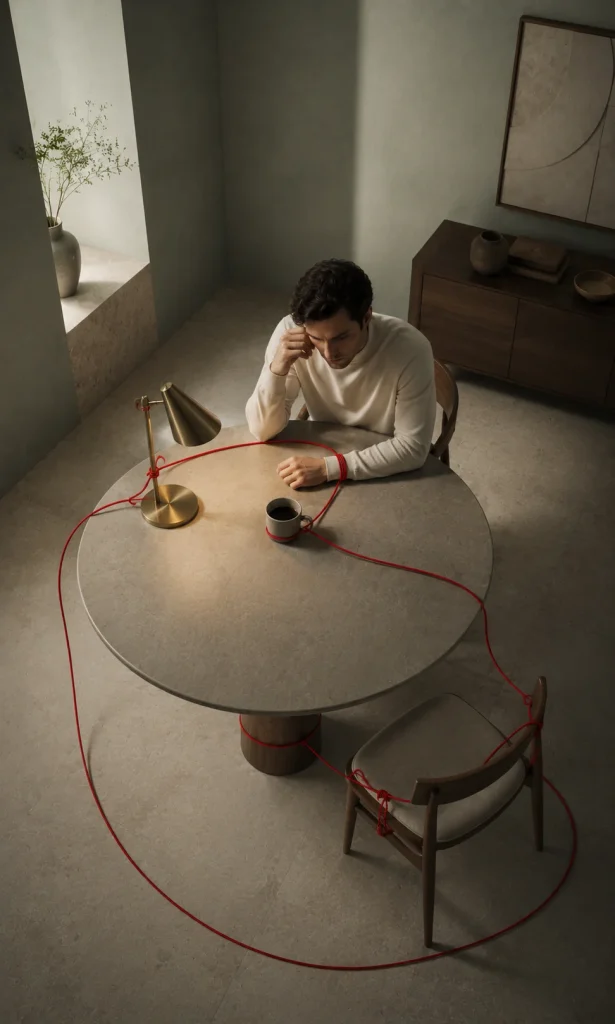
Why Guilt Often Follows Irritability
Many people experiencing depression describe becoming irritated more easily than before and then feeling guilty almost immediately afterward. They recognise that their reaction was stronger than the situation deserved, yet they also feel unable to respond differently in the moment.
This pattern can become emotionally exhausting. The person becomes frustrated, regrets how they reacted, worries about hurting relationships and begins criticising themselves. Self-criticism then adds further emotional strain, making it even harder to cope with the next stressful situation.
Over weeks or months, this repeated sequence may gradually reinforce feelings of hopelessness, inadequacy or emotional exhaustion.
Loved Ones Often Notice the Change First
Sometimes the individual experiencing depression does not immediately recognise how much their emotional responses have changed. Family members, close friends or colleagues may instead notice that conversations have become shorter, patience has declined or everyday interactions seem unusually tense.
These observations should never be used to diagnose someone. However, when multiple trusted people independently notice a sustained change in behaviour together with other depressive symptoms, it may be worth reflecting on whether a broader pattern has developed.
Rather than asking, “Why are you so angry lately?”, supportive conversations are often more helpful when they focus on broader wellbeing:
- “You don’t seem like yourself recently.”
- “You seem exhausted all the time.”
- “I’ve noticed you aren’t enjoying things like you used to.”
- “Is there anything that’s been making life feel much harder lately?”
Questions like these invite discussion without reducing the person’s experience to anger alone.
Depression Anger, Anxiety and Bipolar Disorder Are Not the Same
Feeling irritable does not automatically indicate depression. Similar emotional experiences can occur in anxiety disorders, bipolar disorder, chronic stress, sleep deprivation, certain medical conditions, medication effects and many other situations.
For example, anxiety-related irritability often develops because persistent worry keeps the body in a heightened state of alertness. Bipolar disorder may involve irritability during depressive episodes, but it can also appear during manic or hypomanic episodes where mood, energy, activity levels and behaviour change in very different ways from depression alone.
This is why diagnosis depends on the overall clinical pattern, not one symptom viewed in isolation.
Healthcare professionals consider questions such as:
- How long has the irritability been present?
- What other emotional changes occurred at the same time?
- Have sleep, appetite or energy changed?
- Has motivation decreased?
- Is there reduced enjoyment?
- Have there ever been periods of unusually elevated mood or greatly increased energy?
- Are medical conditions, medications or substance use contributing?
Looking at the broader pattern helps avoid drawing conclusions based on one emotional experience alone.
Because depression often affects both emotional and physical wellbeing, recognising the broader physical symptoms of depression may help explain why irritability rarely occurs entirely on its own.
Healthy Ways to Manage Depression-Related Irritability
Feeling irritable during depression can be frustrating for both the individual and the people around them. Many people become caught in a cycle of reacting more sharply than they intend, feeling guilty afterward, promising themselves it will not happen again, and then becoming overwhelmed by another seemingly minor situation a day later. Breaking this cycle rarely depends on simply “trying harder to stay calm.” It usually requires understanding and addressing the underlying factors that have reduced emotional resilience in the first place.
The goal is therefore not to suppress every feeling of frustration. Irritability is an emotional signal, not a personal failure. The more useful approach is to understand why the emotional system has become overloaded, reduce unnecessary stress where possible and rebuild the capacity that has been diminished by depression.
Notice the Pattern Before Trying to Control It
Many people focus only on the moment they become angry. By that point, however, the emotional system may already have been under pressure for hours or even days. Instead of asking, “Why did I lose my temper?”, it can be more informative to ask:
- What was my sleep like this week?
- Have I been mentally exhausted?
- Have I been worrying constantly?
- Am I avoiding activities that normally help me recover?
- Have I been feeling emotionally flat for several weeks?
- Have small frustrations been building throughout the day?
Recognising these patterns helps shift attention away from individual incidents toward the broader factors contributing to reduced emotional resilience.
One practical approach is to keep a brief daily record of mood, sleep quality, energy levels, significant stressors and episodes of irritability. Over time, patterns often become easier to recognise than isolated memories.
Protect Emotional Capacity, Not Just Your Temper
People often imagine emotional regulation as learning to tolerate increasingly difficult situations. While resilience is important, depression frequently changes the problem. The issue may not be a lack of determination but a shortage of emotional resources.
Imagine emotional capacity as a rechargeable battery. Sleep disturbance, persistent negative thinking, chronic stress, physical illness, prolonged decision-making and depression itself may all gradually drain that battery. If very little charge remains, even ordinary responsibilities can feel surprisingly difficult.
Protecting emotional capacity may therefore include:
- maintaining a reasonably consistent sleep schedule
- taking regular breaks during mentally demanding work
- reducing unnecessary multitasking
- allowing time for activities that genuinely provide psychological recovery
- recognising when fatigue is becoming excessive rather than pushing through indefinitely
These strategies are unlikely to eliminate depression by themselves, but they may reduce the number of situations where emotional overload develops.
Do Not Ignore Loss of Pleasure
One hidden contributor to irritability is the gradual disappearance of activities that normally restore emotional balance. Enjoyment is not merely something pleasant that happens after responsibilities have been completed. Positive experiences also help people recover from stress.
When depression reduces the ability to experience enjoyment, everyday demands continue arriving while emotional recovery becomes progressively weaker. Over time, even routine responsibilities may begin to feel relentless.
For that reason, healthcare professionals sometimes encourage people to continue engaging in meaningful activities even when enjoyment is initially reduced. Improvement may occur gradually rather than immediately, and expecting instant emotional reward can become discouraging.
This process is different from forcing yourself to “be positive.” Instead, it involves slowly rebuilding opportunities for recovery while recognising that depression may temporarily reduce the emotional response to those experiences.
If enjoyable activities have gradually become emotionally flat rather than refreshing, learning more about why nothing feels enjoyable anymore may help explain how reduced pleasure affects emotional resilience throughout the day.
Give Yourself More Time Before Responding
When emotional capacity has been reduced, immediate reactions may become stronger than intended. Creating even a brief pause before responding can sometimes reduce unnecessary conflict.
That pause might involve:
- stepping away from the situation for a few minutes
- slowing breathing without trying to eliminate emotions completely
- delaying difficult conversations until fatigue has reduced
- recognising physical signs that emotional overload is increasing, such as muscle tension or racing thoughts
The objective is not to suppress anger but to allow the thinking part of the brain more opportunity to participate before reacting automatically.
Speak Openly With People You Trust
Persistent irritability often affects relationships long before someone realises how much their mood has changed. Friends or family members may interpret the behaviour as rejection, criticism or a change in personality.
Where appropriate, honest conversations can reduce misunderstanding. Explaining that emotional capacity has become unusually low does not excuse hurtful behaviour, but it may help others understand that the irritability reflects a broader struggle rather than a lack of caring.
Supportive conversations can also make it easier for others to notice changes that the individual themselves may overlook.

When Should You Speak With a Healthcare Professional?
Occasional irritability during stressful periods is part of normal human experience. The situation becomes more important when irritability persists, becomes unusually intense or begins affecting work, relationships, self-care or daily functioning.
Professional assessment becomes particularly worthwhile when irritability occurs alongside several of the following:
- persistent low mood lasting two weeks or longer
- loss of pleasure in activities that were previously enjoyable
- significant changes in sleep
- ongoing fatigue despite adequate rest
- poor concentration or slowed thinking
- feelings of worthlessness or excessive guilt
- withdrawal from family, friends or usual interests
- thoughts that life is not worth living or concerns about personal safety
It is also important to seek medical assessment when irritability appears suddenly without an obvious explanation, develops together with neurological symptoms, follows changes in medication or substance use, or is accompanied by physical symptoms that could suggest another medical condition.
Depression is only one possible explanation for persistent irritability. Healthcare professionals consider physical health, medications, anxiety disorders, bipolar disorder, substance use, sleep disorders and many other factors before reaching a diagnosis.
The National Institute of Mental Health (NIMH) recommends seeking professional evaluation when depressive symptoms persist, interfere with everyday functioning or include thoughts of self-harm.
Depression Is Treatable
One of the most important messages is that depression-related irritability does not have to become a permanent part of someone’s personality.
As treatment addresses the underlying depressive episode, many people notice that patience gradually improves, emotional reactions become more proportionate and everyday frustrations become easier to manage. Improvement often occurs gradually rather than overnight, and different approaches may work better for different individuals.
Treatment plans may include psychological therapies, lifestyle changes, addressing contributing medical conditions, medication where appropriate or a combination of these approaches. The most suitable option depends on the person’s symptoms, medical history, preferences and overall clinical assessment.

Professional Perspective
One of the most persistent misconceptions about depression is that it always looks like sadness. In reality, depression can alter the way people think, feel, respond to stress and interact with those around them. Irritability is therefore not simply “bad temper” in every situation, nor should it automatically be interpreted as evidence of depression.
The most clinically useful question is rarely “Is this anger?” Instead, it is “What wider pattern is this anger occurring within?”
When irritability develops alongside persistent fatigue, reduced enjoyment, sleep disturbance, cognitive changes and declining daily functioning, it becomes much more informative than when viewed in isolation. Looking at that broader picture helps individuals, families and healthcare professionals understand the underlying problem more accurately and choose the most appropriate next steps.
Depression affects people differently. Some become visibly sad. Others become emotionally numb. Some withdraw quietly, while others appear unusually impatient or frustrated. Recognising this diversity reduces stigma and improves the likelihood that depression will be recognised earlier rather than dismissed as a personality change.
Guidance from the World Health Organization (WHO) emphasises that depression is a common, treatable medical condition that affects emotional, cognitive and physical wellbeing in different ways across different individuals.
Key Takeaways
- Depression does not always present primarily as sadness.
- Persistent irritability can sometimes be one part of a broader depressive pattern.
- The size of the emotional reaction is often less informative than the overall change in emotional capacity.
- Sleep, fatigue, loss of pleasure, concentration problems and low mood frequently provide important context.
- Irritability alone cannot diagnose depression.
- Persistent symptoms affecting daily life deserve professional assessment.
- Effective treatment often improves emotional regulation as underlying depression improves.
If you are unsure whether irritability is occurring alongside other emotional or physical changes, our comprehensive depression symptoms guide explains how these symptoms often fit together as part of a broader clinical pattern.
Frequently Asked Questions
Does depression always cause anger?
No. Many people with depression never become noticeably angry or irritable. Some mainly experience sadness, emotional numbness, fatigue, reduced motivation, loss of pleasure or withdrawal from other people. Irritability is one possible way depression may appear, but it is not a required symptom and cannot diagnose depression by itself.
Can depression make you angry for no obvious reason?
Depression can sometimes make anger seem as though it has appeared without a clear reason. However, the reaction may be occurring on top of poor sleep, fatigue, cognitive strain, persistent negative thinking, reduced enjoyment and a lower tolerance for additional stress. The immediate trigger may be small even though the person’s emotional capacity was already reduced.
Is depression-related irritability different from ordinary anger?
It can be. Ordinary anger commonly follows a clear event and settles as the situation is resolved. Depression-related irritability may occur against a persistently depleted emotional baseline, affect several areas of daily life and appear alongside changes in mood, sleep, energy, pleasure, concentration or functioning. The wider pattern is usually more informative than the intensity of anger alone.
Why do small problems feel so irritating during depression?
Depression may reduce the emotional capacity available for handling delays, interruptions, decisions and everyday frustrations. Sleep disruption, exhaustion, rumination and concentration difficulties can consume much of that capacity before a new problem occurs. A minor event may therefore produce a stronger reaction because very little emotional margin remains.
Why do I feel guilty after becoming irritated?
People may feel guilty when their reaction seems stronger than the situation required or inconsistent with how they usually behave. That guilt can lead to self-criticism, shame and further emotional strain. The additional burden may then reduce frustration tolerance even more, contributing to a repeating cycle of irritability, regret and exhaustion.
Can depression-related anger affect relationships?
Yes. Persistent irritability may contribute to arguments, short responses, avoidance, resentment or withdrawal. Partners, relatives and colleagues may interpret the behaviour as rejection or hostility without realising that the person’s emotional capacity has changed. Depression does not excuse harmful behaviour, but recognising the broader pattern can support clearer communication and appropriate treatment.
How can I tell whether irritability may be connected to depression?
Irritability may deserve closer attention when it represents a sustained change from your usual temperament and occurs alongside low mood, reduced pleasure, fatigue, sleep changes, concentration problems, guilt, withdrawal or declining daily functioning. No single symptom confirms depression, so a healthcare professional should assess the complete pattern and consider other possible causes.
Can anxiety or bipolar disorder also cause irritability?
Yes. Irritability can occur with anxiety, bipolar disorder, chronic stress, sleep deprivation, medication effects, substance use and several medical or psychological conditions. Bipolar disorder may involve irritability during depressive, manic or hypomanic episodes, but diagnosis depends on the full pattern of mood, energy, activity, behaviour and clinical history rather than irritability alone.
How can depression-related irritability be managed?
Helpful approaches may include identifying patterns, protecting sleep, reducing unnecessary overload, creating a pause before responding, communicating openly and continuing manageable meaningful activities even when enjoyment is reduced. Persistent irritability may improve when underlying depression and contributing health, sleep or medication issues are properly assessed and treated.
When should I speak with a healthcare professional about irritability?
Consider speaking with a healthcare professional when irritability persists for several weeks, becomes more intense, affects relationships or work, or occurs alongside other symptoms of depression. Prompt assessment is also important when the change is sudden, follows a medication or substance change, or appears with concerning physical or neurological symptoms. Seek urgent assistance if there is an immediate risk of harm to yourself or someone else.