
There is No Cure For Having a Mental Illness
Having a mental illness can be a tough experience, especially when you feel hopeless and alone. You may also wonder whether you’ll ever get better or if you’ll just have to live with the symptoms. But just because you’ve been diagnosed doesn’t mean that you have to live like this forever. There are treatments for people who suffer from mental illnesses that will help them get back to their old self.
Despite all the recent progress in mental health, the only way to stop this problem in its tracks is to treat it before it gets worse. While there is no known cure for a mental illness, you can try to prevent it as much as possible.
Scientists have found that mental illnesses are caused by problems in the brain’s communication system. There are no medications available that will cure this condition, but you can learn how to avoid these risks and get the treatment that’s right for you.
While there is no cure for having a mental disorder, there are many ways to treat it. The best way to begin is by seeing a psychiatrist.
They can prescribe medications that can help you manage the symptoms and improve your quality of life. There are also treatments that can help you overcome your symptoms.
A mental health professional can give you an idea of the right medication to take to help you manage the disease.
While there is no cure for having a mental disorder, there are treatments that can help manage the symptoms and allow you to function in your social environment.
Before you can receive any treatment, you should first consult a qualified medical professional. He or she will ask you about your symptoms and the impact they have on your life.
They will also perform a physical examination to ensure that they are looking at a problem that could be treated.
Fortunately, there are some treatments that can help with symptoms of a mental disorder. Some of these treatments are available over the counter and are highly effective.
However, you may want to seek treatment for a mental disorder that is specific to your situation. If you are not sure about the diagnosis, you should consult with a psychiatrist about a psychological health condition.
A therapist or doctor will be able to recommend treatment that will work for your particular situation.
The cause of most mental illnesses is unknown, but research shows that many mental disorders are caused by a combination of biological, environmental, and behavioral factors.
In addition, brain injury can be a contributing factor. While there is no cure for having a mental disorder, you can work to improve your quality of life. There are many ways to improve the quality of your life and get back on track.
Symptoms of a mental illness are often behavioral.
The person may appear withdrawn, quiet, emotional, and/or angry. They may be mute or mentally retarded. Depending on the severity of the symptoms, the person may be withdrawn, or antisocial. Having a mental illness is a serious condition that can lead to serious medical complications. The person with a mental disorder should seek treatment and find the right therapy.
Among the most common causes of a mental illness is a lack of motivation.
A person suffering from a mental disorder may feel like he has a low self-esteem or a lack of hope. They may be depressed and feel hopeless, but this is not true. The only way to overcome a mental illness is to find a way to improve your life. There are treatments available for both major mental disorders.
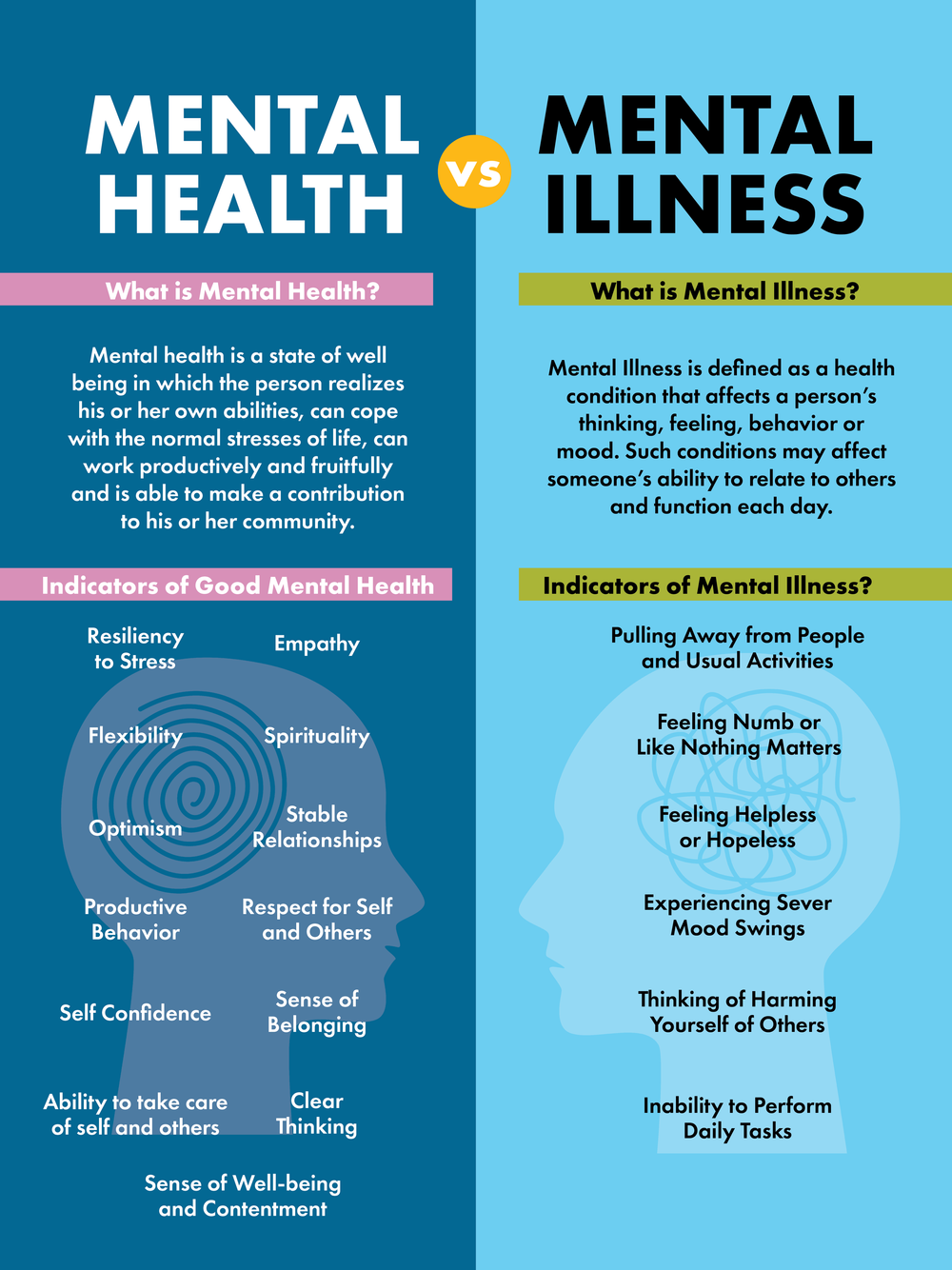
The symptoms of mental illness are different for every individual. They may be common to many people, but others may have symptoms that are not obvious. There is no simple diagnosis of a mental illness. Instead, it requires a healthcare provider to determine specific signs and symptoms. Each of these illnesses has its own unique set of signs and symptoms, which can be stress-related mental illnesses to the underlying biological causes of mental illness dysfunction. The following sections describe the symptoms of three mental illnesses.
Mental Illness Is Not Caused By Doing The Wrong Things
Unlike physical ailments, mental illnesses are not caused by doing the wrong things. Instead, their causes are complex and a combination of biological, genetic, and environmental factors. Researchers have found that psychological disorders are often a combination of different factors, and they have yet to discover a single cause for every mental disorder. The following sections will discuss some of the most common causes and the potential treatments for them. To help you decide which treatment is right for you, we recommend you take a look at each of the possible factors.
mental illness is identical with being mentally disabled brainly
Many people believe that mental illnesses are caused by the wrong things they do. The truth is, there are no “wrong” things to do to prevent a mental disorder. While these factors are significant, there is no single cause for every type of mental disorder. The more risk factors an individual has, the more likely they are to develop a condition. Some mental illnesses may occur slowly or suddenly after a stressful event. Living in a poor environment or in a family situation where one parent is abusive may also contribute to an increased risk of developing a disorder.
there is no cure for having a mental illness brainly
Mental illnesses can also be caused by the wrong choices. While doing the wrong things may increase the chances of a mental disorder, many scientists believe that the wrong choices have no direct connection with mental health. The reason for this is because people have different brain chemistry and different types of disorders. However, in the majority of cases, mental illnesses are not caused by doing the wrong things. The most common mistake is assuming that the person with a mental illness is “just doing the wrong things.”

Whether or not someone is suffering from mental illness is a complex issue. Ultimately, it isn’t the wrong things that have caused it. Some people do the wrong things, which can lead to a life-threatening condition. This is an oversimplified view. There’s no single reason that a person can’t suffer from a mental disorder. This is because there’s no one-size-fits-all explanation for what causes a person to experience emotional symptoms.
people with mental illness are risky and violent brainly
Some people with mental illness may be more in touch with reality than others. They are unable to show the symptoms to others and live a productive life. But some people do, and most are not violent. They are not more likely to commit crimes. It’s simply that they don’t have the right to do those things. They may have been diagnosed with a mental illness, but they are not necessarily suffering.
Stress is One of the Causes of Mental Illness
There are many different causes of stress, including physical environments, relationships, work, and major life events. Whether the cause is a big event or a series of small events, stress is a serious condition that requires treatment.
In order to minimize the symptoms of stress, people should practice self-care, which can include making changes in diet and exercise, limiting negative influences, and maintaining good sleep hygiene.
Stress can cause physical problems and can lead to mental problems. Those suffering from increased stress should be aware of the signs and symptoms of their condition to determine what can be done to improve their state of health.
It is important to seek professional medical help if you experience these signs and symptoms. It is essential to receive treatment if you suspect that you are dealing with a mental health problem.
If you think you may have a mental illness, you should seek immediate treatment and seek professional help if you think you may be having a mental breakdown.
While stress can have a positive impact on a person’s well-being, it can also affect one’s mental state. Chronic stress, which lasts for months or years, can lead to a host of health problems, including depression, substance abuse, and cardiovascular disease.
Even positive experiences can cause a person to feel agitated. The effects of chronic stress can be severe, affecting their ability to function.
Stress is a natural, albeit difficult, feeling that prevents the person from coping. If a person doesn’t deal with it properly, it can become a chronic condition. Despite the fact that stress is a normal part of life, it can still be difficult to control. It may be a necessary reaction to a situation, or a symptom of an illness. Some individuals struggle to handle the stress in these situations and may develop a mental illness despite the circumstances.

Although stress has many positive benefits, it is also a common cause of mental illness. While it can help people focus, it can also strain the body to the point where it can no longer function properly. In addition, it can weaken the immune system. Furthermore, it can exacerbate symptoms of mental disorders, like schizophrenia and bipolar disorder. Consequently, a person may develop a physical disease or develop a psychiatric condition.
However, chronic stress can also be a cause of mental illness. This type of stress is often difficult to differentiate from other mental health conditions because of the way in which stress manifests itself physically. In some cases, chronic levels of stress can lead to the development of mental disorders. If chronic, it can lead to a person’s suicide attempt, or a violent act. Moreover, a person’s psyche is not able to cope with the high-stress environment he lives in.
Causes of Mental Illness in Youth – How to Help a Teenager With Mental Health Disorders
The vital child and adolescent mental health disorders
Many people believe that mental illness tends to begin during adolescence. Unfortunately, this is not always the case. Some early signs of schizophrenia include hallucinations, suspiciousness, and paranoia. Other symptoms include trouble expressing themselves verbally, poor sleep, and anxiety. Regardless of whether a child has symptoms of mental illness or not, it is vital to seek professional help for their child.
Although mental illness begins during adolescence, not everyone experiences it. Certain factors may increase one’s risk, such as family history, obstetrical incidents, and head injuries during childhood. Still, there is no reliable way to tell if an adolescent is suffering from a mental illness before they begin to display symptoms. If you suspect that adolescent may be struggling with depression, seek help immediately.
Some people may be at higher risk for mental illnesses than others. Genetic risk factors are associated with certain conditions, such as family history, and with adolescent sexual health. Even if a child is not genetically predisposed to developing these conditions, there is a good chance that they will develop them. Nevertheless, adolescent mental health is highly dependent on several factors.

If a child is not caring for themselves or seems to lack interest in activities that he or she enjoys, it may be an indication of a deeper problem. An individual with a mental illness may have personality changes that are out of character for him or her. If you suspect that your adolescent may be experiencing these symptoms, seek help as soon as possible. It’s never too late to start treatment for your child.
how to help a teenager with mental health issues
Adolescence is a time when young adults are still growing and developing cognitively. As a result, it’s important to treat these disorders early. They can lead to life-threatening symptoms if they are not treated. Adolescents often show signs of violence and have a lack of self-esteem. The early signs of mental illness are more likely to be triggered during adolescence.
The first step in treating an adolescent with mental illness is to educate themselves about the disease. In addition to learning about mental health, it’s important to talk to your adolescent about the symptoms and types of mental illness. The key is to speak from a position of love, without passing judgment, and be patient. If your adolescent shows signs of emotional distress or suicide, it’s imperative to seek medical help.
Social Causes of Mental Illness
While mental illness in adolescence typically begins during adolescence, it can begin at any age. Substance abuse, such as alcohol, can exacerbate pre-existing mental illnesses or lead to new ones. While the cause of adolescent mental illness is unknown, it is thought that stressors like social and physical trauma can precipitate the onset of the disorder.
What Happens If You Don’t Treat a Mental Illness?
Untreated mental health disorders can cause a lot of complications. If you wait for too long, the disorder will become worse, and you may find that it even leads to other problems. Major depressive disorder, for example, has a waxing and waning pattern, which means that it can worsen over time. If you don’t treat it now, it may take many years for you to recover.
Leaving a mental illness untreated can cause more severe consequences. It will not go away by itself, and the longer it goes untreated, the harder it will be to treat. Some people will only show a few symptoms at first, but as time goes on, they’ll develop the full spectrum of symptoms. This will make the recovery process more difficult, and can result in a loss of job.
Not treating a mental illness is also costly. According to the World Economic Forum, a patient with a serious mental disorder will cost the economy more than $1.7 trillion between 2011 and 2030. In addition to the loss of income, the individual’s mental health can also lead to many other conditions. The consequences of not getting treatment can be devastating to a person’s life. And without treatment, the condition will only worsen, leading to an untreated condition that can lead to even more serious problems.

A mental illness can lead to a range of serious consequences. It can result in unnecessary impairment, substance abuse, being homeless, inappropriate incarceration, and also suicide, and low quality of life.
In addition to these negative outcomes, the worst part of an untreated mental health problem is that many people don’t get the treatment they need. Unfortunately, close to half of the people with a serious mental illness do not receive treatment.
The lack of treatment for a mental illness is not only costly. In some cases, the patient is unable to work or interact, which could lead to a severe mental illness.
The individual may also experience chronic gastrointestinal distress. If you’re not able to find treatment for a mental illness, your loved one may face the risk of homelessness. This can be life-threatening.
Final Thoughts
Studies have found that people with serious mental illness are more likely to commit crimes than healthy individuals.
Moreover, they are more likely to commit violent acts. The statistics are quite alarming. Injuries from a mental illness can lead to a criminal conviction. Some of these are preventable. In such a case, it is crucial to get help. However, it is not always possible.