

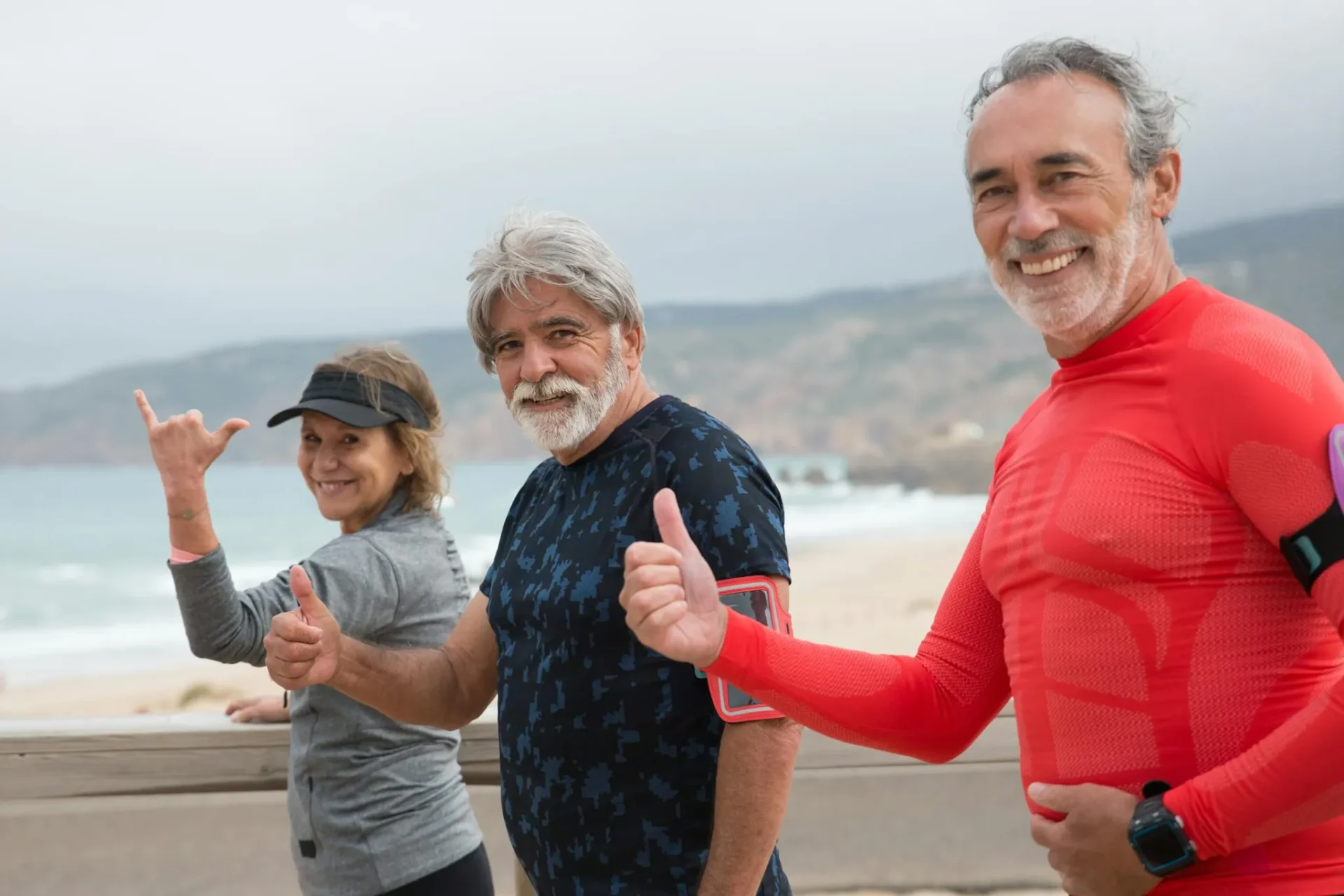

If you are wondering that how to start your workout at age 70, then you are at right place. Today I am going to share with you some effective ways to start your fitness journey.
People who start their fitness journey at an early age are less likely to suffer from heart diseases and live a longer life. Many of you might be thinking that you will be unable to get into shape in your late 50s or early 60s, but you are wrong because you have to get into the shape before your health gets affected.
“Daily exercise at age 70 may prevent heart disease at age 80.” If you don’t exercise, it’s time to start. There’s no question about it. According to a recent study, people who get regular physical activity are far less likely to suffer from cardiovascular diseases such as stroke, heart attack, and coronary artery disease. This is one of the most important things you can do to stay healthy, and it doesn’t have to be expensive or difficult. “The best thing you can do for your heart is exercise. It’s free, it’s easy, and it’s a powerful way to improve your health.”
So, here are some effective ways to get into shape and to stay fit and healthy in your late 50s.
Heart Disease and Exercise
The heart disease and exercise for age 70 are two of the most important health topics in the world today. The number of people with heart disease is increasing, and the number of people who die from it every year is also increasing. The good news is that heart disease can be prevented and treated if you know how to do it. The best way to prevent heart disease is to exercise regularly. The exercise for age 70 will help you to improve your fitness level. This will lower your risk of having a heart attack or stroke.
Exercise and the Heart
The exercise and the heart for age 70 are both good for your health and for maintaining your physical fitness as you get older. Many people think that they need to be in shape to live well into old age, but this isn’t true. There are many benefits of exercising and the heart for age 70. You’ll have better mobility, you’ll have more energy, and you’ll have a better outlook on life. Exercise and the heart for age 70 can also help reduce the risk of heart disease and stroke.
How Exercise Can Help Your Heart
- The American Heart Association has reported that daily exercise at age 70 can prevent heart disease at age
- This is great news, but you don’t have to wait until you reach that age to start getting active.
- Start now: There are many ways to get active. You can start by taking a walk around the block. You can also go for a bike ride or play a sport. There are lots of ways to get active.
- Stay active: You don’t have to do the same thing every day. Choose different activities that you enjoy, and find something that you can do every day. It doesn’t matter what it is as long as it’s something that you enjoy doing.
- Keep it up: As you get older, you might find it easier to stick to your exercise routine. However, you should still make sure you continue to exercise regularly. You don’t want to become inactive.
- Get support: If you need help with your exercise routine, you should speak to your doctor. You can ask them if there are any exercises you could do that you’re not currently doing. You can also speak to a physiotherapist or a personal trainer.
- Don’t be afraid to ask for help: You shouldn’t feel embarrassed about asking for help. Your doctor or a friend or family member could offer you some advice. They could also provide you with some helpful tips.

The American Heart Association’s Exercise Guidelines for age 70
The American Heart Association recommends that older adults participate in at least 150 minutes of moderate-intensity aerobic activity, 75 minutes of vigorous-intensity aerobic activity, or an equivalent combination of moderate and vigorous intensity each week.
- Moderate-intensity activities include brisk walking, dancing, swimming, bicycling, golf, tennis, and hiking.
- Brisk walking: Brisk walking is a great form of exercise for people who are just starting to exercise. It’s a low-impact exercise that’s easy to start with.
- Walking: You can also walk. It’s a low-impact exercise, and you can walk anywhere you like. You can use a treadmill or go for a walk in the park.
- Exercise: You can also do other forms of exercise. You can do a gym session, or you can try yoga or aerobics classes.
- Aerobic exercise: You can also do aerobic exercise. This is a great way to get your heart rate up, and it’s a good way to stay fit. You can do this at home, or you can go for a run.
- Flexibility: You can also do flexibility exercises. These are a great way to help you avoid injuries, and they’re a great way to keep your muscles flexible.
- Balance: You can also do balance exercises. This is a great way to help you stay on your feet, and it’s a great way to prevent falls.
- Water aerobics: You can also do water aerobics. This is a great way to stay cool and refreshed while you exercise. You can do it in a swimming pool or a lake.
- Dance: You can also dance. This is a great way to get your heart rate up, and it’s a great way to stay fit.
- Vigorous-intensity activities include jogging, running, soccer, basketball, football, and doubles tennis.
- The guidelines also recommend that older adults get at least two hours of strength training per week.
- Strength training helps maintain muscle mass and bone density. It can help reduce the risk of falls.
- Strength training: You can also do strength training. You’ll want to focus on your core muscles, which include your back, abdomen, and chest.
- Stretching: You can also stretch. This is a great way to loosen up your muscles, and it’s a good way to prevent soreness.
The American Heart Association recommends that older adults get at least 20 minutes of moderate-intensity physical activity on most days of the week.
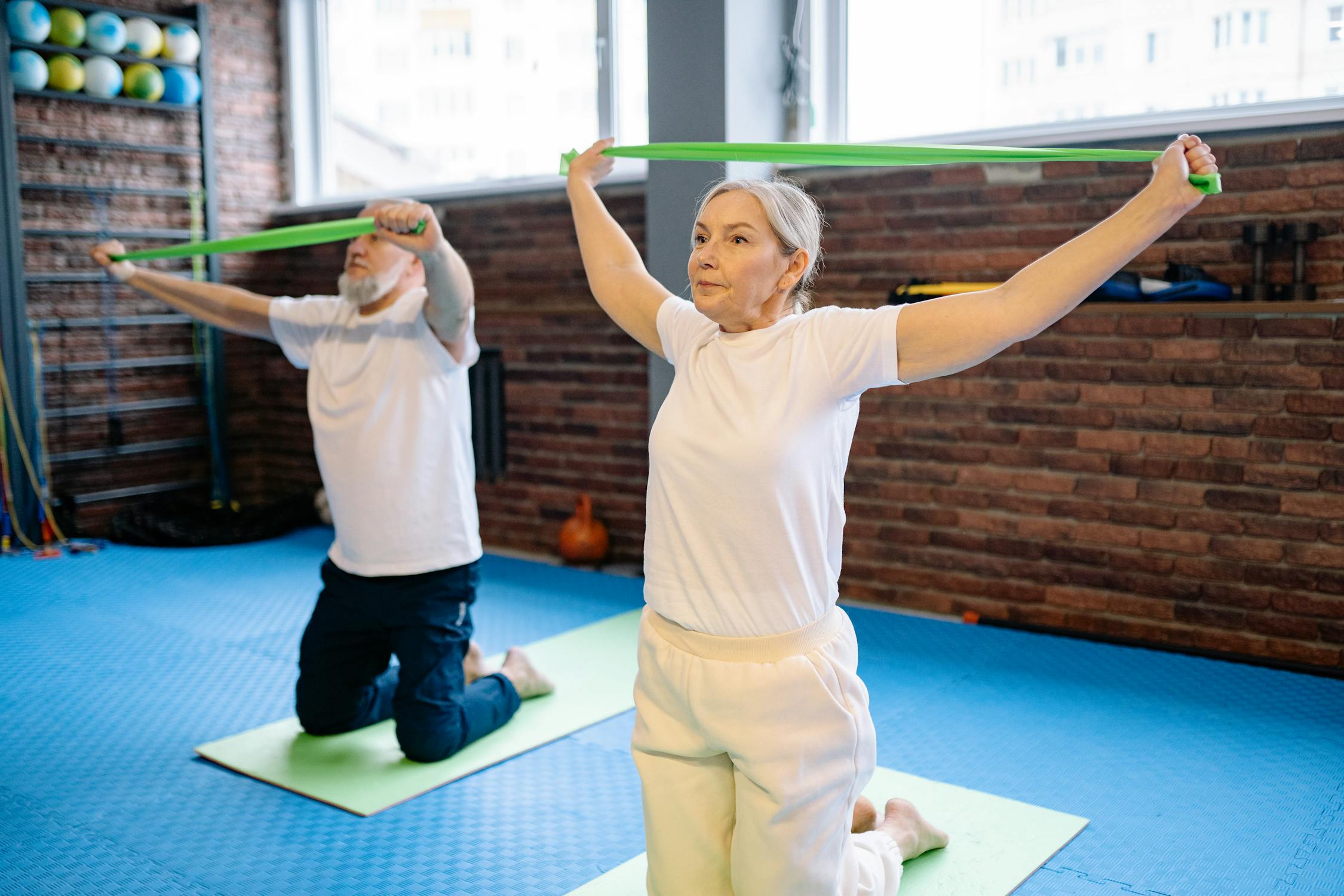
Exercise Tips for the Elderly
Walking is a great way to start exercising. It’s low-impact and low-cost, and you don’t need to have any special equipment. You can even walk in place while watching TV or listening to music.
- You can take a brisk walk outdoors, or you can walk indoors. Some people like to walk around the block, while others prefer to go farther. The important thing is to keep moving, so don’t let the length of your walk dictate how much you walk.
- If you want to increase the intensity of your walking, you can try jogging or running. Jogging is a great way to burn more calories and to build muscle. If you jog regularly, you can improve your endurance and reduce the risk of heart disease.
- If you’re feeling too tired to exercise, you can still get in a little movement. Just do a few minutes of low-impact exercises. You can start with walking and gradually increase the amount of time you spend exercising.
- If you have trouble walking, you can use a cane, a walker, or a wheelchair. You may need to use a cane for a few weeks to learn how to walk with it. Once you’re comfortable with using it, you can use a walker or a wheelchair instead.
- If you have arthritis, you can do simple stretching exercises. Stretching helps to increase flexibility, which helps to relieve pain and discomfort. You can do these exercises anywhere, even at home.
- You can also do resistance training, or weight lifting. This can help to build muscle and improve your strength. You can lift weights with your arms, your legs, or your whole body.
- If you don’t have any problems with your joints, you can do aerobic exercise. Aerobic exercise is the most common type of exercise. It’s a low-impact activity that gets your heart pumping. You can do aerobic exercise by walking, running, swimming, biking, or dancing. You can also use a treadmill or an elliptical machine.
- If you have diabetes, you can do aerobic exercise as well. However, you should work with a trainer or doctor to find out which type of exercise will be best for you.
final Thoughts on Daily exercise at age 70 may prevent heart disease at age 80
In conclusion, it’s not surprising that exercise has been linked to a lower risk of cardiovascular disease. In fact, the American Heart Association recommends 30 minutes of moderate aerobic activity on most, if not all, days of the week. The benefits of regular exercise are clear: it helps you maintain a healthy weight, reduces the risk of diabetes, and lowers blood pressure and cholesterol levels.