

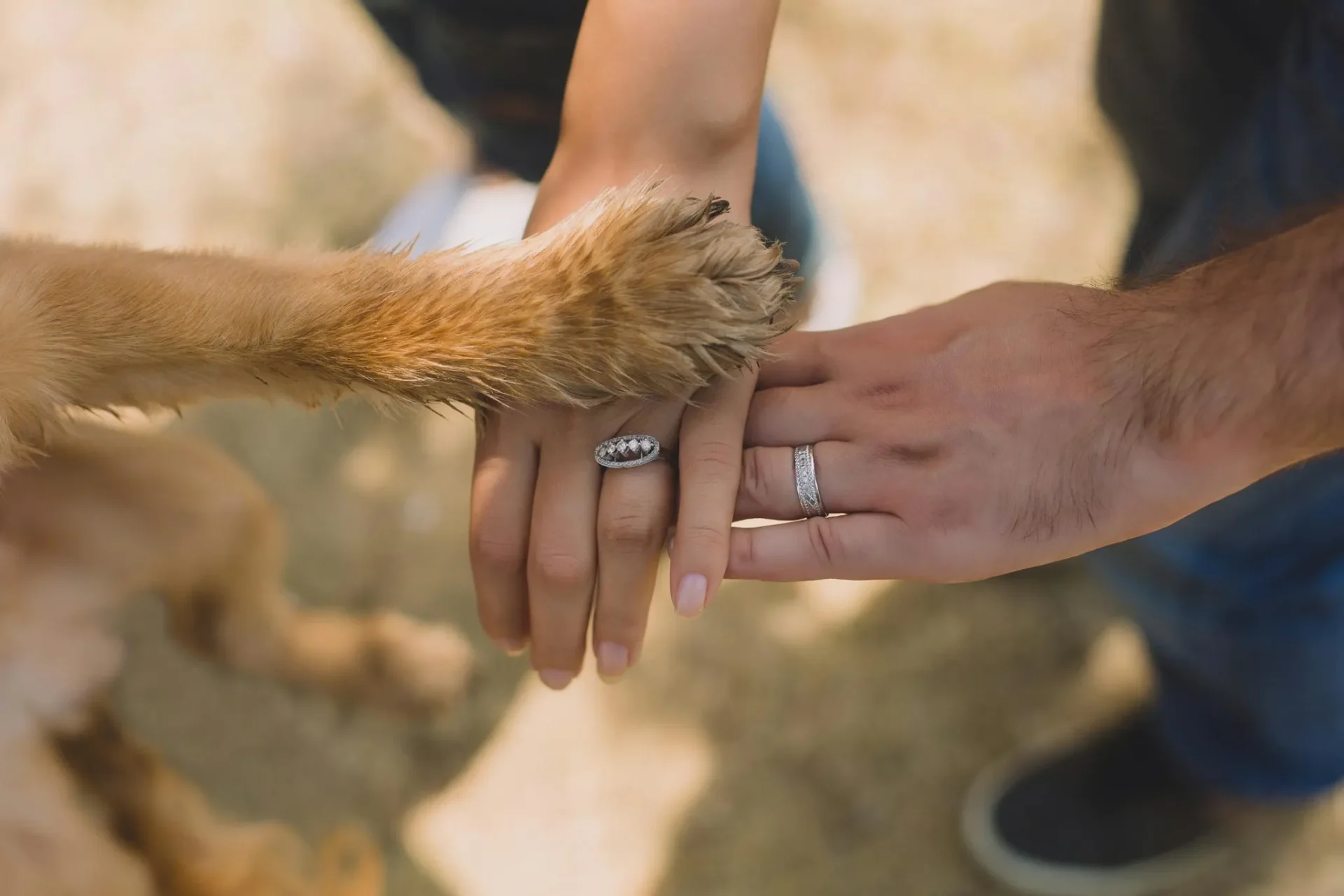

Can I Use Hand Sanitizer On My Dog’s Paws?
Many people have heard that using hand sanitizer can be toxic for pets. While it is true that many hand sanitizers contain alcohol (ethanol), ingesting a large amount of this product can be fatal for a pet.
However, the veterinary advice is that it is not harmful for your pet if they lick or sniff your hands after you’ve used it. Small licks or snuggles from your dog will not hurt them, but you should wait for your hands to dry.
Ingestion
Over the past six months, there has been a huge spike in hand sanitizer use. Everyone wants to keep their hands clean, especially with the novel coronavirus pandemic in full swing, and people are racing to their local stores to stock up on this handy product that has been so helpful in preventing the spread of germs.
While the good intention is there, using hand sanitizer on a dog’s paws can be quite dangerous and may cause severe skin or paw damage that will be very painful for your dog to deal with. Alcohol is the main ingredient in many hand sanitizer products and can be very drying for your pet’s paws and skin.
A lot of people are rubbing this product into their dogs’ paws, but it is important to know that if your dog accidentally consumes it, it can be poisonous. The Food and Drug Administration warns that some hand sanitizers contain methanol, which is toxic if consumed and can be fatal for pets.
The good news is that you can avoid this danger by making sure to use a hand sanitizer that contains at least 60% alcohol. The FDA also recommends that you read the label on all sanitizer products to make sure they aren’t contaminated with methanol.
It is also a good idea to keep hand sanitizer out of reach of children, especially very small ones. These products can be highly toxic to young children and should not be licked or eaten by them, according to the FDA.
Some scented hand sanitizers contain essential oils that are enticing to pets and humans and they can attract your dog or cat. This can be especially dangerous for pets because these oils can be very toxic and can be absorbed through the skin or gastrointestinal tract.
It is best to simply not use hand sanitizer on your pet’s paws, and if you do need to clean them, do so by running water and using a mild detergent or baby/pet shampoo. Then dry them thoroughly with a towel. This will prevent your dog from licking the sanitizer off and possibly causing serious damage to their paws.
Inhalation
Hand sanitizer is used to disinfect hands and other surfaces, especially in public places. But it can be a hazard for dogs if they get their paws on it, as it can be toxic to them.
Most hand sanitizers contain alcohol (ethyl or ethanol) which is a solvent, meaning it is able to dissolve things. However, many types of alcohols are harmful to humans and can be toxic for pets if they are ingested or rubbed on skin. Some of these toxic alcohols include methanol, wood alcohol, methyl alcohol and 1-propyl alcohol.
The CDC warns that some types of hand sanitizers may be contaminated with these toxic alcohols. This is particularly true of products containing methanol or wood alcohol. If you have any hand sanitizers that are not labeled as not being contaminated with methanol, then discard them immediately.
Fortunately, the majority of hand sanitizers do not contain methanol or wood alcohol because these are toxic to people and animals. These types of alcohol are mainly found in alcoholic drinks, rubbing alcohols, liquid medications like cough syrup and some raw rising yeast-based medicines.
Ethanol ingestion can also result in alcohol poisoning in pets, which is not as severe or life-threatening as methanol or wood alcohol intoxication. Signs and symptoms of ethanol intoxication include behavior changes, depression, vomiting, difficulty breathing, diarrhea, low blood sugar and stomach upset.
Ingestion of hand sanitizer can also cause alcohol poisoning in cats and dogs because they are smaller than people, making them more susceptible to the effects of the toxic substance. The symptoms of ethanol intoxication are the same as those of alcohol poisoning in humans, and they can be life-threatening if not treated quickly.
A three-year-old Samoyed dog, for example, chewed a bottle of hand sanitizer and developed alcohol poisoning. It was rushed to the vet where it was given intravenous fluids and medication to help with its breathing, according to BluePearl Specialty and Emergency Pet Hospital.
Because of this, it is essential to keep a close eye on your pets when they are around other people or if you have children who play with them. Keep all bottles of hand sanitizer out of reach of your pets and store them in cupboards or other hard to reach areas.
Contact with Eyes
If you’re wearing contacts, it’s important to clean your hands thoroughly before putting in them. This can prevent you from getting any germs or bacteria on your hands, which could spread to your eyes.
You can also use hand sanitizer to clean your hands before putting in your contact lenses, but you need to make sure that the product you’re using is alcohol-based and contains at least 60 percent alcohol. That way, you won’t burn your eyes after putting in your contacts.
One of the most common causes of burning after putting in your contacts is that something like soap or lotion was on your hands when you put them in. You should wash your hands with running water and make sure they are completely dry, Alisha Fleming, O.D., an optometrist at Penn Medicine tells SELF.
Another reason you might feel a burn after putting in your contacts is that something is stuck on the surface of your lens. It might be an eyelash, a dust speck, or even makeup that’s gotten stuck on your lens and is making it irritated.
Lastly, you might be getting the red eye known as CLARE (contact lens-induced acute red eye). This occurs when bacteria that would normally be flushed out of your eyes by blinking gets stuck on your contacts and causes irritation.
These toxins can cause a painful, swollen red eye that’s very uncomfortable. Your eye doctor might prescribe steroid drops to help ease your symptoms.
If you’re wearing contacts, don’t swim in a pool or hot tub while they are in your eyes. This can lead to infections that are very difficult to treat, according to the Centers for Disease Control and Prevention.
It’s also important to never reuse your contact lens solution. Using the same solution twice can allow bacteria to grow, which may lead to a painful, red eye called keratitis.
Your contact lens can become infected with a tiny parasite, called acanthamoeba, that live in tap water and swimming pools. This parasite can cause a very bad infection that can lead to blindness, the CDC says.
Burns
Dog paws can handle a lot, and if they aren’t cared for properly, they can be in pain. They can also be infected, which is why you should check them for signs of a burn as soon as you notice one.
There are many reasons why your dog’s paws can get burns, such as when they step on hot asphalt or walk on cold sidewalks. Even if they’re not hot, chemicals used to melt ice can also harm your dog’s paw pads.
When you notice your dog’s paws are painful or have discoloration or blisters, contact your veterinarian immediately. They can treat the injury and prescribe medication that will help your dog recover quickly.
If you don’t see your vet immediately, you can also make a DIY foot soak to wash away dirt, debris and bacteria. The water should contain half a cup of vinegar or cooled tea. It will also soothe your dog’s paws and disinfect them.
Another good option is to purchase a dog-safe paw balm or antibiotic ointment that will relieve inflammation and heal the wound. These are available in most pet stores.
The ointment should be applied to the pad, but do not rub or massage it into your dog’s skin. You want to keep the wound clean and dry as much as possible, so be sure to gently pat it with a towel or paper towel when you are done.
Some hand sanitizers are made with methanol, which is toxic to dogs and cats. They may cause a variety of symptoms, including loss of balance, confusion, vomiting, coma and even death.
Fortunately, most hand sanitizers are safe for your pets to use, according to the FDA. However, there have been reports of hand sanitizers that have tested positive for methanol, so it is important to read the product label before using any sanitizer on your pets.
Several posts on social media warn pet owners not to touch their pets after using hand sanitizer, because it can poison them. While this is a common misconception, the reality is that it’s not true.

Did you miss our previous article…
https://expertsguys.com/understanding-your-pets-body-language/