So Why Is Not Hydroponics Taking Over the Food Industry?
So Why Is Not Hydroponics Taking Over the Food Industry?
There are many advantages to growing your crops using hydroponic methods. In addition to producing healthier plants, it also uses less water and is much easier to maintain than soil-based gardening.
However, there are some challenges that come with hydroponic gardening that can make it a frustrating hobby. This article will explore some of the most common issues and how to avoid them.
1. It’s a lot more expensive
So Why Is Not Hydroponics Taking Over The Food Industry?
With more people embracing healthier lifestyles, the need for fresh, local and organic produce is becoming more common. And hydroponic farming addresses this need by allowing farmers to produce crops right from their homes, without the use of soil.
Moreover, it is also an environmentally-friendly option that conserves water. This is because the plants grow in nutrient solutions, which are recirculated and reused. It can also be grown indoors, which allows for year-round production.
However, it is also a lot more expensive than traditional methods of farming. There are many factors that can impact the price of a hydroponic setup, including the size of the garden and the type of system you choose.
One major reason for the higher cost of hydroponics is the initial equipment needed to set up and maintain it. This equipment includes containers, lighting, an accurate timer and quality nutrients.
This is a huge upfront expense and it can be a good idea to consider whether or not you’re willing to shell out a huge chunk of your savings for this kind of venture.
Another factor that can make it expensive is the recurrent expenses that you will need to pay for. These costs can include things like LED grow lights, nutrient solution, and electricity to power the systems.
It’s important to keep in mind that while this is an initial cost, it will be paid off over a period of time and will only be incurred as long as you are using the system.
If you are looking to grow a few tomatoes, cucumbers or lettuces, it may be more affordable to go with a lower-tech system such as bag culture. However, if you want to grow a large amount of crops, it’s likely that a more advanced system will be better for your needs.
While it’s true that hydroponics is more expensive than other methods of growing crops, there are many benefits to it. In addition to the aforementioned benefits, it is an excellent way to save water and avoid the need for pesticides. It is also a great alternative to traditional farming in areas with droughts or low soil quality.
2. It’s hard to get started
So Why Is Not Hydroponics Taking Over The World
Hydroponics is the process of growing plants in water, without soil. It originated in the 1600s and is now one of the fastest growing forms of agriculture. It is a great way to provide fresh food to drought-prone areas where soil quality is an issue.
The process is easy to learn and uses minimal water and energy, which means it has a positive impact on the environment. It also provides an opportunity to sequester carbon and replenish the land, which is a key goal of regenerative agriculture.
It is also a lot easier to manage than traditional agricultural methods, which is especially important for small-scale farmers who don’t have the resources to maintain a large-scale farm. It also allows for more flexible production schedules, which can improve productivity and reduce costs.
As a bonus, hydroponics is also more eco-friendly than soil-based farming since it uses less water, and can recycle nutrients to help keep your plants healthy. It is a great solution for those who are interested in trying a new and more sustainable farming method, or just want to grow their own produce at home.
This system uses a pump to push water around your plant’s growing medium, and a timer to control the flow of the nutrient solution. It is a popular choice for home gardeners who are starting out with hydroponics, but it is not the best option for larger plants.
The most efficient method is probably the Ebb and Flow style, which uses a timer to control the flow of water. This allows for the most water-efficient irrigation system, and it is also the simplest to install.
3. It’s a lot more complicated
So Why Is Not Hydroponics Taking Over The Farming World?
In this farming method, plants are able to absorb the nutrients they need without soil. Instead, a nutrient solution is mixed with water and then circulated around the roots of the plants. This enables plants to absorb the most nutrients in the most efficient way possible.
Another major benefit of hydroponics is its ability to produce crops year-round, regardless of climate. This is especially important in areas with a lack of water due to droughts.
The nutrient reservoir is also reused for multiple crops, resulting in very little waste. This allows for a large scale operation and lower energy costs.
To get the most out of a hydroponic system, growers need to be well-versed in chemistry and plant production. They also need to understand the physics behind growing crops in water and know how to monitor and control their systems.
A good hydroponics system should have a plethora of features, including a variety of lighting options and a nutrient-supply system that can meet the needs of any crop. While it’s not necessary to have all of these features, they should be in place to maximize productivity and increase yield.
For many growers, the best way to find out which hydroponics system is right for them is to speak with a knowledgeable hydroponics specialist. This person can help you determine which system is best for your specific needs and teach you how to use the equipment efficiently and safely. This will save you money in the long run and allow you to maximize your return on investment. It is also a great way to learn about the latest and greatest in hydroponics technology and see how it can improve your crop production efforts.
4. It’s a lot more time consuming
So Why Is Not Hydroponics Taking Over the World?
The biggest reason that most people haven’t seen hydroponics take over the world is because it’s a lot more time consuming than other methods of growing crops. To grow a 25,000 square foot plot of soil, you’ll need seeds, fertilizer, an irrigation system, and maybe some hand tools, but that’s just the beginning. You’ll also need to build a building and install pumps, tanks, controls – like cameras and a software system that monitors your plants – and a supplemental lighting system.
You’ll also need to clean your equipment often if you want to keep it running smoothly and avoid clogging or buildup. And you’ll need to be sure that your nutrient solution is always a balanced blend of all the essential nutrients.
In addition, hydroponic systems need constant monitoring to ensure that they are not wasting water or that the nutrient solution isn’t damaging the plants. You’ll need to check for leaks, make sure your nutrient solution is always the right mix of water and nutrients, and monitor for pump failure.
Another reason why hydroponics is a lot more time consuming than other farming methods is because it requires a higher level of micro-management than traditional gardening. This includes monitoring a wide range of factors, including lights, temperature, and pH levels to maintain a healthy growing environment.
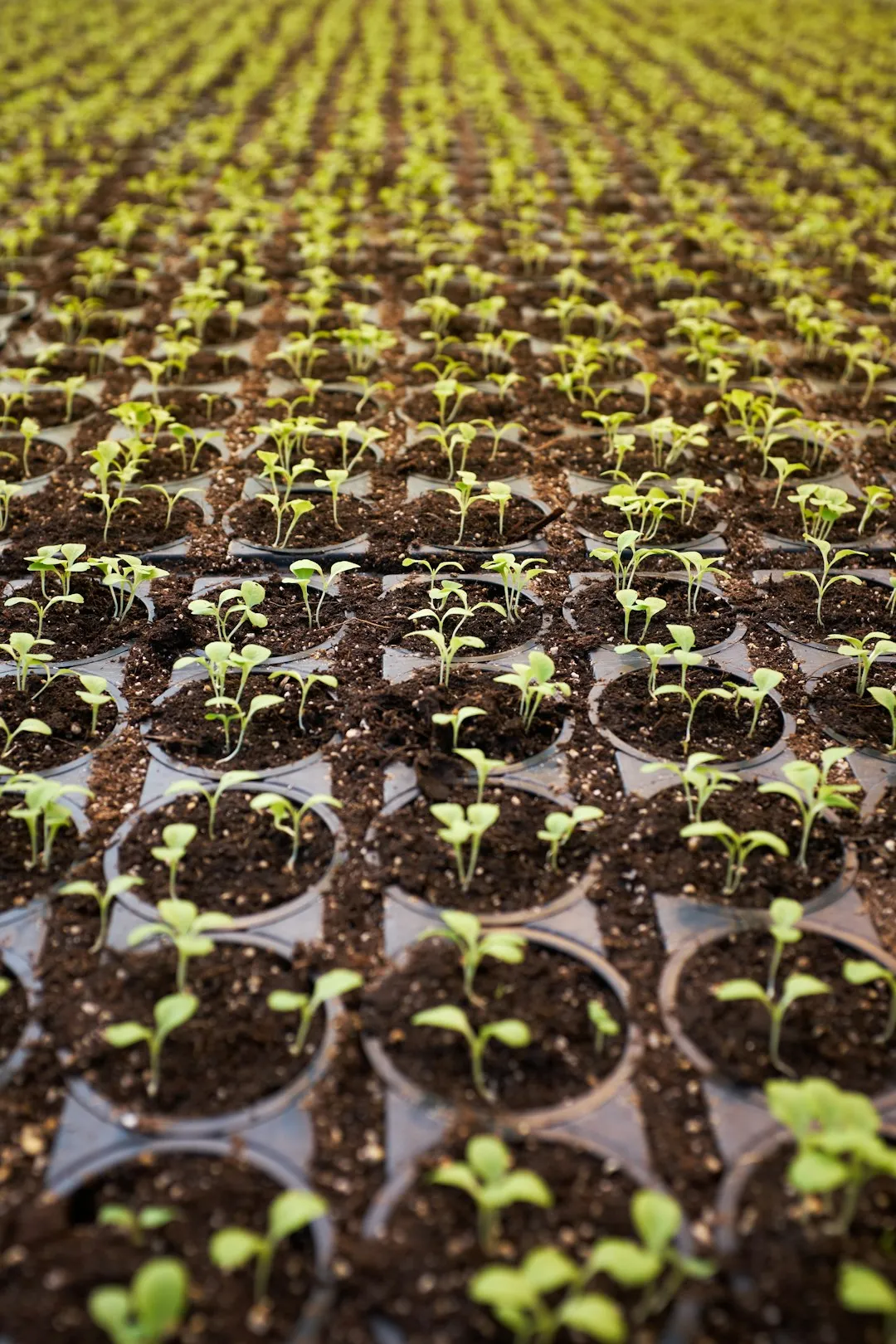
There are a few different methods of hydroponics, but they all involve growing plants in trays filled with nutrient-rich water that recirculates throughout the system. Some systems use a nutrient film technique that pumps a thin stream of water over the plant’s roots and then recirculates it back into the reservoir to be reused, while others use an ebb and flow method where a continuous stream of water floods the roots and is emptied into the reservoir again.
While ebb and flow systems do require more attention to the water, they can be very effective at growing high-quality plants. This is because you’re able to control the amount of nutrient you add to the water, which helps you get the right mix of nutrients for your plants.