

Artificial Intelligence is powerful – but with great power comes risk.
AI systems today influence hiring, healthcare, banking, policing, social media, and even elections.
This guide explains the ethical issues, risks, and safety frameworks behind modern AI.
Why AI Safety Matters
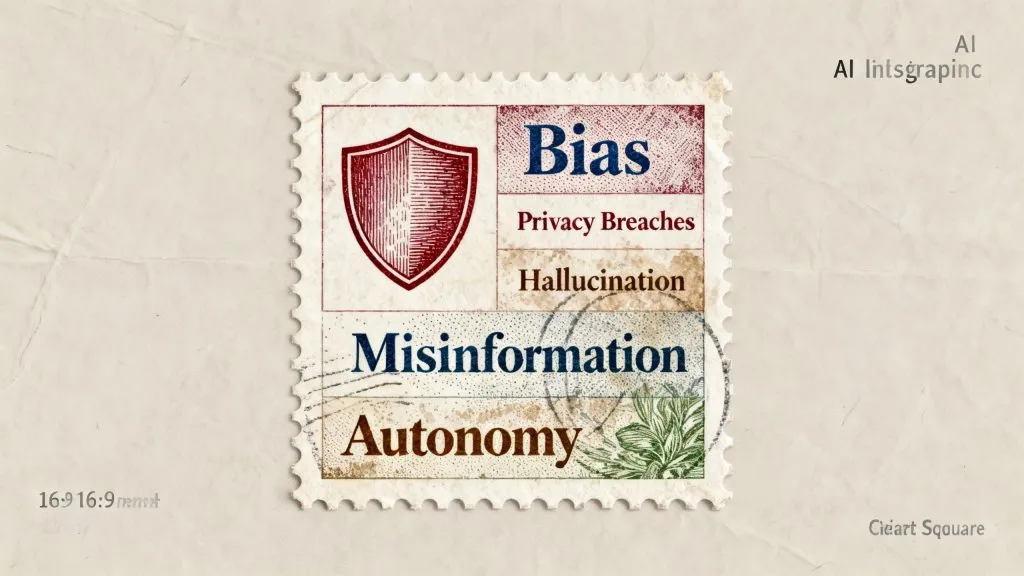
AI is shaping:
- Public opinions
- Financial systems
- Medical decisions
- National security
- Workplace automation
Without proper safeguards, AI can:
- Spread misinformation
- Produce biased outcomes
- Violate user privacy
- Enable surveillance
- Cause unfair decisions
Key Ethical Concerns in AI
1. Algorithmic Bias & Fairness
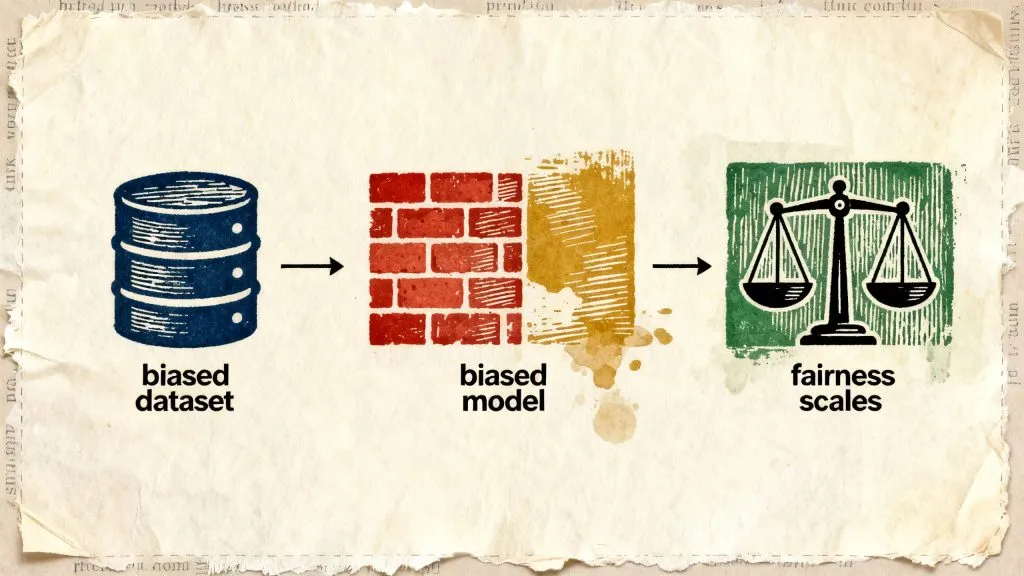
AI may unintentionally discriminate based on:
- Race
- Gender
- Age
- Location
- Income
Examples:
- Hiring filters excluding certain demographics
- Credit systems rejecting applicants unfairly
- Facial recognition accuracy issues
2. Lack of Transparency (Black Box Problem)
Deep learning models cannot fully explain:
- Why they made a decision
- How inputs were transformed
- What internal reasoning occurred
This is dangerous for:
- Healthcare
- Finance
- Autonomous vehicles
- Law Enforcement
3. Privacy & Data Protection Risks
AI systems require LOTS of data.
This raises concerns:
- Data leaks
- Unauthorized data collection
- Mass surveillance
- Tracking users across platforms
Governments are responding with laws like:
- GDPR
- CCPA
- AI Act (EU)
- Data Protection Bills (Asia)
4. Deepfakes & Misinformation
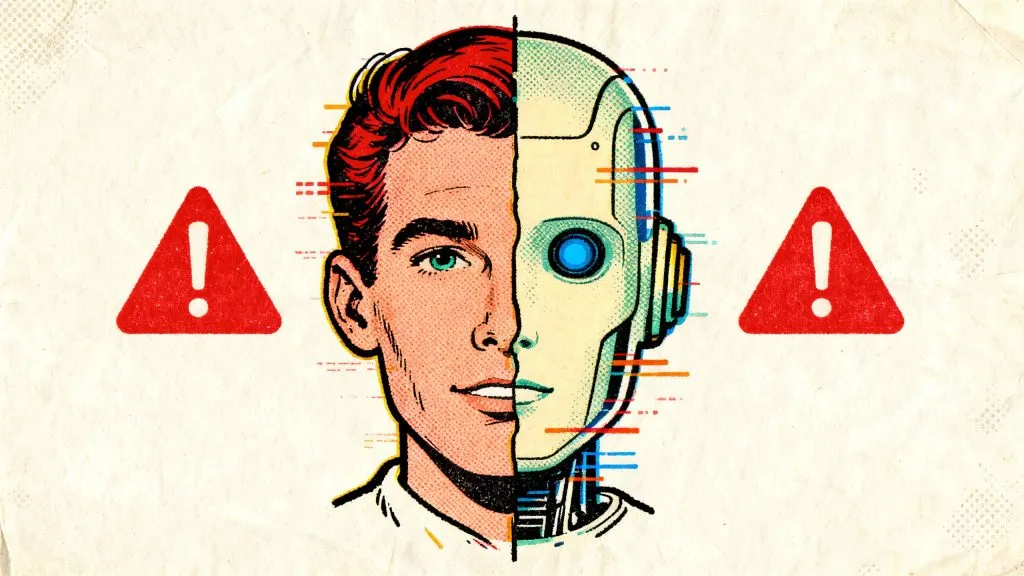
AI can generate:
- Fake voices
- Fake videos
- Fake political speeches
- Fake articles
This can:
- Manipulate elections
- Damage reputations
- Cause financial fraud
5. Job Displacement & Economic Impact
AI will automate:
- Administrative tasks
- Data analysis
- Customer support
- Logistics
- Manufacturing
Jobs will shift toward:
- AI operators
- AI trainers
- Data governance
- Robotics maintenance
AI won’t take your job – Someone using AI will.
AI Safety Frameworks (How We Protect Society)
Governments, companies, and researchers are building safety rules:
1. Transparency Requirements
AI systems need to disclose:
- When content is AI-generated
- How data is used
- How decisions are made
2. Model Audits & Testing
Before release, AI models undergo testing for:
- Bias
- Reliability
- Safety
- Security vulnerabilities
3. Human-in-the-Loop Systems
Critical decisions must include humans:
- Medical diagnosis
- Financial approvals
- Judicial systems
- Security systems
4. Alignment & Value Safety
Researchers aim to ensure AI:
- Behaves according to human values
- Avoids harmful behaviors
- Understands ethical boundaries
Future Outlook – The Next 5 Years
AI safety will involve:
- Stricter global regulations
- Real-time AI detection tools
- Deepfake prevention systems
- AI content watermarking
- Mandatory audits for big models
- Ethical certifications
AI will grow – But AI will grow with rules.
FAQ – Common Questions About AI Safety
Why is AI safety important?
AI safety is important to ensure systems do not cause harm, violate privacy, amplify bias, or create unintended consequences that affect individuals or society.
Is AI dangerous?
AI technology itself is neutral. Risk arises from misuse, flawed design, insufficient oversight, or deployment without proper governance and safeguards.
How do we keep AI safe?
AI safety is strengthened through regular audits, transparency in model design, ethical development standards, strong data protection laws, and consistent human oversight.
Who regulates AI?
AI regulation involves national governments, international policy bodies, technology companies, academic institutions, and independent research organizations working together to establish standards and accountability.