
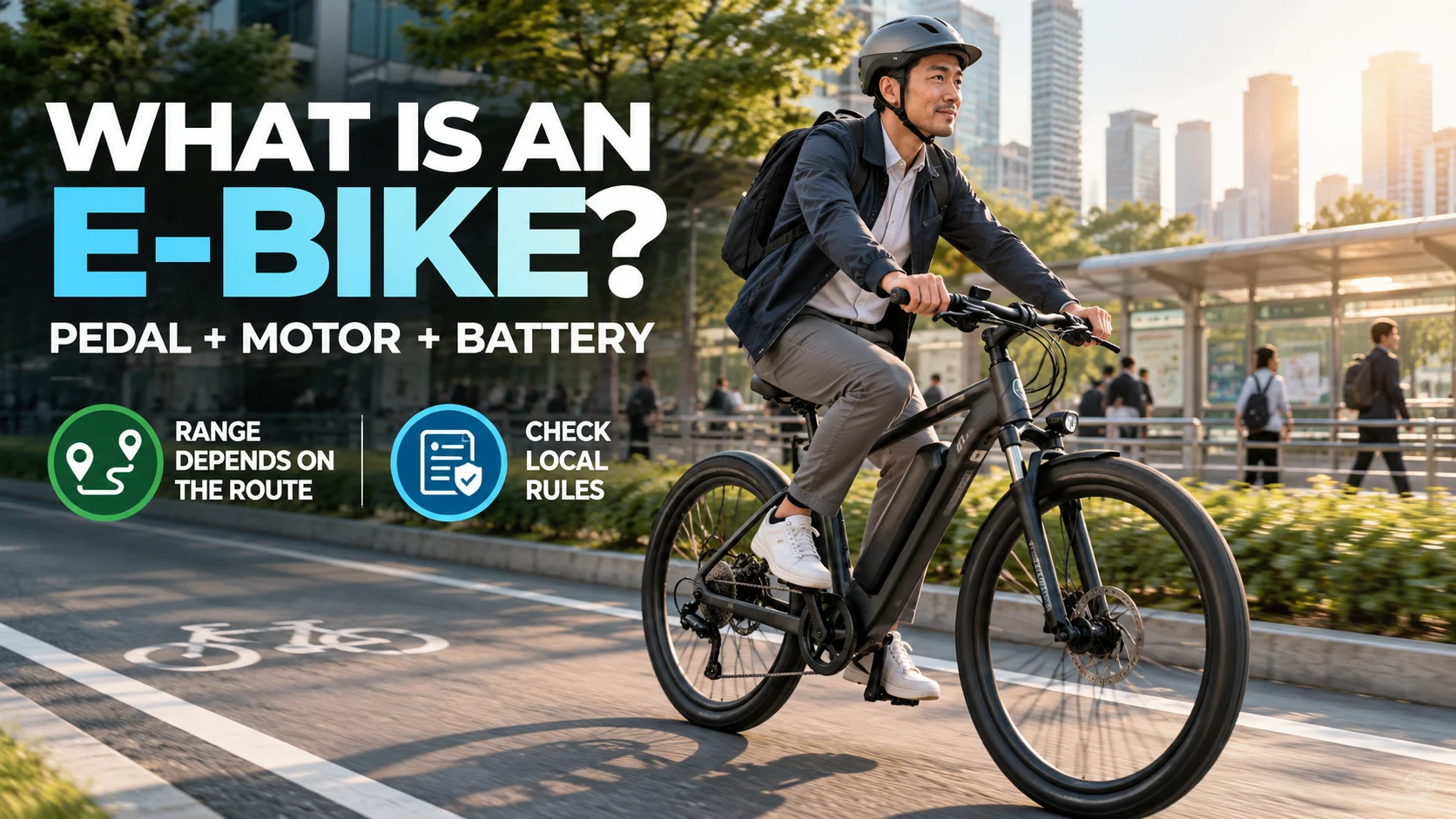

Understanding Electric Bikes E-Bikes for Everyday Commuters
If you are an everyday commuter, chances are you may not yet know about e-bikes (electric bicycles). But these emerging modes of transport are becoming increasingly popular among city residents who desire a simple yet cost-effective means of transportation that’s environmentally sustainable as more people realize the advantages of opting for an e-bike instead of driving cars.
Health Benefits of E-Bikes While you may love your car, its emissions contribute to climate change, air pollution and noise pollution; plus they take up space, require parking fees and can often be expensive to run. E-bikes offer many health and environmental advantages that rival that of their fossil-powered counterparts.
At its core lies an immense opportunity for both health and environmental benefits when considering cycling as an option over driving a car. A bike not only makes your commute faster; its motor also helps you maintain good cardiovascular fitness and avoid excess fat accumulation which could potentially pose health problems down the line.
Electric Bikes as the Pedal Assist You Need
For residents of hilly or difficult terrain, an e-bike can make life simpler by offering that little bit of extra power you need to tackle each challenge more effectively. Its motor can assist in climbing mountains or through city streets with tight twists and turns; its assistance also comes into play when slowing or stopping due to traffic delays or stoplights.
Your level of assistance can also be customized based on your cycling ability and fitness level, with some e-bikes offering a boost button for when an extra burst of energy is necessary.
Safety Features
In contrast to standard bikes, e-bikes typically feature built-in sensors that can detect obstacles on the road and turn off their motor when too close. Some may also come equipped with bells so as to alert other drivers or pedestrians that you’re on your journey.
As you pedal, an e-bike’s electric motor will boost your speed to a certain point before slowing or stopping altogether, providing extra energy and fun while shortening commute times while giving more freedom to stop whenever needed. This feature makes commuting easier while giving more freedom for enjoyment on every journey.
Bicycling can also provide an effective means of exercise – especially if you commute longer distances or face steep hills that you might not be prepared for. A bike usually lasts much longer than cars do and enables multiple trips per day without worrying too much about battery drainage.
Not As Reliable as a Car
Many of the bikes on this list feature high-quality motors that won’t malfunction and cause sudden stops or stops, unlike cars. When shopping for an electric bike, always read reviews from other riders as well as check for manufacturer warranties before making a final decision.
Better Health: Living a healthy lifestyle that includes regular physical activity has many proven advantages for mental wellness. Regular physical activity can improve mood, relieve stress and enhance sleep quality – all factors essential to good mental wellbeing.
How Do Electric Bikes Work?
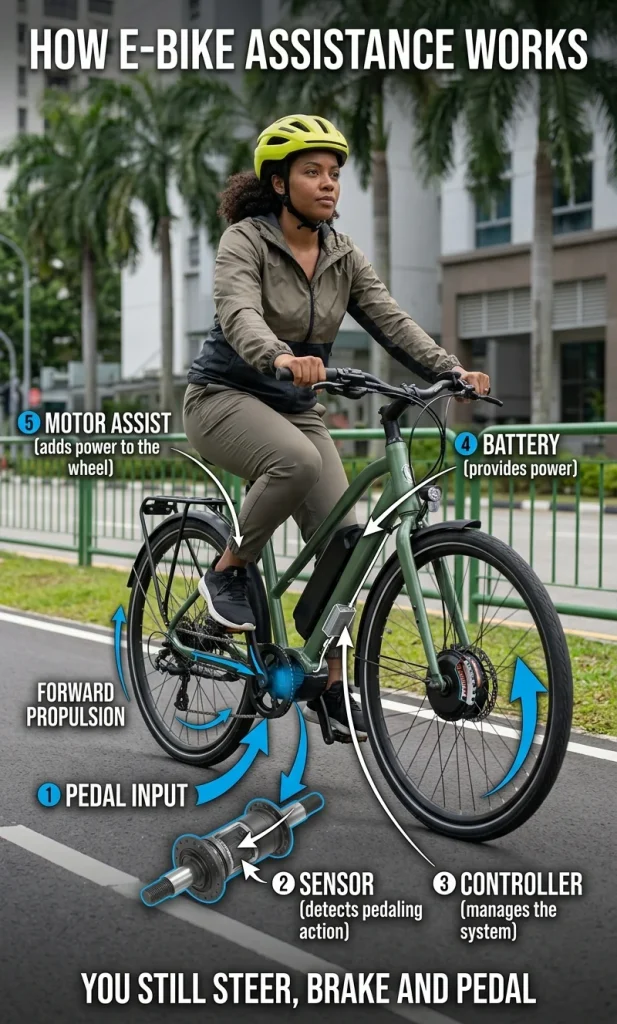
E-bikes use an integrated hub motor and battery system to convert mechanical energy from pedaling into electrical energy for use by an integrated hub motor and battery system.
The motor consists of a rotor and stator that are connected by an electromagnet to receive current from the battery pack.
The electromagnets in the stator repel and attract the magnets on the rotor, which causes it to spin freely – creating torque which provides pedaling assistance.
Integrated Hub Motor and Battery System
An e-bike’s integrated hub motor and battery system convert mechanical energy from pedaling into electrical energy for rider to use as they pedal for speed. This helps achieve desired speeds more easily.
Most e-bikes utilize hub motors mounted within either the front or rear wheel hub; some models utilize dual hub motors; however, these instances are very uncommon.
Hub motors come either geared or direct drive. Geared hub motors utilize internal planetary gears to reduce RPM of the motor and increase its efficiency, while direct drive hub motors use direct current (DC).
Direct drive hub motors tend to be smaller, lighter and more cost-effective than their induction counterparts. They may also require less maintenance.
Some hub motor ebikes feature cadence sensors to track pedaling cadence and activate the motor when necessary; other models rely on rider input to turn on/off their motors.
Cadence sensors are less costly and only need the pedals moving to activate motor assistance; however, torque sensors offer greater precision by activating motor assistance after each fractional turn for greater efficiency.
Mid-Drive Motors
Mid-drive ebikes utilize a motor that powers their drivetrain, turning cranks and shifting chains, chains, and the rear wheel.
Mid-drive motors feature torque sensors that enable them to tailor pedal assist depending on how hard you pedal. Some ebikes also include cadence sensors which measure pedaling speed and adjust power accordingly.
Hub motors must power each wheel directly, leading to increased wear on chain links and ultimately faster wearout rates. This provides significant advantages over hub motors which must power them directly, thereby shortening chain wear time considerably.
Mid-drive motors feature a lower center of gravity than their counterparts, making the bike feel more stable at low speeds and helping protect against frame damage.
Front-Wheel Drive
Front-wheel drive systems are the most commonly found on electric bikes, being simple and cost-effective options for drivetrain systems.
Front wheel drive vehicles are less costly to make and maintain, using power more efficiently, and conserving fuel more effectively than their counterparts, making them ideal for everyday riders looking for an uncomplicated e-bike capable of managing both city riding and occasional country excursions.
Such bikes are also great choices for riders who enjoy speedy city riding as their front end becomes heavier, making hills easier to conquer.
Additionally, motorized bikes require less maintenance since their motor is physically separated from other components on the bicycle, making it easier to replace spare parts and keep your ride running smoothly.
Prior to making a choice between different types of electric bikes, it is essential that you understand their unique limitations. Front-wheel drive electric bikes may be best suited to everyday riders who focus on riding paved roads without requiring complex e-bikes for daily transportation needs.
Rear-Wheel Drive
Electric bikes are an increasingly popular addition to the cycling industry. Providing riders with faster, farther and longer journeys without fatigue, there are various styles, motor sizes and price points available – offering riders something suitable for every cyclist’s style and budget.
First and foremost, choosing an e-bike that best meets individual needs and usage scenarios can be daunting, yet essential to making an informed decision.
Assuming you commute by e-bike, for instance, it would be beneficial to choose an e-bike equipped with a powerful motor and fast speed to keep up with traffic and get you to work in time. In addition, take into consideration your riding range as well as pedal power for steep hills if possible.
Mountain bikers tend to favor rear wheel motors that offer superior traction and stability on slippery trails; front hub motors may not provide sufficient traction control.
Key Features of Electric Bikes
Electric bikes provide an alternative form of transportation that has some key features to make riding more convenient and safe. We’ll explore key specifications such as motor wattage, controller settings, battery capacity capacity and max speed capabilities that impact performance.
E-bikes are often more comfortable to ride due to being lighter than traditional bikes and feel nimbler and easier to conquer hills.
Motor Wattage
Motor wattage plays a significant role in how well an e-bike performs; higher numbers mean stronger motors and vice versa.
Wattage of an electric bike is measured in both volts (V) and amps (A), which the battery provides to its motor. To calculate this number, multiplying battery voltage with maximum current that flows from battery to motor will provide this value.
In most countries, the continuous power output of an e-bike motor must not exceed 250 watts; however, many can provide significantly more power during short bursts such as climbing hills.
Peak power refers to an electric bike’s highest possible wattage output and should be chosen when riding long distances or climbing steep hills. Most e-bikes offer both continuous and peak wattage modes; peak power may prove more helpful than continuous when faced with such terrain.
Calculating peak wattage requires multiplying the battery voltage times the maximum amperage available from its motor controller. Most e-bike batteries operate at 36V while their respective controllers may provide up to 18 amps; thus the peak power available by these e-bikes often far surpasses their continuous wattage rating.
An alternative way of measuring motor power is calculating its peak torque – that is, the maximum force a motor can produce without overheating.
Peak power is also an accurate way of measuring power on an e-bike motor and should be used instead of its wattage rating, since peak power does not factor in controller and battery components which have far more of an effect than their weight rating on how your bike feels when being ridden. Furthermore, peak power does not accurately represent what an e-bike motor’s full potential is.
Controller Settings
Your e-bike controller settings provide you with an opportunity to personalize its operation, and selecting appropriate settings could improve performance overall.
These settings are vitally important to how your e-bike operates and should not be overlooked. While some settings may seem straightforward and straightforward, others can be more complex to comprehend.
These settings are generally intended to make an e-bike safer and more efficient, and ensure you achieve peak performance from it.
An average controller offers several settings that can be easily adjusted using + and – buttons located at the back. They’re conveniently placed near its display screen.
Some settings can make an impactful statement about how well and long your e-bike performs, including its throttle input voltage fault detection threshold, PAS start strength and motor assist sensitivity settings.
Throttle input voltage fault detection threshold sets the minimum value at which CA will detect a throttle signal fault, typically 0.15V higher than operator throttle voltage. This setting is especially beneficial in older EV’s that may experience electrical noise or drift in their throttle signal input.
PAS start strength is the measure of how strongly your e-bike’s motor starts up when you step on its pedals, and can range anywhere from 0-24 depending on which mode of assistance and personal riding speed mode is chosen.
Motor assist sensitivity describes how much assistance a motor provides when pedaling. It typically ranges from 0-24 and will become increasingly effective as you pedal hard or carry heavy loads.
Battery Capacity
Battery capacity in an e-bike depends on various factors, such as energy requirements and amp-hours and voltage. Other considerations are weight of rider and how often bike is being used.
Watt-hour ratings (Wh) provide an indicator of battery capacity. A higher Wh capacity indicates that it can deliver more power over an extended period, providing you with increased productivity.
Size of battery should also be an important consideration, with larger-capacity batteries typically being heavier and larger, creating additional challenges if planning long rides with your e-bike.
A larger battery can help you cover more distance on a single charge due to being able to store more energy and thus being recharged more rapidly than smaller models.
Batteries with higher watt-hour ratings tend to cost more than those with lower ratings, but their extra power can help you reach your destination more quickly and efficiently. Just be sure to invest in quality batteries to achieve optimal performance.
Voltage refers to the difference in electrostatic potential between two sites and is measured in volts or joules per second (J/s). As voltage increases, electrons move more quickly through the system allowing more efficiently functioning motors to work harder.
Amps or amperes measure current flow; in electric bicycles, more amps correspond with greater motor strength and speed.
Ideally, when searching for the highest capacity battery pack available, opt for one with both high watt-hour ratings and ampere-hour ratings – this will make sure that your bike operates better while remaining more durable.
Max Speed Capabilities
Electric bikes can be an exciting and convenient way to navigate city streets or explore off-road terrain. Additionally, commuters may use them as an affordable mode of transport during commutes. Before purchasing one of these electric bikes however, customers may wish to know its top speed potential.
Though an electric bike’s maximum speed capabilities are primarily determined by its motor, other factors can also impact them. For instance, its power rating can influence its maximum speed – higher power ratings indicate greater weight pulling capabilities, which allows faster speeds to be reached.
Additionally, size and weight can affect its top speed; hence it is crucial to take note of an electric bike’s weight capacity before making your purchase.
Most electric bikes have a maximum speed of 20 miles per hour; some can go as high as 28 mph. Local laws dictate this limit and manufacturers typically include mechanisms that limit maximum possible speeds to comply with local restrictions.
Another element that can alter the speed of an electric bike is pedal assistance from its motor. This is because how hard your leg muscles must push forward determines its maximum speed potential.
Though this may be beneficial in some ways, it can make it harder to achieve higher speeds on an e-bike and put undue strain on legs and other muscles – which may result in injury. Therefore, it is recommended to only ride your e-bike when safe to do so within speed limits set in your area.
Additional Features
Other than its basic components of motor, battery and controller, an e-bike includes various other elements to enhance its riding experience such as an LCD display or regenerative braking technology.
Regenerative braking is an e-bike feature that can extend its range by recycling energy back into its battery. Regenerating is achieved by pedaling backwards to activate the motor brake, which then returns power back into its source – battery.
Regenerative braking is an integral feature that helps ensure riders’ safety on bicycles in cities with strict speed limits, as well as extend its range via battery recharge during periods of braking. Additionally, this feature can increase range on an e-bike by charging its battery during periods of braking.
LCD displays on most e-bikes provide information such as mileage, pedal assist, battery level, USB charging status and instantaneous power output – helping riders stay in control and monitor performance so that adjustments can be made accordingly.
An important feature is an odometer, which shows you the distance you have covered so far and can help motivate and keep you on your goal path.
Some e-bikes feature smart systems that can be updated via mobile phone app to save both time and money. Niche Mobility, a Spanish company creating such an e-bike, has initiated an equity crowdfunding campaign with the goal of raising EUR300,000. After this initial round, they intend to attract venture capital funds as investors.
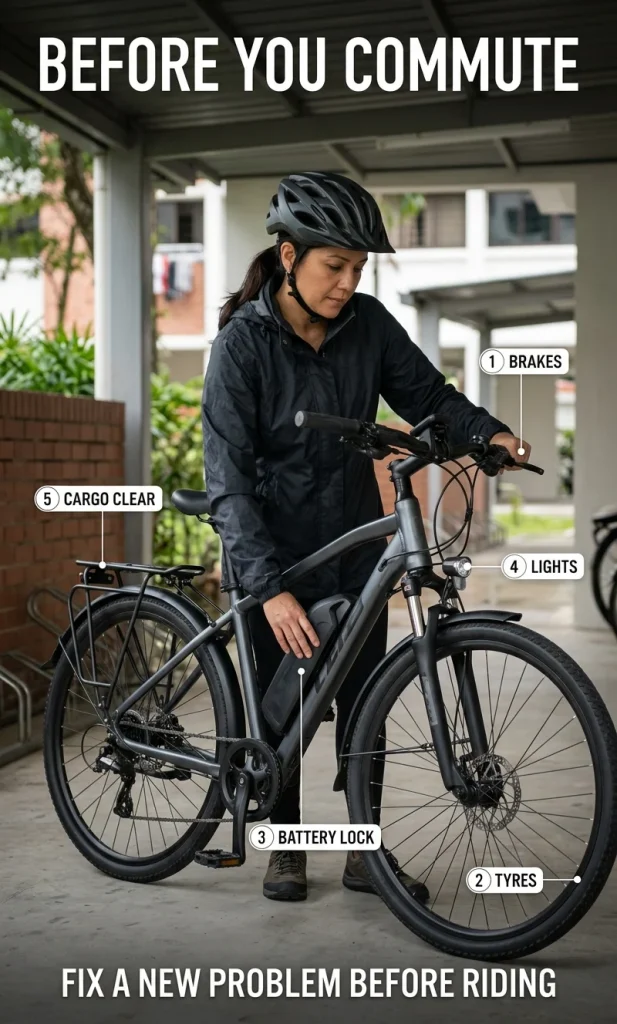
Other accessories designed to improve safety and convenience while cycling include helmets, lights, racks, fenders and locks. Available in various styles and materials these can help to safeguard the bike against damage, theft or tampering.
Environmental Benefits of Using E-Bikes
E-bikes not only save you money, but they’re also great for the environment as they produce no emissions that contribute to climate change.
Another positive environmental benefit is their use of recyclable batteries that help decrease waste disposed in landfills.
Reduction in Greenhouse Gas Emissions
E-bikes can be an excellent way to reduce greenhouse gas emissions, and are a more sustainable form of transport than cars. Not only are they less emitting but their operation also costs much less money.
E-bikes differ from regular bicycles in that they feature an electric motor which engages when pedaling, similar to how motorbikes or scooters do. Some e-bikes feature pedal assist systems while others operate using power on demand alone.
According to a new study, bicycle trips offer significant potential to cut carbon emissions. If 15% of urban transportation miles were instead made using electric bikes instead of cars, carbon emissions would decrease by an impressive 12 percent.
Climate change and air pollution pose some of the greatest threats to our planet. According to the United Nations, it’s essential that emissions from vehicles be limited wherever possible – using bicycles is one effective means of doing just that.
E-bikes provide more than environmental advantages; they’re also an effective way to stay healthy and in shape. By riding long distances on these bicycles, riders can burn calories while simultaneously losing weight.
E-bikes provide an added advantage of no fuel shortage concerns – perfect for commuters living far outside city center areas or people looking for alternative transport methods.
E-bike batteries can pose some environmental concerns. People have raised fears that leaching occurs into the soil, so finding ways to recycle this battery rather than sending it directly into landfills should be explored as soon as possible.
E-bikes have many advantages over conventional bicycles, including being more energy efficient. This enables riders to cover more ground without exerting too much strain on the environment while also being used for various activities.
Studies conducted in Portland showed that using an average e-bike to replace every utilitarian PMT (which covers less than five miles), would cut carbon emissions by an impressive 225 kg annually – this indicates how e-bikes could help combat climate change and related environmental concerns even in smaller cities like Portland.
CO2 Savings Per Year
E-bikes are an energy efficient form of transport, using less electricity than cars or buses. Switching from using cars to using e-bikes could significantly lower carbon emissions overall.
E-bikes provide an efficient means of both exercise and transportation, helping combat stress while improving mental wellbeing.
New research indicates that switching all U.S. residents to electric bikes could save nearly 542 million pounds of CO2 each year – enough to power nearly 500 million smart phones!
This study revealed that swapping short car trips for e-bike rides would significantly decrease traffic congestion and pollution in urban areas, and has the power to transform communities throughout the U.S.
Decarbonizing transportation can be challenging due to various reasons, including our reliance on fossil fuels and lifestyle preferences that dictate people drive cars. But there are simple strategies available to people for making changes in this industry.
One simple and cost-effective strategy to switch from driving your car to riding an e-bike is registering it with a bike share program and taking advantage of discounts or incentives available exclusively to owners of such bikes.
Utilizing your e-bike as part of your daily commute is another effective way to both save money and reduce carbon emissions, and be more active while having fun socially! Not only does riding an e-bike offer physical health benefits and fun social interactions.
Young people especially benefit from using electric bikes to get to school and work, staying active throughout their day while staying away from obesity and heart disease risks.
Assuming every American used their e-bikes as short commuter trips between work and home, we could save up to 24.4 million tons of CO2 annually, or the emissions released by nearly five million cars annually!
Less Traffic Congestion in Cities
E-bikes provide an effective alternative to cars, as they reduce gas consumption, pollution and traffic congestion in cities.
E-Bikes offer an ideal means of transportation when it comes to commuting to work or running errands, as well as being used for longer distance travel, such as traversing city streets without getting caught in traffic jams.
Regulated e-bikes have the power to significantly decrease traffic congestion on roads. Belgian researchers discovered that if 10% of car trips were replaced with two-wheeled bikes instead, traffic congestion would decrease by 40%.
Note, however, that congestion can be caused by several factors, including vehicle congestion on roads, traffic speeds and wait times.
Attributes such as traffic flow characteristics and infrastructure improvements can often be adjusted by controlling them effectively. By gathering data on traffic conditions in and around a particular area, data can help identify areas with high demand or potential congestion and be addressed accordingly by building new roads, improving existing ones or shifting away from cars in favor of other forms of transport such as buses and carpooling.
One way V2I technology can assist drivers is through real-time weather and road condition updates that provide drivers with real-time information that may cause congestion on specific roads or expressways. Drivers may receive alerts with this data so that they may reroute or slow down their travels as necessary to bypass potential issues.
Another approach to reduce congestion is charging a fee for roadway use, which has proven successful in certain places that have implemented it. While some might view this as controversial, its basis lies in the reality that driving is free; thus there can only ever be limited amount of vehicles on any given road at one time.
Major metropolitan areas often boast high population densities and diverse needs and desires that create increased road space demands during peak hours, necessitating governments to deal with congestion issues which inevitably create traffic problems.
Positive Effects in Future
Utilizing an electric bike has many environmental advantages. They tend to have lower maintenance costs and greater energy efficiency compared to regular bicycles or cars, thus decreasing carbon dioxide emissions which contribute significantly to global warming.
People in many cities around the globe are turning to alternative modes of transport such as e-bikes, public transportation, walking and bicycling as ways to lower their carbon footprints. Furthermore, government agencies are encouraging this shift with tax breaks and subsidies for these forms of transport.
E-bikes have also been widely lauded as tools to improve air quality in urban areas, according to studies conducted by the University of Queensland that demonstrated their use reduced fine particulate matter and boosted physical activity levels among riders.
Use of e-bikes has also proven beneficial for decreasing traffic congestion in cities, which in turn helps mitigate air pollution and promote public health benefits – this being especially apparent in dense urban environments.
As global populations expand, finding sustainable means of transport has become ever more essential. Countries are developing infrastructures to promote e-bike use as an efficient solution to reduce pollution and improve air quality.
Even though e-bikes have been around since 1991, their popularity has skyrocketed over time. According to experts, there are currently an estimated 350 million e-bikes worldwide in use today.
Though increasingly popular, not everyone believes that electric scooters are an appropriate mobility solution. Reasons include safety concerns and environmental factors like battery production/disposal.
Some have even proposed that electric bikes could become the future of urban cycling and help decrease global pollution levels, as well as alleviate city congestion. Furthermore, they’re easy to operate and require much less maintenance than conventional vehicles.
Recent research from the University of Queensland discovered that using high-end e-bikes led to more exercise and greater social interactions within communities. Based on these results, researchers recommended local governments adopt trials or fleets of these eco-friendly bikes as a sustainable mode of transport.
Common Misconceptions About E-Bikes
Given all the confusion surrounding e-bikes, it should come as no surprise that some individuals still harbor certain myths regarding them. To ensure you make an informed decision when purchasing your next e-bike.
Limit Range Anxiety: E-bikes may not replace cars or public transportation entirely, but they provide an excellent way to navigate town. By doing this you may save both time and money while decreasing your carbon footprint.
Weight Disadvantages: Many people believe e-bikes to be heavy. This isn’t always true though – there are many commuter e-bike models on the market that are extremely lightweight and easy to transport.
Speed Myth:
For beginners to the world of electric bikes, fear that they might go too fast is often their top concern. People fear going too quickly could lead to injuries either to themselves or others.
No need to be anxious; your e-bike’s motor allows you to adjust its boost level so that you can ride at a level that works for you.
E-bikes are easy to service and maintain, making them a green option for both your customers and community. Their eco-friendliness means that fewer of them end up in landfills or junkyards where rust and corrosion from other vehicles could leach into soil and water sources.
No Matter How Popular E-Bikes May Be
Even with their increased popularity, many still harbor misperceptions about this type of bike. We have put together this guide to dispel some of the more frequently held misconceptions and highlight ways they compare favourably to traditional non-electric cycles.
How E-Bikes Compare to Traditional Bikes
E-bikes may weigh slightly more than traditional bicycles due to the extra weight of their electric motor; this doesn’t account for daily load considerations such as panniers full of gear. When it comes to portability, though, e-bikes offer far greater convenience – their fold-up design making it much more portable than most forms of transportation.
How Electric Bikes Are Reliable
Electric bikes can be extremely reliable, lasting long periods of time with proper care and maintenance of both bike and battery. This is particularly true if both components are connected correctly.
How They Are Safe E-bikes are generally very safe to ride, and the best way to ensure your own safety while riding one is to always wear a helmet. Many e-bikes also include features which allow users to control the motor based on how hard you pedal, further increasing safety.
How E-Bikes Are Affordable
E-bikes offer an extremely cost-effective solution for exercising while cutting vehicle expenses such as gasoline. Not only that, they’re an eco-friendly solution that reduces our carbon footprint – making e-bikes the ideal way to go green. More people riding them means less dependence on gas-powered cars for transportation purposes!
Final Thoughts on Understanding Electric Bikes (E-Bikes) for Everyday Commuters
In summary, e-bikes offer numerous advantages as a practical choice for those who want an enjoyable means of transportation while maintaining personal fitness objectives, cost savings from ownership versatility, social equity improvements, and positive contributions to the environment through reduction in reliance on single occupant vehicles during peak traffic periods. Exploration of purchasing possibilities should be conducted in both local stores and online channels to find the perfect option tailored to individual needs. The prospects for continuing progress in technology suggest that the potential growth of e-bikes is far from complete. Keep an eye out for future developments!