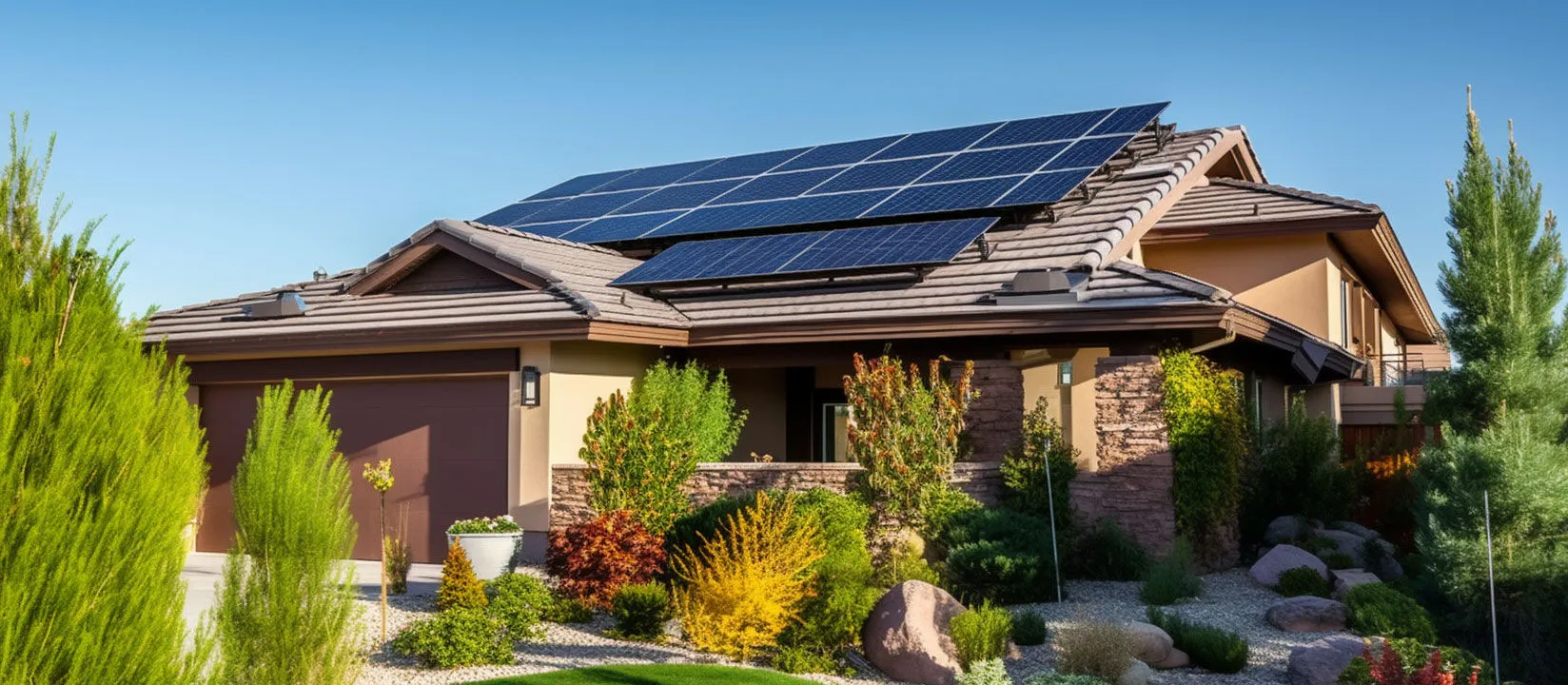

Introduction to Solar Panels and Mortgages
Are you considering adding solar panels to your home or maybe you’re interested in purchasing a property with an existing solar panel system? Either way, you might be curious about how solar panels could affect your mortgage application. In this article, we’ll explore the positive and negative impacts of solar panels on acquiring a mortgage, lender considerations, government programs, and tips for a smooth mortgage process.
The Positive Impact of Solar Panels on Mortgage Approval
Increased Property Value
Solar panels can increase the value of your property by reducing energy costs and improving its overall efficiency. A study by the Lawrence Berkeley National Laboratory found that homes with solar panels sold for an average of $15,000 more than comparable homes without them. This added value can make your property more attractive to mortgage lenders.
Lower Utility Bills
With solar panels, you can expect to save on your monthly electricity bills. These savings can be factored into your debt-to-income ratio, a key factor in mortgage approval. A lower debt-to-income ratio can improve your chances of securing a mortgage with favorable terms.
The Negative Impact of Solar Panels on Mortgage Approval
Leasing vs. Owning Solar Panels
If you lease your solar panels, it could negatively impact your mortgage application. Leasing solar panels is considered a liability, as you’re obligated to make monthly payments for the term of the lease. Mortgage lenders may view this as an additional debt, which could affect your debt-to-income ratio and potentially lower your borrowing capacity.
Solar Panel Financing Options and Mortgage Eligibility
Some solar panel financing options, such as Power Purchase Agreements (PPAs) and solar loans, could also impact your mortgage eligibility. These financing options may be considered additional debts by mortgage lenders and could affect your overall borrowing capacity.
Mortgage Lender Considerations for Solar Panels
Property Assessments and Solar Panels
When evaluating your mortgage application, lenders will often consider the overall condition of your property. Solar panels can have an impact on property assessments. It’s important to ensure that your solar panel system is professionally installed and well-maintained to increase the likelihood of a positive assessment.
Solar Panel Warranties and Insurance
Lenders may also look at the warranties and insurance coverage for your solar panel system. A comprehensive warranty and adequate insurance coverage can provide peace of mind to the lender, increasing your chances of mortgage approval.
Government Programs and Incentives for Solar Energy
Federal Tax Credit
The federal government offers a tax credit for solar panel installations, known as the Investment Tax Credit (ITC). This credit allows homeowners to deduct a portion of the cost of installing solar panels from their federal income taxes. This incentive can help you save on upfront costs and make solar panels more financially accessible, which may positively influence your mortgage application.
State and Local Programs
Many states and local governments also offer incentives for solar energy, such as rebates, grants, and tax exemptions. These programs can help reduce the overall cost of solar panel installation, making it more affordable for homeowners. By taking advantage of these incentives, you may improve your financial position and increase your chances of securing a mortgage.
Tips for Acquiring a Mortgage with Solar Panels
Choose the Right Financing Option
When it comes to financing your solar panels, carefully consider the various options available to you. Owning your solar panels outright or using a solar loan may be more favorable for your mortgage application than leasing them or entering into a PPA. Do your research and work with a solar professional to select the best financing option for your situation.
Work with a Knowledgeable Mortgage Lender
Not all mortgage lenders are familiar with solar panels and their impact on mortgage applications. It’s essential to work with a lender who has experience with solar energy and can help guide you through the process. They can also help you navigate any potential obstacles related to solar panels and ensure a smooth mortgage approval process.
Solar Panel Maintenance and Mortgage Applications
Regular Solar Panel Maintenance
Proper solar panel maintenance is essential for maximizing their efficiency and lifespan. Mortgage lenders may consider the condition of your solar panel system when evaluating your mortgage application. Regular maintenance tasks include cleaning the panels, checking for damage, and ensuring that your system is running efficiently.
Working with Solar Professionals
It’s important to work with a professional solar company for installation and maintenance to ensure your solar panel system is in top condition. A well-maintained solar panel system can positively influence your mortgage application, as lenders may view the panels as a valuable asset to the property.
Solar Panels and Homeowners Associations (HOAs)
HOA Rules and Solar Panels
If your property is part of a Homeowners Association (HOA), it’s crucial to review the rules and regulations regarding solar panel installations. Some HOAs may have specific guidelines or restrictions on solar panels, which could impact your ability to install them or affect the value of your property.
Communication with Your HOA
Before installing solar panels, communicate with your HOA to ensure that you comply with their rules and guidelines. Keeping your HOA informed can help prevent potential conflicts and maintain a positive relationship, which can be beneficial when applying for a mortgage.
The Future of Solar Panels and Mortgages
As solar panels become more popular and their benefits become more widely recognized, it’s likely that more mortgage lenders will become familiar with solar energy and its impact on mortgage applications. This increased familiarity may lead to more streamlined mortgage processes for homeowners with solar panels, making it easier to secure a mortgage with favorable terms.
By staying informed about solar panel technology, financing options, and mortgage industry trends, you can better position yourself for success when applying for a mortgage. As the solar industry continues to grow, it’s essential to stay up-to-date on the latest developments and be prepared to adapt as needed.
Additional Resources
If you’re considering solar panels for your home or are in the process of acquiring a mortgage, it’s essential to educate yourself on the various aspects of solar energy and mortgage applications. Here are some resources to help you on your journey:
- The Database of State Incentives for Renewables & Efficiency (DSIRE) – A comprehensive source of information on state, local, utility, and federal incentives for renewable energy and energy efficiency.
- EnergySage – An online marketplace that helps homeowners compare solar panel installation quotes from pre-screened solar installers.
- U.S. Department of Energy – Offers information on solar energy technologies, incentives, and financing options.
- Mortgage Bankers Association – Provides resources and information on the mortgage industry, including updates on trends and regulations.
Solar Panels and Home Inspections
Home Inspections and Solar Panels
When applying for a mortgage, a home inspection is often required to assess the condition of the property. If your home has solar panels, the home inspector may evaluate the solar system as part of the overall inspection. Ensuring that your solar panels are in good condition and professionally installed can help create a positive impression during the inspection.
Preparing for a Home Inspection with Solar Panels
To prepare for a home inspection, ensure that your solar panel system is clean, well-maintained, and free of any visible damage. It’s also a good idea to gather documentation related to the solar panels, such as installation permits, warranties, and maintenance records. Having this information readily available can help address any questions or concerns that may arise during the inspection.
Solar Panels and Home Insurance
Home Insurance and Solar Panels
Home insurance is another important consideration when acquiring a mortgage, as lenders typically require proof of insurance coverage before approving a loan. Solar panels can affect your home insurance policy, as they represent an additional asset that needs coverage. Some insurance providers may offer specialized policies or endorsements for solar panels, while others may simply include the panels in your standard coverage.
Shopping for Home Insurance with Solar Panels
When shopping for home insurance, it’s essential to disclose your solar panel system and provide details on the installation, maintenance, and warranties. This information can help insurance providers offer appropriate coverage for your solar panels. Working with an insurance agent who is familiar with solar energy can help you find the best policy for your needs.
The Environmental Impact of Solar Panels
Solar Panels and Sustainability
Solar panels are an eco-friendly and sustainable energy source that can reduce your home’s carbon footprint. By investing in solar panels, you’re not only potentially improving your mortgage eligibility but also contributing to a greener future. Solar energy can help reduce dependence on fossil fuels and decrease greenhouse gas emissions, benefiting both the environment and your community.
Solar Panels and Energy Independence
Solar panels can provide homeowners with greater energy independence, as they allow you to generate your electricity. This independence can help insulate you from fluctuations in energy prices and reduce your reliance on the grid. In the long run, this energy independence can be financially beneficial and contribute to a more sustainable future.
Conclusion
The impact of solar panels on acquiring a mortgage can be both positive and negative, depending on various factors such as financing options, property assessments, and lender familiarity with solar energy. By understanding these factors and working with experienced professionals, you can maximize the benefits of your solar panel system and navigate the mortgage application process more smoothly. Keep in mind the importance of government incentives, home inspections, insurance considerations, and the environmental impact of solar panels when making your decision.
Frequently Asked Questions
Do solar panels always increase property value?
While solar panels can increase property value, the exact amount can vary depending on factors such as the size of the system, local electricity rates, and the age of the panels. A professional appraisal can help determine the impact of solar panels on your property value.
Can I still qualify for a mortgage if I lease my solar panels?
Yes, you can still qualify for a mortgage if you lease your solar panels. However, the lease may be considered a liability, and your borrowing capacity could be affected. It’s important to work with a lender experienced in handling solar panel leases.
What happens to my solar panels if I sell my home?
If you own your solar panels outright, they can be included in the sale of your home. If you lease the panels or have a PPA, you may need to transfer the agreement to the new homeowner or buy out the remaining balance.
Do all mortgage lenders consider solar panels when evaluating a mortgage application?
Not all lenders are familiar with solar panels, so it’s essential to work with a lender who understands the impact of solar energy on mortgage applications. Experienced lenders can help you navigate potential obstacles related to solar panels.
Can I refinance my mortgage if I have solar panels?
Yes, you can refinance your mortgage if you have solar panels. However, the panels’ financing, warranties, and insurance coverage may be considered during the refinancing process. Working with a knowledgeable lender can help ensure a smooth refinancing experience.









/GettyImages-1145828900-57f4abfc7bb343379e15f4c3fc2fce5f.jpg)