
From unlocking personalized therapy to transforming ASD support technologies, the intersection of Autism and Synthetic Intelligence is poised to revolutionize healthcare.
As we embark on our journey of exploring the fusion of Autism Spectrum Disorder (ASD) and Synthetic Intelligence (SI), let’s envision a world where the unique challenges presented by ASD are navigated with ease, where every child and adult on the spectrum has access to personalized, effective therapies, powered by advanced AI technologies.
I. The Worlds of Autism Spectrum Disorder (ASD) and Synthetic Intelligence
Autism Spectrum Disorder (ASD): A Symphony of Individuals
ASD, as its name suggests, is a broad spectrum of conditions characterized by unique social interaction and communication challenges, along with repetitive behaviors. It’s not a single note but a melody of numerous instruments, each with its distinct tune.
- ASD affects about 1 in every 54 children as per the Centers for Disease Control and Prevention (CDC) 2020 report. This highlights the breadth of the spectrum we are addressing.
“Autism is not a disability, it’s a different ability.” – Stuart Duncan, autism advocate and founder of Autcraft, a Minecraft server for children with autism and their families.
Synthetic Intelligence: An Enabler in ASD Support
Envision Synthetic Intelligence not as a potential threat to our existence, as sci-fi may have you believe, but as a humble aide, contributing to humanity’s progress. Whether it’s as simple as your smartphone’s voice assistant or as complex as predicting climate change, SI is woven into our daily lives.
- SI is projected to add $15.7 trillion to the global economy by 2030, as per a report by PWC.
“The pace of progress in artificial intelligence (I’m not referring to narrow AI) is incredibly fast. […] Unless you have direct exposure to groups like Deepmind, you have no idea how fast — it is growing at a pace close to exponential.” – Elon Musk, CEO of SpaceX and Tesla.
Let’s walk down a visual path to exemplify how SI works, using a simple illustration. Consider a bustling city street, filled with pedestrians, cyclists, and cars. To a human observer, processing all this information and making sense of it would take considerable time and cognitive effort.
Now, imagine a self-driving car equipped with Synthetic Intelligence. It quickly absorbs the scene, identifying pedestrians, other vehicles, traffic lights, and potential obstacles. It can predict the likely movements of each component, adjust its course, and maintain an optimal speed, all in a fraction of the time a human driver might take.
This efficient data processing, decision-making, and adaptability exemplify the potential of SI in managing the complexities of ASD. With vast and diverse data about ASD, SI has the potential to revolutionize diagnosis, treatment, and ongoing support. As we delve deeper, we’ll see how the symphony of ASD and SI begins to play a harmonious tune.
II. Understanding Autism Spectrum Disorder (ASD) – The Music of the Symphony
Key Characteristics of ASD: The Melody’s Notes
ASD’s complexities make it more than a monotonous tune. Rather, it’s a symphony with diverse notes and rhythms. Some of the key characteristics of ASD include:
- Social Interaction Challenges: Individuals with ASD might have difficulty understanding other people’s feelings or talking about their own feelings.
- Communication Difficulties: Many children with ASD struggle to communicate effectively, which can manifest as delayed speech or non-verbal communication.
- Repetitive Behaviors: These can take various forms, from repeating words or phrases (echolalia) to exhibiting obsessive interests.
“If you’ve met one person with autism, you’ve met one person with autism.” – Dr. Stephen Shore, Professor of Special Education at Adelphi University and Autism self-advocate. This quote emphasizes the individual variability within the ASD spectrum, reminding us that ASD manifests differently in every individual, like the different notes in a symphony.
Prevalence and Impacts of ASD: Filling the Symphony Hall
Just like a symphony hall filled to capacity, the prevalence of ASD globally is significant. According to the World Health Organization, 1 in 160 children has ASD, underlining the urgency of intensive research and effective interventions in this field.
“Autism is part of my child. It’s not everything he is. My child is so much more than a diagnosis.” – S.L. Coelho, Author, emphasizing the prevalence and human aspect of ASD.
Current Strategies and Technologies in ASD: Tuning the Instruments
ASD diagnosis and treatment techniques have evolved significantly over time. From Applied Behavior Analysis (ABA) to Speech and Occupational Therapies, we now have a range of strategies to support individuals with ASD.
However, just as each instrument in a symphony requires a unique touch, therapies for ASD individuals need to be personalized. Despite advancements, the effectiveness of treatments can greatly vary. A 2019 study revealed that personalized treatment approaches, which consider the unique symptoms and needs of the individual, showed more promising results.
“Each child with autism is unique. There is no one-size-fits-all approach to autism treatment. We need to move away from autism treatments that are standardized and, instead, focus on personalized treatment plans.” – Dr. Paul Wang, Head of Medical Research at Autism Speaks.
Here’s where Synthetic Intelligence enters our symphony, ready to play the role of the masterful conductor. SI’s ability to analyze vast amounts of data can potentially enable us to identify patterns and individual characteristics of ASD more effectively, leading to personalized and efficient treatments.
III. Synthetic Intelligence: The Conductor of Our Symphony
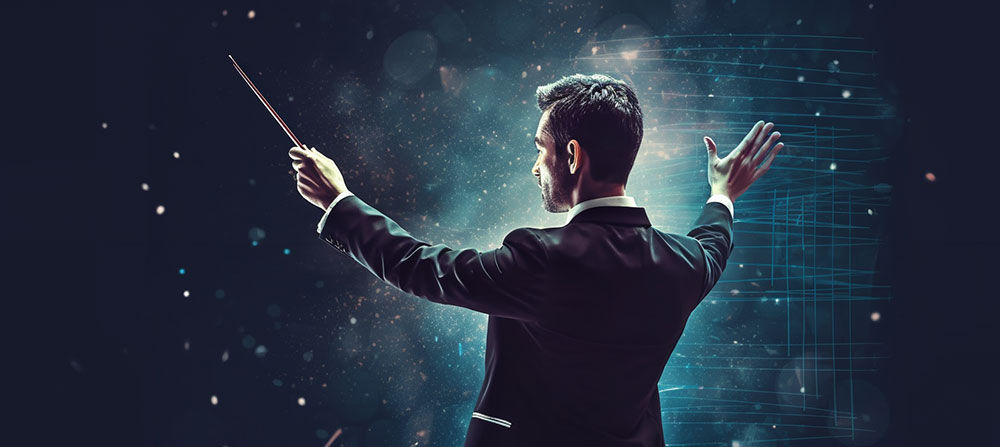
Much like a conductor who understands each instrument’s unique features and brings them together to create harmony, Synthetic Intelligence (SI) possesses the ability to comprehend, learn from, and utilize vast data efficiently. Let’s break down this conductor’s role:
- Learning and Adapting: SI uses machine learning algorithms to learn from data, similar to how a conductor might study different musical pieces. This ability to learn and adapt is central to SI’s potential in managing ASD.
- Pattern Recognition: SI can identify patterns and make predictions based on vast datasets. In our symphony, this equates to a conductor predicting how the melody will unfold based on the musical notes’ patterns.
- Decision Making: SI can make informed decisions based on the data it’s trained on. This is akin to a conductor deciding when to soften the melody or when to bring it to a crescendo.
Consider the below table to understand how SI might revolutionize the different stages of ASD management:
| Stage of ASD Management | Current Approach | Potential Improvements with SI |
|---|---|---|
| Diagnosis | Based on behavioral assessment and medical examinations | AI algorithms can analyze vast datasets, including genetic, environmental, and behavioral data, potentially identifying ASD patterns earlier and more accurately |
| Personalized Treatment | Predominantly manual development of treatment plans by therapists | AI can analyze individual behavior patterns, responses to different therapies, and predict what interventions might be most effective |
| Monitoring Progress | Regular therapist evaluations | Continuous monitoring through AI-enabled devices and software can provide real-time feedback and adaptive treatment adjustments |
“Artificial Intelligence is the new electricity. It has the potential to transform every industry and create huge economic value.” – Andrew Ng, Co-founder of Coursera, Stanford Professor, and AI researcher.
The true beauty of our symphony lies in the harmonious collaboration between Autism Spectrum Disorder and Synthetic Intelligence. In the coming sections, we will delve deeper into how this harmony can play out, potentially transforming the lives of individuals with ASD.
The Symphony of Synthetic Intelligence
As the conductor steps onto the stage, the audience quiets down. Much like this anticipation, the rise of Synthetic Intelligence brought about a profound shift in many fields, including healthcare. As we trace the arc of its development, it becomes evident that SI has moved from basic rule-based systems to sophisticated models capable of learning and adapting.
Synthetic Intelligence’s Impact and Future Developments: Orchestrating A Harmonious Future
Like a skillful conductor who continues to learn, adapt, and create better symphonies over time, Synthetic Intelligence, too, evolves incessantly. It’s set to shape a promising future for Autism Spectrum Disorder management. Let’s explore this exciting prospect:
1. Early and Accurate Diagnosis:
Imagine a future where we can diagnose ASD in infancy, where early interventions can significantly improve the child’s development. Machine learning algorithms could identify the early signs from a complex mix of genetic, environmental, and behavioral data. It’s like our conductor, SI, catching the first, delicate notes of our ASD symphony even before they fully form.
“Early diagnosis will allow for early intervention, which can significantly improve the life quality of an individual with ASD.” – Dr. Catherine Lord, Director, Center for Autism and the Developing Brain.
2. Revolutionizing Therapies:
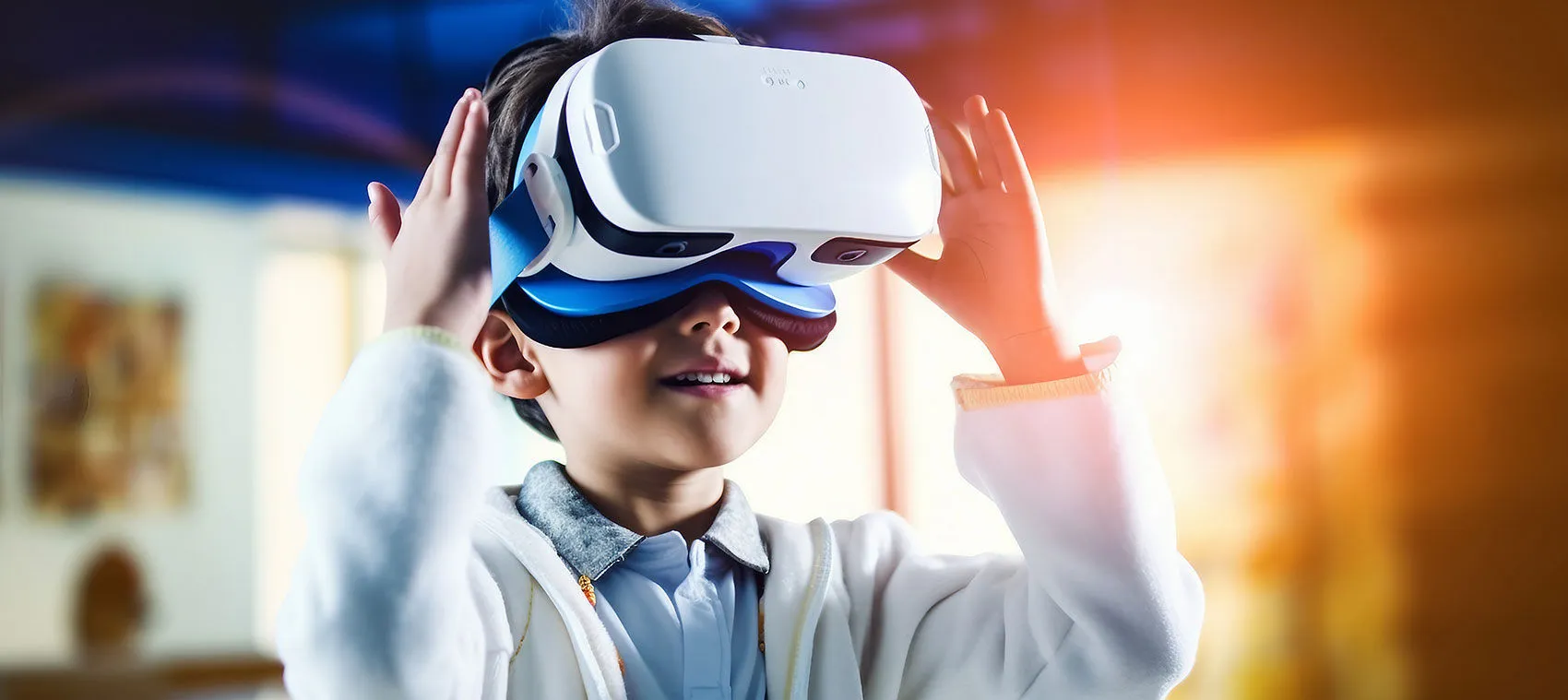
In the future, SI could offer personalized therapy programs that adapt in real-time to the individual’s progress, optimizing outcomes. Imagine AI-powered robots assisting in therapy sessions or virtual reality platforms providing immersive social interaction training. It’s akin to our conductor adjusting the symphony’s tempo and rhythm based on the audience’s response.
“Incorporating AI into therapeutic tools could revolutionize autism therapy, making it more effective and accessible.” – Dr. Pamela Feliciano, Scientific Director, SPARK for Autism.
3. Promoting Inclusion and Independence:
By developing assistive technologies that help individuals with ASD communicate, learn, and perform daily tasks independently, SI can significantly improve their quality of life. It’s like the conductor enabling each instrument to shine in its unique way in the symphony.
“Artificial intelligence will help us bridge the communication gap for individuals with autism.” – Dr. Ned Sahin, Founder and CEO, Brain Power.
4. Addressing the Adult Autism Gap:
Currently, there is a significant lack of resources for adults with ASD. In the future, SI could help develop support systems tailored to adults, helping them with job placements, independent living, and mental health management. It’s akin to our conductor ensuring that the symphony plays on beautifully, even as the instruments change over time.
“The field of adult autism is where children’s autism was 20 years ago. AI can help accelerate the development of resources and solutions for this overlooked group.” – Dr. Julie Lounds Taylor, Associate Professor of Pediatrics and Special Education, Vanderbilt University.
The conductor, Synthetic Intelligence, is just beginning to orchestrate this symphony with Autism Spectrum Disorder. As the harmony unfolds, it could transform millions of lives, playing a melody of inclusion, understanding, and hope in the world. Let’s stay tuned for this fascinating performance, embracing the promising changes it brings along.
IV. The Intersection of Autism and Synthetic Intelligence: The Symphony Begins
The blend of Synthetic Intelligence with ASD diagnosis and treatment is like the symphony’s first movement, where the conductor cues in the instruments, bringing harmony and rhythm to the performance.
A. Synthetic Intelligence in ASD Diagnosis and Treatment
The application of Synthetic Intelligence (SI) in the diagnosis and treatment of ASD offers immense promise. Machine learning and Natural Language Processing (NLP) are just two areas where SI is hitting all the right notes.
1. Machine Learning in ASD Diagnosis:
Machine Learning (ML), a subset of SI, assists in analyzing large datasets to identify patterns that might elude the human eye. Applied to ASD, ML can help discern patterns in behavioral data, genetic information, or even brain scans, enabling early and more accurate diagnosis.
“Machine learning can uncover hidden patterns in the data which could provide clues about the causes of autism.” – Dr. Dennis Wall, Associate Professor, Stanford University School of Medicine source
2. Natural Language Processing in ASD:
Natural Language Processing (NLP) plays a pivotal role in assessing speech and language in ASD individuals. It can analyze verbal cues, speech delays, or unusual language patterns, contributing to early detection and tailored therapy programs.
“NLP is a key tool in assessing the unique language characteristics of children with ASD.” – Dr. Emily Mower Provost, Associate Professor, University of Michigan source
3. Personalized Therapy for Autism:
Advanced AI algorithms create personalized learning and therapy programs, adapting to the individual’s unique needs and progress. From AI-assisted learning modules to AI-powered robotic therapists, the transformative power of SI is immense in special education and therapy.
“With AI, we can provide personalized learning environments that adapt in real-time, creating optimal learning conditions for children with autism.” – Dr. Matthew Goodwin, Associate Professor, Northeastern University source
B. Case Studies: The Successful Performances
Just as an orchestra shines through performances, the intersection of ASD and SI has orchestrated successful cases worldwide. Here are a few inspiring examples:
1. ASD Speech Recognition:
An application called “Speakprose” uses AI and NLP to improve non-verbal ASD individuals’ communication skills. It’s akin to providing them a new instrument to join the symphony. source
2. Virtual Reality Therapy for Autism:
A company named “Floreo” uses Virtual Reality (VR) to help children with ASD improve their social skills. Their VR lessons provide safe, repeatable, and immersive environments where ASD individuals can learn and practice vital social skills. source
As the symphony of Autism and Synthetic Intelligence unfolds, it’s exciting to see how it transforms ASD diagnosis, treatment, and overall life quality for individuals and families affected by Autism. The melody is just beginning, and the composition promises to be an enriching one.
V. The Symphony’s Crescendo: Ethical Considerations
As we revel in the symphony’s crescendo, it’s crucial to reflect on the not-so-melodious aspects. Synthetic Intelligence, like any groundbreaking technology, brings along a set of ethical concerns. Let’s shed light on these so that the harmonious relationship between Autism and Synthetic Intelligence continues to play a pleasant tune.
A. Privacy and Data Security:
The beauty of Synthetic Intelligence lies in its ability to learn from data, patterns, and behaviors. However, with great data comes great responsibility.
For instance, ML algorithms used in ASD diagnosis require vast amounts of personal data – medical histories, behavioral data, even genetic information. While this data helps SI create beautiful melodies in the form of accurate diagnoses and personalized therapies, it raises significant PRIVACY and DATA SECURITY concerns. Ensuring that this sensitive data is not misused or falls into the wrong hands is paramount.
“We must always prioritize patient privacy and data security when dealing with sensitive health data.” – Dr. Latanya Sweeney, Professor of Government and Technology in Residence, Harvard University source
B. Potential Biases in AI Algorithms:
Here’s a potential discordant note – AI algorithms are trained on available data, and if that data reflects societal biases, the AI might inadvertently perpetuate these biases. For example, if most ASD diagnosis data come from boys (since ASD is more commonly diagnosed in boys), the ML algorithms might fail to accurately diagnose ASD in girls, leading to unequal treatment.
“Artificial intelligence is only as good as the data it receives, and it can also amplify existing prejudices.” – Joy Buolamwini, Founder, Algorithmic Justice League source
C. Ensuring Equality and Access:
And the finale of the ethical considerations – EQUALITY and ACCESS. We must ensure that advancements in Synthetic Intelligence for Autism care are accessible to all individuals affected by ASD, regardless of their socioeconomic status or geographical location. The symphony of Autism and Synthetic Intelligence must be a concert everyone can attend.
“Equality and access to technology should not be a privilege but a right.” – Dr. Ruha Benjamin, Associate Professor, Princeton University source
Ethical considerations in the realm of Synthetic Intelligence and Autism are not stumbling blocks but stepping stones to ensure this innovative field evolves in a responsible, inclusive, and beneficial manner for all. As we harness Synthetic Intelligence’s transformative power in Autism care, we must stay attuned to these considerations, ensuring that the melody we’re composing is inclusive, safe, and equitable.
VI. The Final Act: Future Prospects and Research Directions
As the final notes of our symphony echo in the grand hall, we can’t help but get lost in the mesmerizing vision of the future, a future written by the beautiful harmony of Autism and Synthetic Intelligence.
Let me share with you a story that may sound like a science fiction today but, with the rapid advancements in Synthetic Intelligence, could soon become our reality.
Imagine a world where parents of a newborn child notice certain unusual behaviors – perhaps a lack of eye contact or not responding to their names. Anxious, they log onto an application on their phone that has an AI-powered ASD screening tool. The tool analyzes the uploaded videos of the child’s behavior, identifies patterns, and recommends that the parents should consult a specialist.
Now, let’s fast forward a bit. The child has been diagnosed with ASD. As part of their personalized therapy program, the child engages with an AI-powered virtual reality tool that helps them navigate social scenarios, enhancing their interaction skills in a safe, controlled environment. Their progress is continuously monitored and fed back into the system, allowing the AI to adapt and personalize the therapy further. Isn’t that beautiful?
But this harmonious vision comes with a rhythmic pattern of challenges:
- Data Accessibility: To compose this symphony, Synthetic Intelligence needs access to vast and diverse ASD-related data, which is currently a significant challenge. A future where anonymous patient data is easily shared across borders and institutions can significantly accelerate our progress.
- Technical Hurdles: Synthetic Intelligence is an evolving field, and technical obstacles are part of the process. Improving the accuracy of algorithms, ensuring their interpretability, and making them robust against manipulation are some areas requiring further research.
- Regulation and Standards: While our symphony is beautiful, it needs a rhythm to guide it. A future with clear regulations around the use of SI in healthcare, especially with sensitive populations like ASD, will ensure the symphony stays in tune and on beat.
Yet, despite these potential obstacles, the future is promising. “Research in AI has the potential to revolutionize ASD treatment,” says Dr. Yuhong Jiang, a professor of psychology at the University of Minnesota. “It can bring about personalized, effective, and accessible solutions that we’ve only dreamed of until now.”
Our symphony of Autism and Synthetic Intelligence is playing a beautiful tune, transforming lives and bringing hope. It promises a grand finale where every individual with ASD gets the support they need, contributing to the grand orchestra of life in their unique, beautiful ways. And that, dear reader, is a future worth striving for.
VII. The Encore: Conclusion
The grand symphony of Autism and Synthetic Intelligence has taken us on an epic journey, hasn’t it? We’ve witnessed the power of technology and human understanding working together to create a world where every individual is empowered to play their unique melody to the fullest. It’s been a journey filled with hope, promise, and a vision of a harmonious future.
Here’s the truth though, and you might find this surprising. This isn’t just a tale of the future, the opening chords of this symphony are already being played today. The advent of Machine Learning, AI-based Autism care, and Predictive Modeling for Autism are just the beginning notes of a much larger composition yet to come.
And while we’ve just begun this journey, the path is clear:
- Embrace Synthetic Intelligence: Let’s not shy away from this powerful tool that has the potential to transform ASD diagnosis and treatment. Instead, let’s embrace it, explore it, and see how it can play a harmonious tune with our current understanding and methods.
- Promote Collaboration: We’ve got to ensure that researchers, clinicians, engineers, and most importantly, individuals with ASD and their families, are part of this symphony. Their collaboration is the harmony we need to compose a masterpiece.
- Support Research: Research is the heart of innovation. Supporting continued research into how Synthetic Intelligence can revolutionize ASD care is crucial.
- Address Ethical Considerations: As we race forward, we must pause and ensure that privacy, data security, and equality are maintained. It’s important that the symphony is not only beautiful but also just.
- Celebrate Diversity: Finally, let’s remember that every individual with ASD is unique. They each have a distinct melody to contribute to this symphony of life. And it’s our role to ensure that their music is heard, appreciated, and nurtured.
So, dear reader, let’s march towards this beautiful future together. A future where Autism and Synthetic Intelligence don’t just intersect, but intertwine in a dance that empowers, transforms, and brings harmony to our world.
The curtain has been drawn, the stage is set, and the first act has begun. It’s time to play our parts and contribute to this grand symphony! It’s time to embrace the fusion of Autism and Synthetic Intelligence, for a future filled with hope, understanding, and above all, beautiful music.
FAQs:
How is Synthetic Intelligence transforming Autism Spectrum Disorder diagnosis and treatment?
Redefining ASD Diagnosis and Treatment with Synthetic Intelligence: Synthetic Intelligence, or SI, is a conductor orchestrating a new melody in the realm of Autism Spectrum Disorder (ASD). Imagine SI as the brilliant mind behind the scenes, analyzing data, spotting patterns, and deriving meaningful insights that could aid early ASD diagnosis. From Machine Learning algorithms to Natural Language Processing techniques, SI is turning heaps of data into actionable knowledge, shaping a new era of precision in ASD diagnosis. And it doesn’t stop there. SI is also transforming ASD treatments by providing personalized therapies based on the unique needs of each individual. It’s like tailoring a symphony to each musician’s strengths!
What are the ethical considerations in employing AI for Autism care?
The Ethical Sheet Music in AI-Aided Autism Care: Just as every melody has its notes, the integration of Synthetic Intelligence into Autism care has its ethical considerations. Privacy is the first note we need to address. After all, SI relies heavily on data – from personal information to behavioral patterns. We need to ensure that this data is protected and secure. The next important note is equality. The potential of AI-based Autism care should not be a privilege but a right for all. Lastly, we must consider potential biases in AI algorithms – ensuring that they’re designed and deployed in a way that doesn’t discriminate. These are the essential notes that form the sheet music of ethical AI integration in Autism care.
How is Synthetic Intelligence contributing to personalized therapies in Autism?
The Harmony of Synthetic Intelligence and Personalized Therapies in Autism: The beauty of a symphony lies in its harmony, and that’s what SI brings to Autism therapies – harmonious personalization. Synthetic Intelligence has the ability to adapt and learn. It studies the unique behavioral patterns, abilities, and needs of an individual with ASD and crafts personalized therapies tailored just for them. It’s like having a private tutor who understands your strengths and weaknesses and designs lessons specifically for you. From VR therapies to personalized learning programs, SI is creating a new melody in Autism care, one that resonates with the unique rhythm of each individual. This is the harmony of Synthetic Intelligence and personalized therapies in Autism.